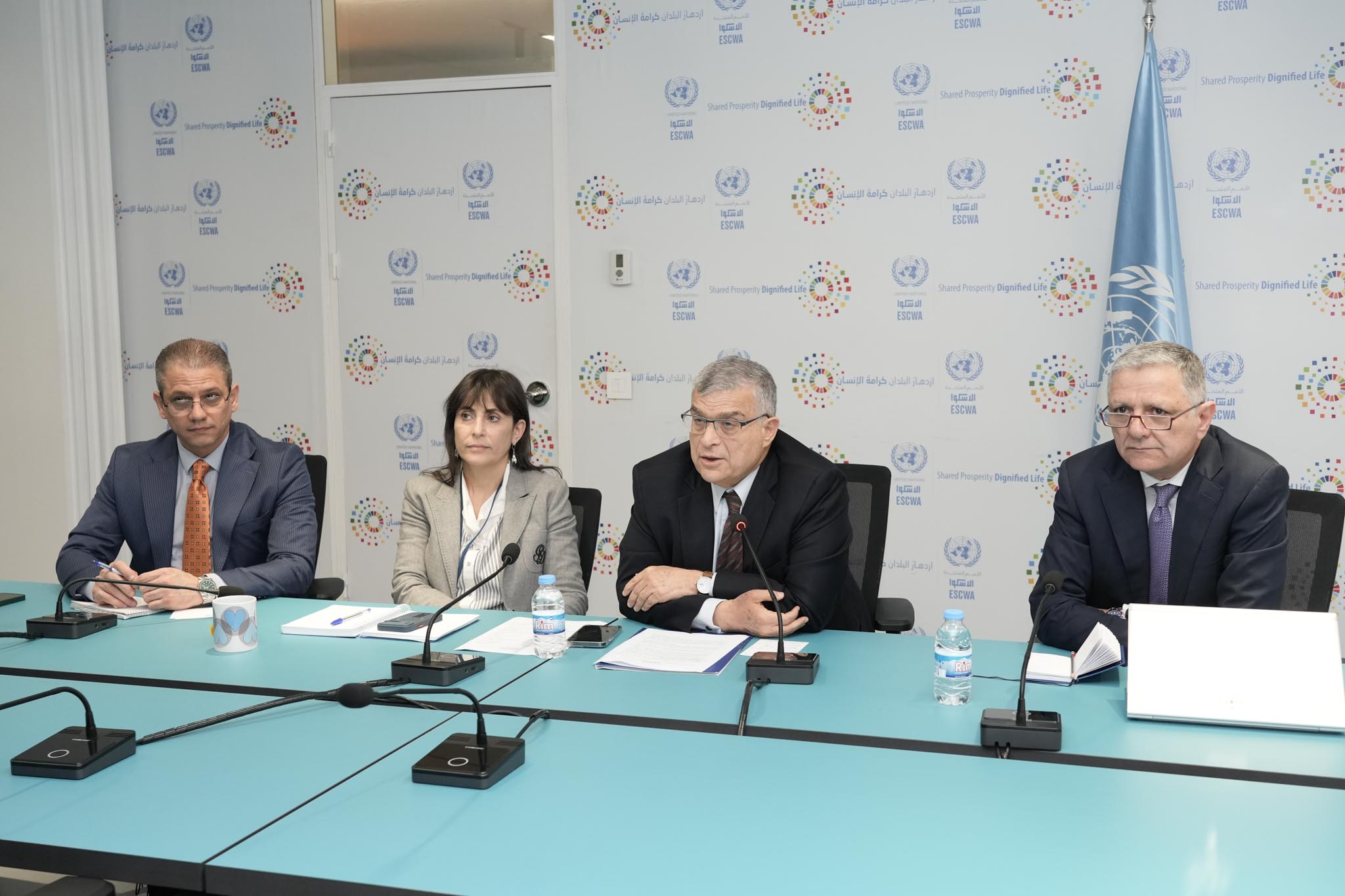
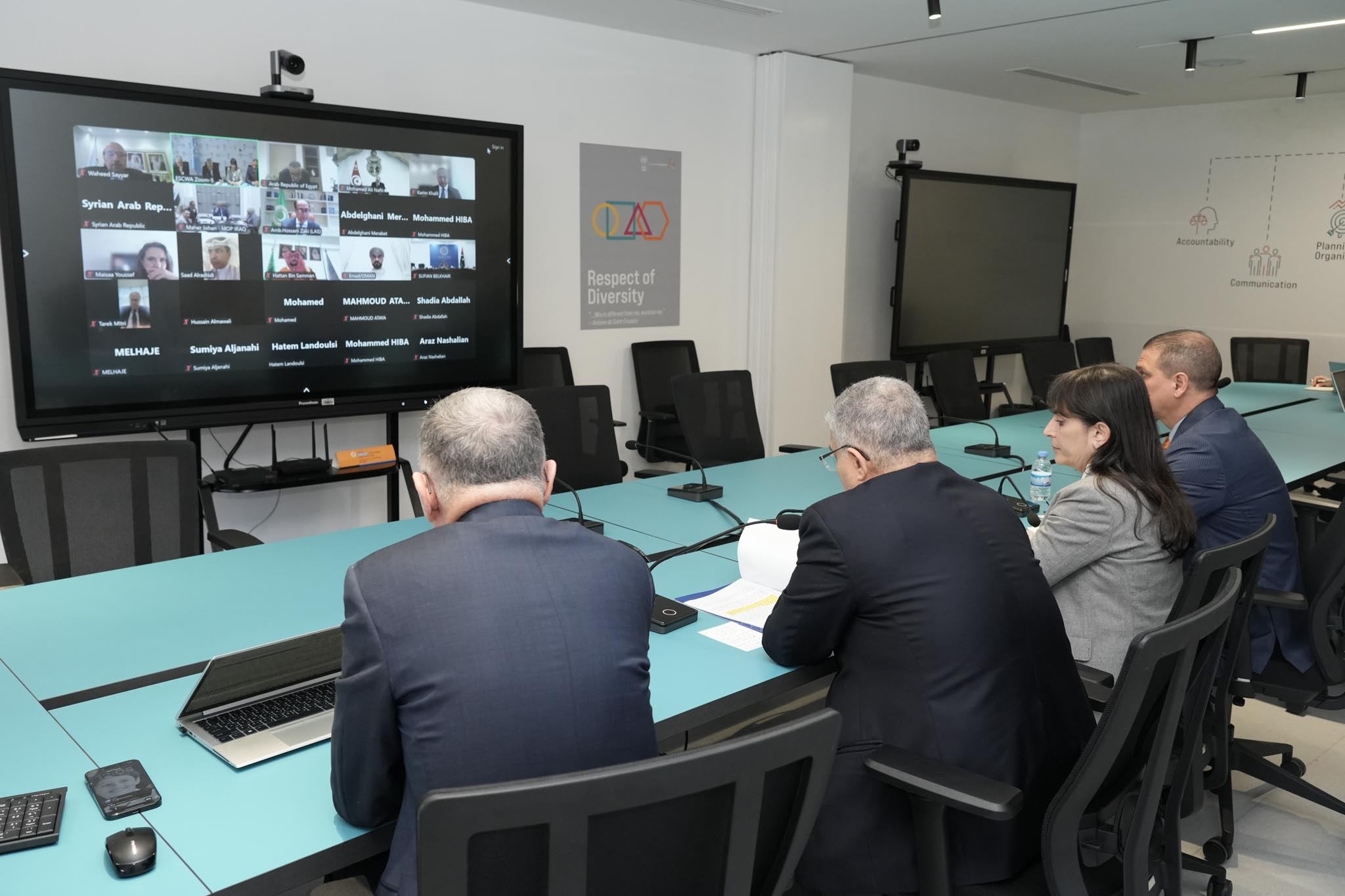
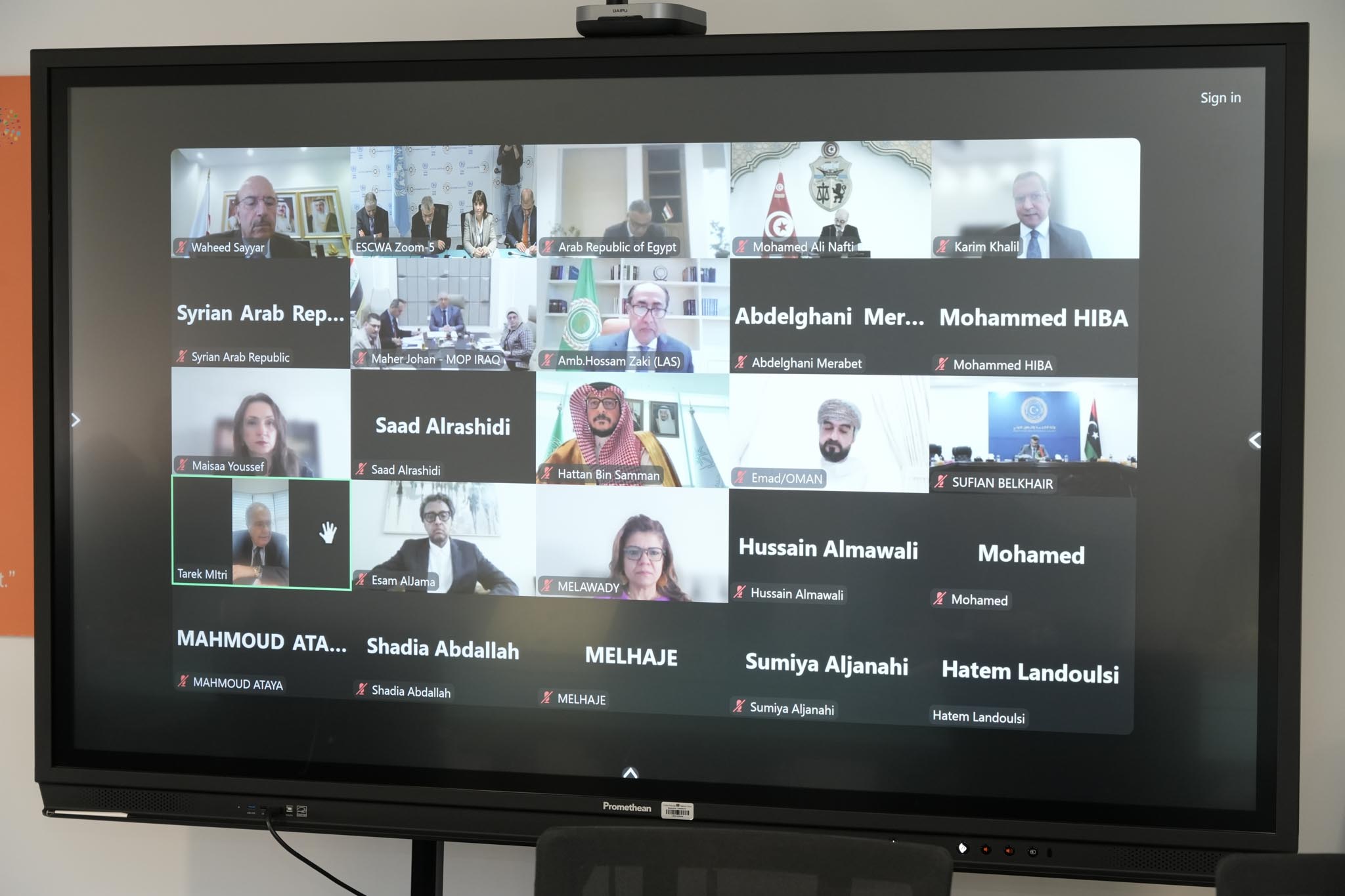
Beirut, 9 April 2026 – To provide a direct platform for dialogue among Arab States on the implications of the ongoing crisis for their development efforts, and to help define the pillars of regional action in the upcoming period, the United Nations Economic and Social Commission for Western Asia (ESCWA) convened a virtual ministerial meeting yesterday as part of a series of direct dialogues aimed at enhancing consultation and supporting Arab countries affected by the crisis.
The meeting was attended by ministers and senior officials, alongside representatives from the League of Arab States and UN agencies. Participants discussed key development implications of the crisis, including its economic and social impact on the most affected groups and sectors. They also expressed their key policy priorities and views on means to strengthen regional cooperation in support of national efforts. Discussions were guided by a set of key questions from the secretariat, including on the transmission channels of the crisis across economic and social sectors, the most vulnerable groups and systems, and the forms of regional support most beneficial to member States.
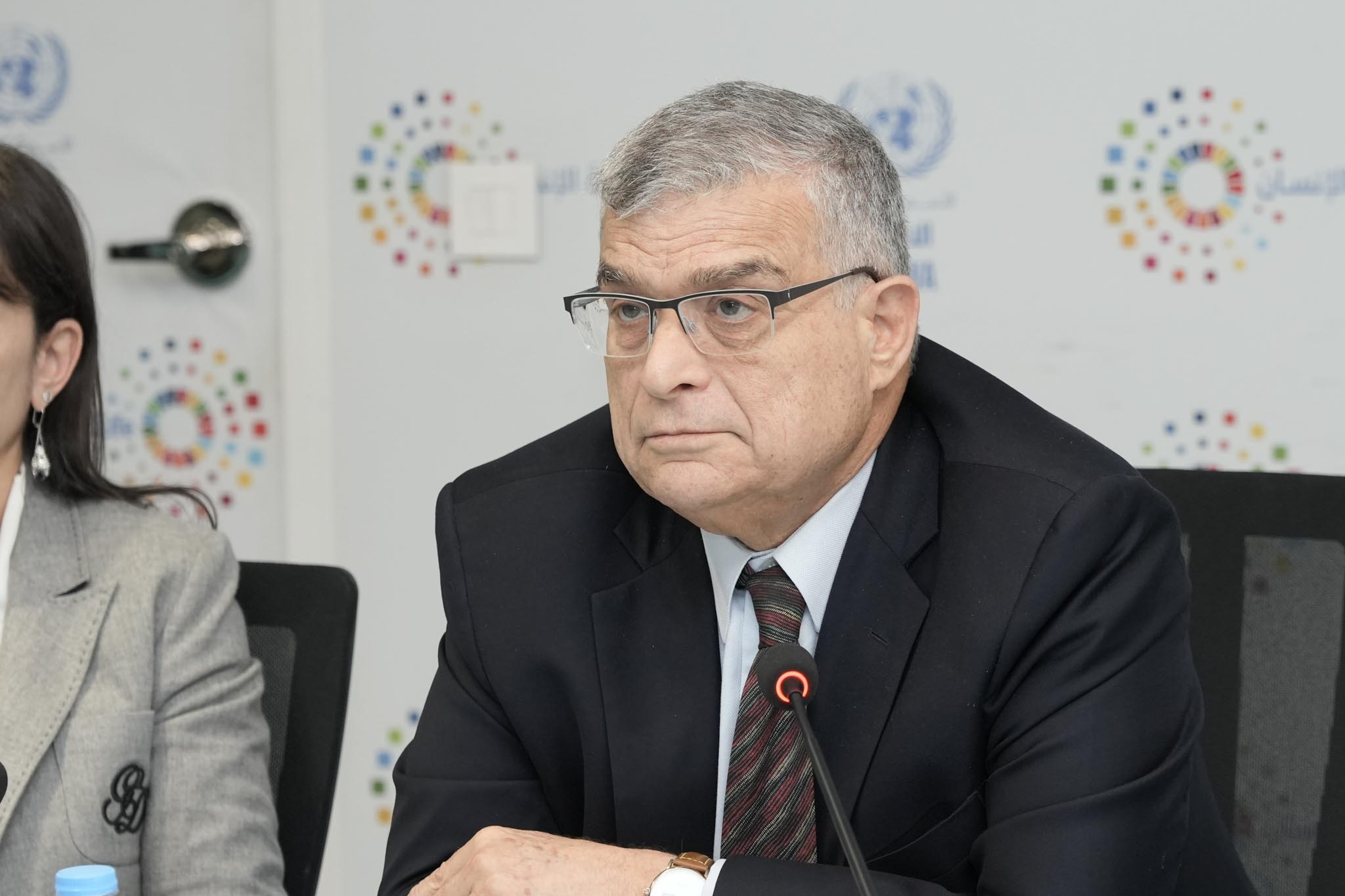
“The crisis has not only generated new pressures but has also exposed structural and long-standing fragility across several countries in the region,” noted ESCWA Acting Executive Secretary Murad Wahba. “Addressing its impacts cannot be limited to containing the immediate shock, but also requires tackling pre-existing imbalances, particularly in securing supply chains and identifying alternative ones”.
Discussions highlighted the complexity of linking the humanitarian and development dimensions of the crisis, stressing that the challenge went beyond meeting urgent needs to include safeguarding resilience, ensuring the continuity of services and preventing further development setbacks. In this context, participants emphasized the importance of adopting an integrated approach to bridge humanitarian and development responses, enabling responses to immediate pressures while maintaining a focus on longer-term recovery.
The session also highlighted the growing pressures faced by middle-income countries, which often bear increasing economic and social burdens without receiving equivalent priority in international support mechanisms. Participants stressed the need to better reflect the vulnerabilities of these countries in regional and international support frameworks, while addressing the specific complex conditions of countries already affected by protracted conflicts.
In addition, participants warned that a prolonged conflict risked evolving from a market shock into a deeper cost-of-living crisis, affecting investment, public finances, employment, and poverty levels, as well as household purchasing power. They also cautioned against potential impacts on agricultural production and food prices due to disruptions in key inputs, particularly fertilizers and fuel.
They stressed that immediate priorities should include safeguarding critical supply chains particularly in the food, energy, and water sectors, ensuring continuity in supply, storage, transport, and preventing disruptions to daily life.
Interventions also highlighted the importance of the regional dimension, both in strengthening coordination and limiting cross-border transmission of shocks. The session concluded with a reaffirmation that this dialogue marked the beginning of an ongoing process of engagement and follow-up between ESCWA and Arab countries to mitigate the impacts of the crisis.
****
About ESCWA:
One of five United Nations regional commissions, ESCWA supports inclusive and sustainable economic and social development in Arab States, and works on enhancing regional integration.
For more information and to arrange interviews:
- Ms. Maryam Sleiman, Public Information Assistant
📞 +961 81 769 888 | ✉️ [email protected] - Ms. Rania Harb, Public Information Assistant
📞 +961 70 008 879 | ✉️ [email protected]