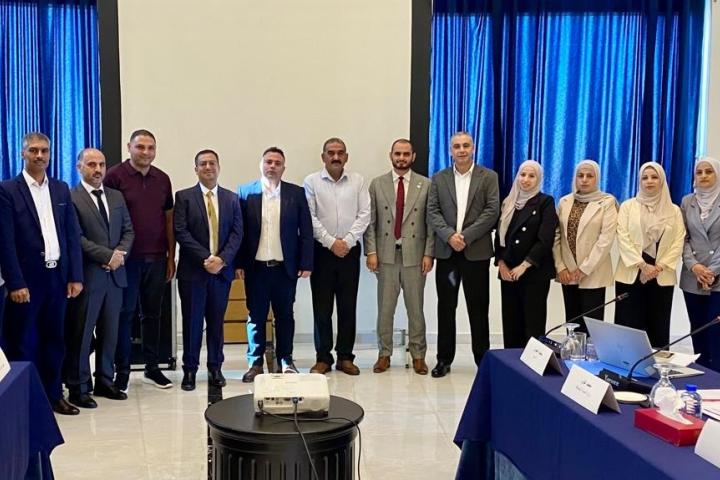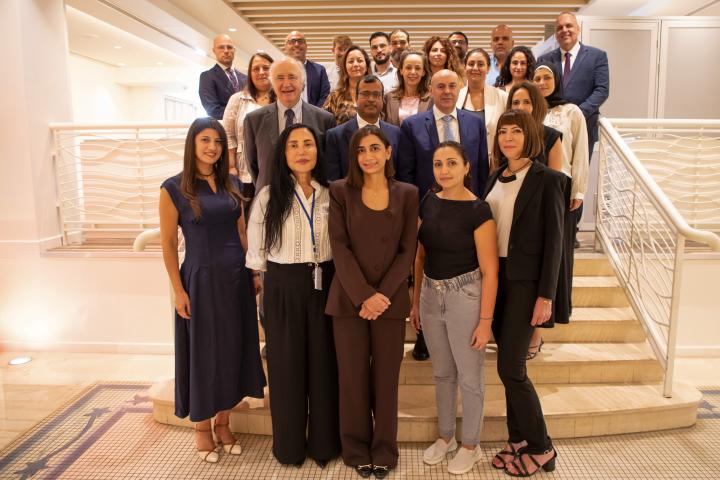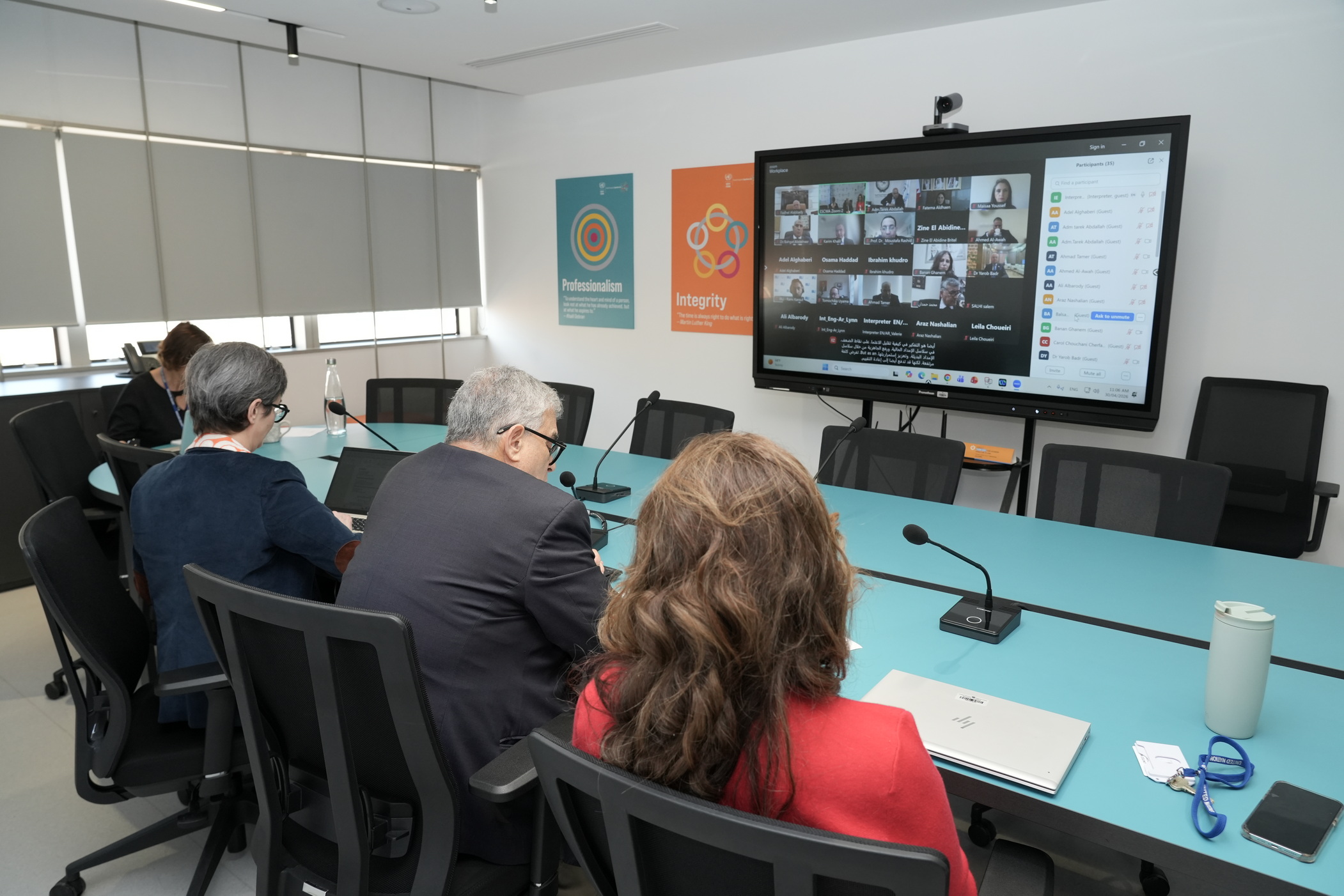
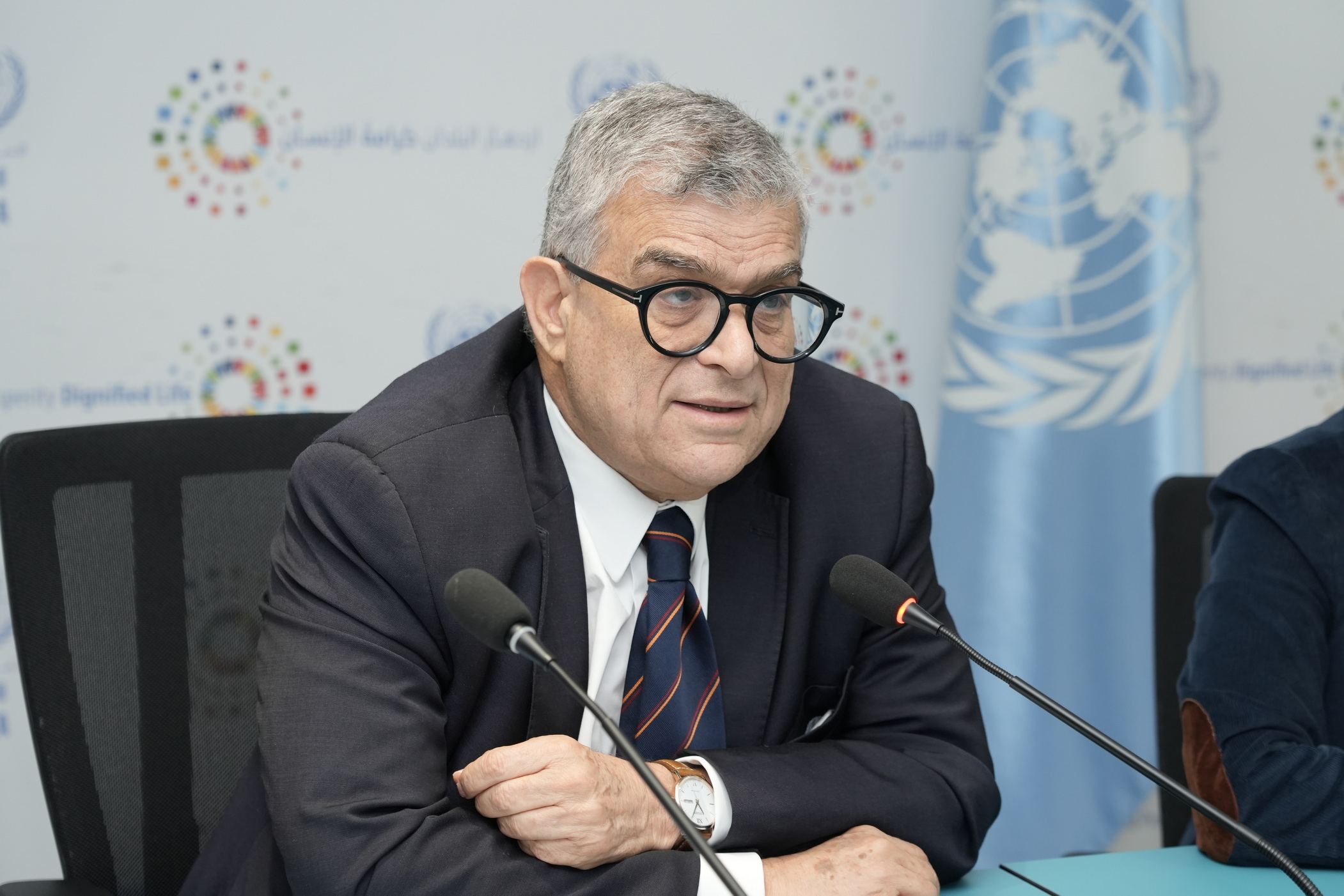
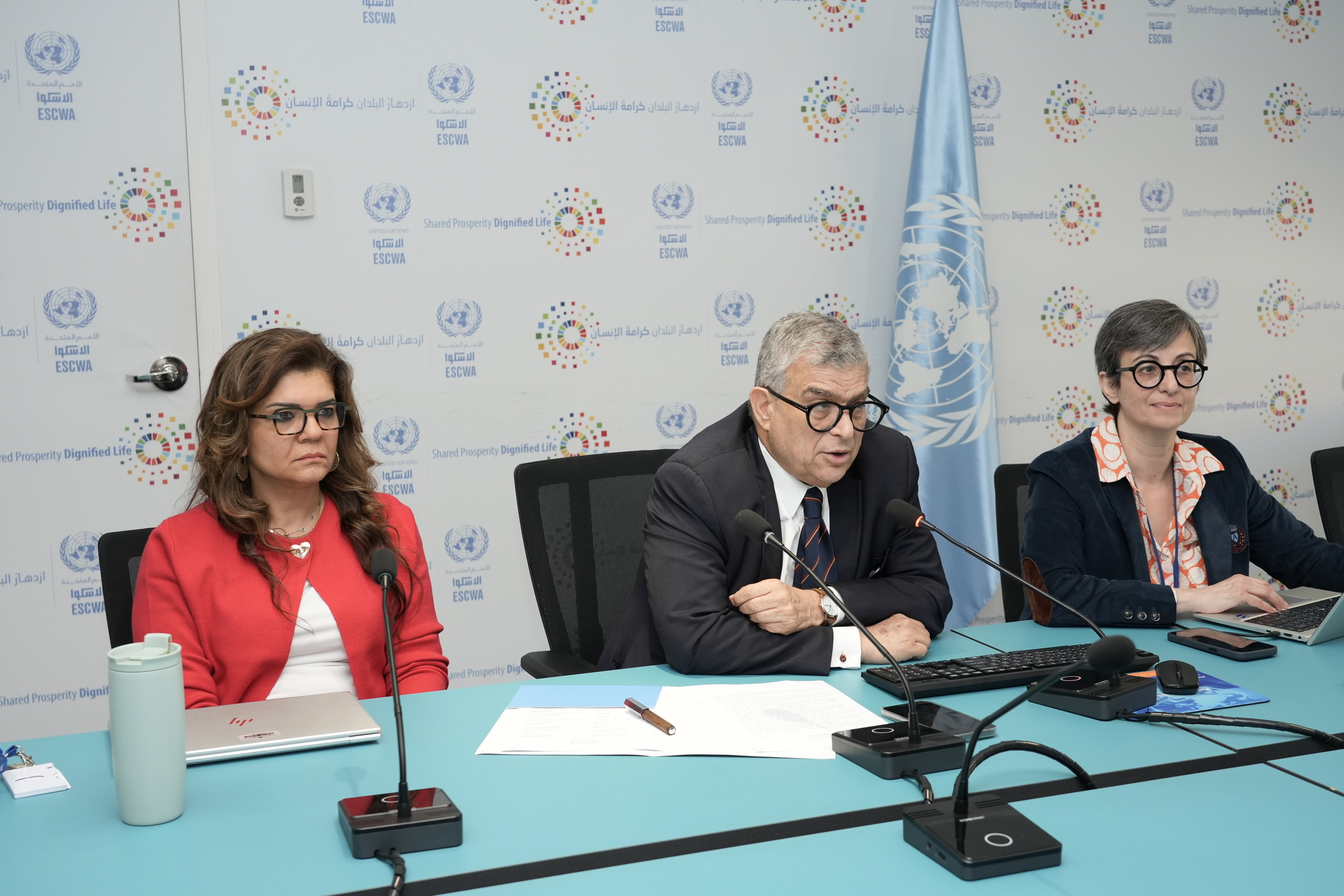
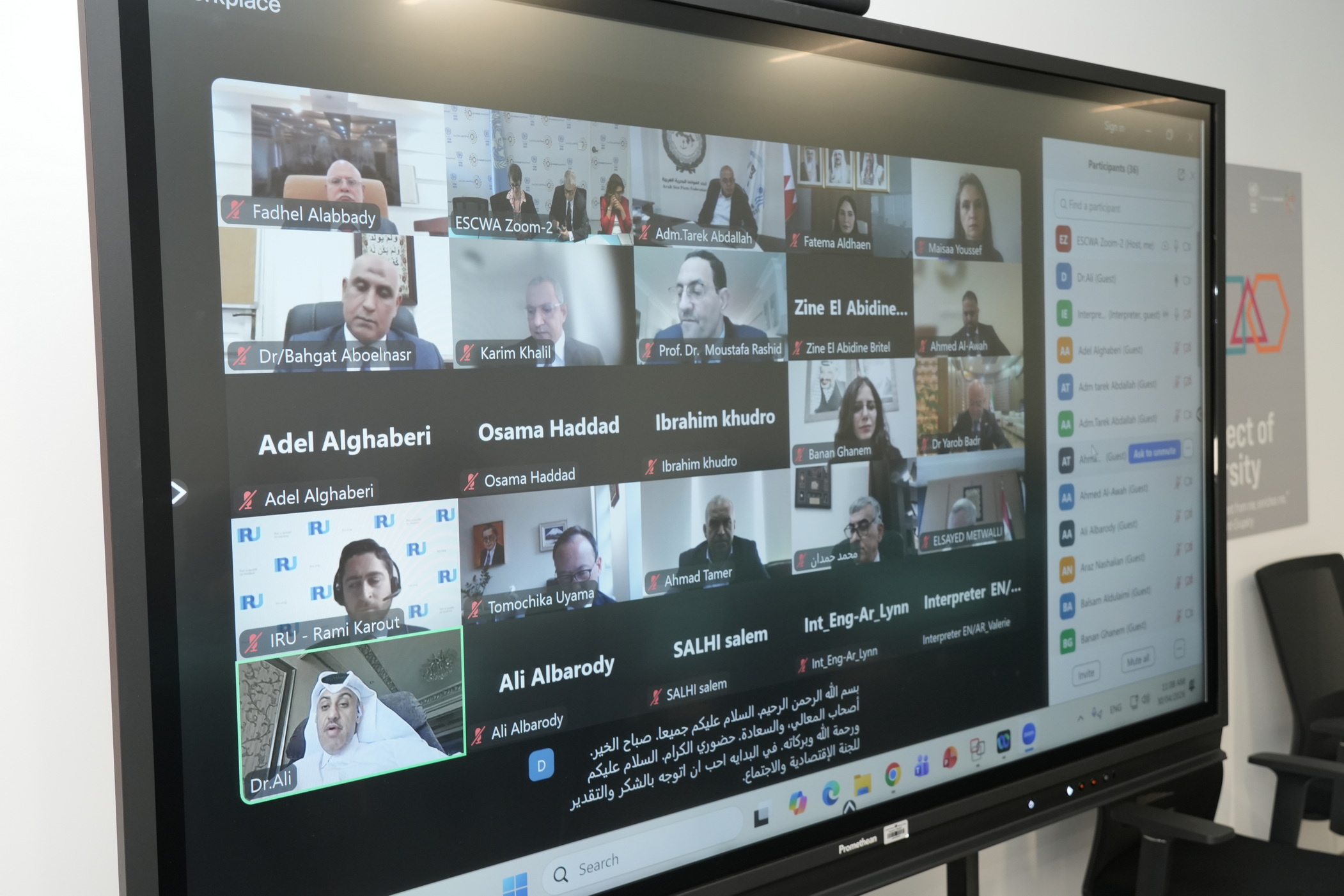
Beirut, 30 April 2026--As part of a series of high-level dialogues aimed at promoting closer coordination and providing support to Arab countries affected by the ongoing crisis, the United Nations Economic and Social Commission for Western Asia (ESCWA) today convened a second virtual ministerial dialogue to address the impact of the crisis on transport, logistics, and supply chains in the Arab region. The event brought together ministers and senior officials from Arab countries, along with representatives of relevant regional and international organizations and partners.
Participants commended the swift response of ESCWA in convening this dialogue at a critical time, and its ability to gather stakeholders from Arab countries and regional and international organizations around a pressing issue affecting the stability of vital sectors. They stressed the importance of providing a regional platform for dialogue that allows identification of practical priorities and initiates joint follow-up measures.
The dialogue addressed the impact of the crisis on the transport and logistics sectors as key pillars of economic stability, food and energy security, and the continuity of productive and commercial activities across the region. Interventions highlighted that the crisis went beyond its regional scope and took on global dimensions, with the region’s maritime and land corridors being critical to international trade flows and global supply chains. Continued disruptions could lead to structural effects on trade patterns, transport and insurance costs, and investment priorities in infrastructure and alternative corridors.
“The current crisis did not create vulnerabilities in supply chains in the region, but it exposed their extent, showing that disruption to any vital corridor could quickly affect transport movement, shipping costs, the availability of goods, and the regularity of trade flows,” ESCWA Acting Executive Secretary Mourad Wahba underscored.
Participants stressed that the required response should go beyond managing immediate repercussions and extend to strengthening regional capacity to deal with future challenges. This can be achieved through diversifying transport corridors, enhancing integration across maritime, land, and rail transport modes, and improving the efficiency of ports and logistics services. In the short term, practical measures were proposed to facilitate land transport between Arab countries, including temporary facilitations for trucks operating between these countries for a period of six months, which would help ease bottlenecks, reduce costs, and ensure smoother flows of goods during the crisis.
The meeting also shed light on proposed regional initiatives aimed at developing alternative corridors, rehabilitating regional transport routes, and strengthening energy transport pathways, while emphasizing the need to address the political, financial, administrative, and legal challenges facing these initiatives. Attendees also underlined the importance of adopting flexible approaches that take into account subregional dimensions, enabling gradual progress in areas where appropriate conditions exist, while maintaining the broader Arab framework for cooperation and integration.
“Despite the high cost of the crisis, it provides an opportunity for reassessment, correction, and building back better, by shifting from an emergency response to a preventive approach that addresses structural weaknesses, enhances preparedness, and makes supply chains across the region more resilient and sustainable,” Wahba added.
Discussions also highlighted the need to strengthen institutional preparedness at the national level, through the establishment of specialized teams or focal points for crisis management in the transport and logistics sector, helping to coordinate rapid responses, monitor risks, and tackle operational challenges.
The session concluded with agreement to follow up on the proposed ideas and initiatives through a taskforce comprised of representatives of member States, convened by ESCWA and including relevant regional and international organizations concerned with transport and logistics.
****
About ESCWA:
One of five United Nations regional commissions, ESCWA supports inclusive and sustainable economic and social development in Arab States, and works on enhancing regional integration.
For more information and to arrange interviews:
- Ms. Maryam Sleiman, Public Information Assistant
📞 +961 81 769 888 | ✉️ [email protected] - Ms. Rania Harb, Public Information Assistant
📞 +961 70 008 879 | ✉️ [email protected]