The European Union (EU) Carbon Border Adjustment Mechanism (CBAM) imposes a new carbon tax on imports to prevent carbon leakage and protect EU competitiveness. While aimed at reducing emissions, it is expected to significantly impact energy-intensive countries lacking carbon reduction policies.
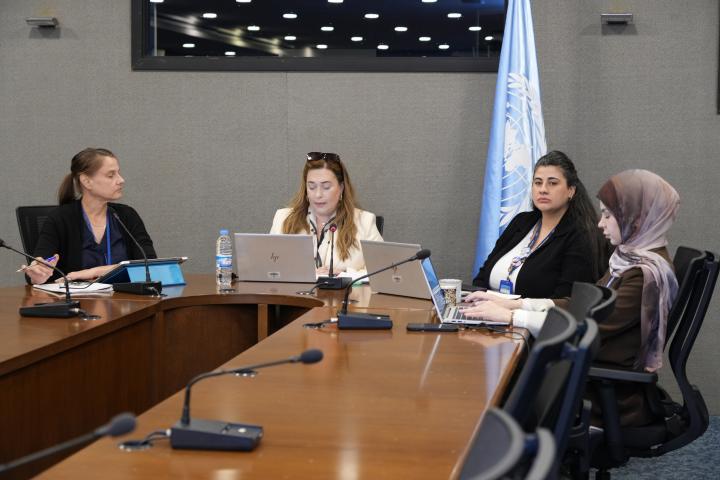
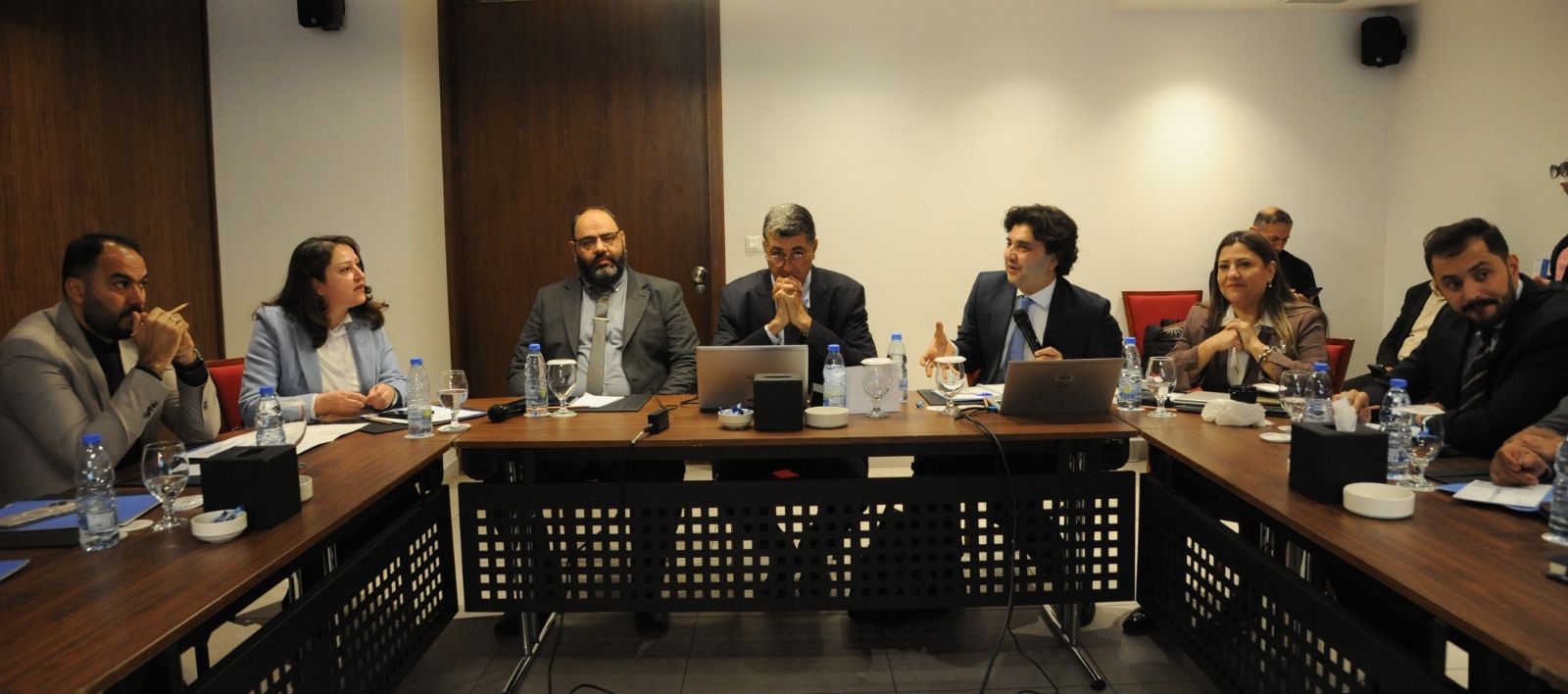
On 3 and 4 December, representatives from the Ministry of Economy and Industry and the Ministry of Finance, along with other relevant entities in Syria discussed in a national workshop the implementation of the CBAM and its potential impact on the Syrian economy. Participants examined mitigation strategies for affected sectors and practical adaptation mechanisms.
Organized by ESCWA and the Syrian Ministry of Economy and Industry, the workshop also addressed the need for an integrated economic vision supported by innovative policies that would enable Syria to re-engage with global markets amid emerging non-tariff measures such as CBAM.