17-18 September 2025
9:00–17:00
Beirut time
Forum

Arab Multi-Stakeholder Forum on Biodiversity Finance for Climate Resilience

.
Location
  • UN-House, Beirut, Lebanon
Contact information
Share

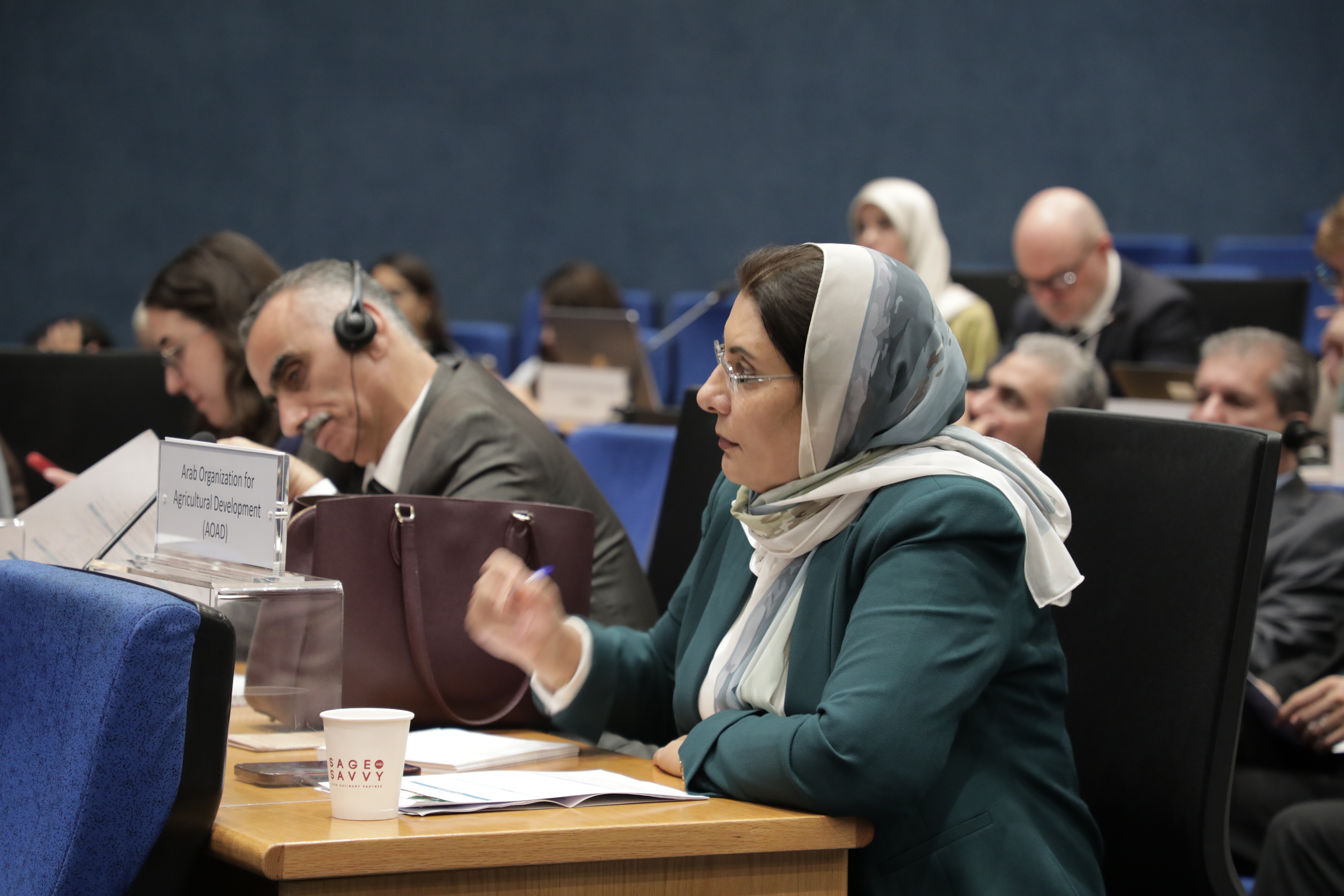
ESCWA is organizing the Arab Multi-Stakeholder Forum on Biodiversity Finance for Climate Resilience within the framework of the Multi-Stakeholder Platform for Protecting Biodiversity in the Arab Region, launched in 2023 with the support of the Government of Sweden. 

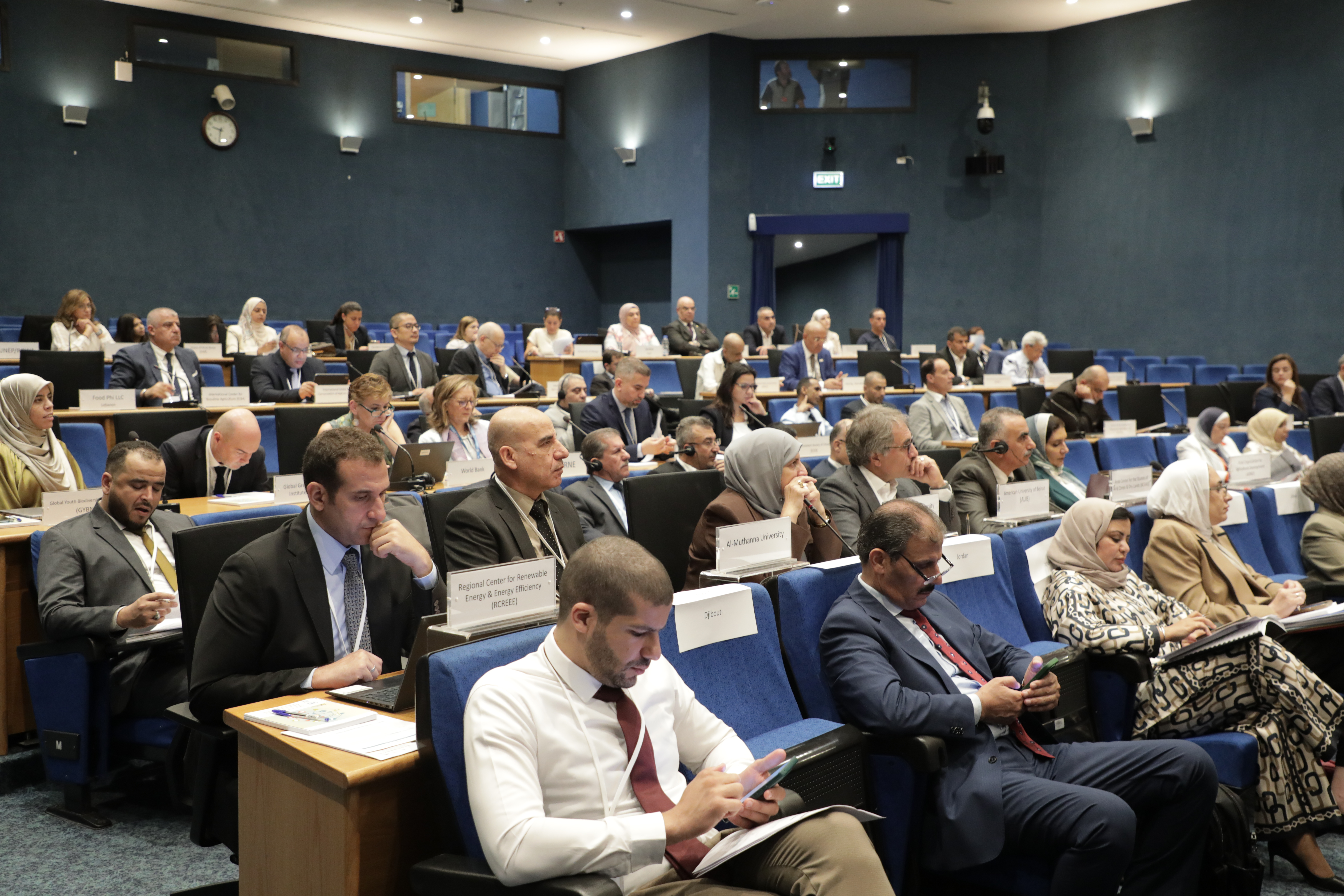
The Forum brings together stakeholders from across the region, including government representatives, civil society organizations, research institutions, private sector actors, financial institutions, and regional partners to advance dialogue on biodiversity finance and explore opportunities for partnership and resource mobilization. It also serves as a venue to present the outcomes of three thematic working groups established under the platform, focusing on: a) Nature-based solutions for climate resilience, b) Land degradation in arid agricultural ecosystems, and c) Renewable energy and biodiversity.

The objectives of the Forum include:

  • Examining regional biodiversity priorities for enhancing climate resilience in the Arab region, by identifying key challenges and response measures identified through the platform’s working groups.
  • Featuring innovative biodiversity finance strategies and instruments, including global and regional perspectives, and highlighting case studies and lessons learned.
  • Showcasing finance-ready project proposals, developed by the platform’s working groups, with a focus on their scope, scalability, and expected impact.

Outcome document

The Arab Multi-Stakeholder Forum on Biodiversity Finance for Climate Resilience convened policymakers, financial institutions, researchers, civil society, multilateral partners and private sector representatives to identify pathways to mobilize finance for biodiversity across the Arab region. Organized by ESCWA with support from the Government of Sweden, the two-day forum (17–18 September 2025) presented regional milestones, examined financing instruments and governance barriers, and explored the role of technology and private-sector engagement in delivering nature-positive investments. Participants exchanged evidence, lessons and practical recommendations to strengthen project pipelines, improve access to multilateral funds, integrate biodiversity into national planning (NDCs/NBSAPs/NAPs), and institutionalize regional cooperation mechanisms to sustain progress.

Key messages and recommendations that resulted from the meeting are as follows:

  • Advance synergies across the Rio Conventions to expand finance, streamline reporting, avoid duplication and optimize co-benefits between UNFCCC, UNCCD, UNCBD for the Arab region.
  • Promote nature-based solutions (NbS) as multi-benefit approaches for biodiversity, climate adaptation/mitigation, and livelihoods, while addressing fragmentation and small-scale implementation.
  • Scale up NbS by mainstreaming them into NDCs, NBSAPs, and NAPs, supported by robust standards and criteria to ensure integrity.
  • Strengthen community-driven approaches and traditional practices (Hima, rangelands) as pillars of long-term sustainability and resilience.
  • Develop ecological corridors and community-based NbS as regional flagships for connectivity, resilience, and cooperative action.
  • Improve documentation of co-benefits to attract public and private investment.
  • Include the needs of conflict-affected countries in regional NbS initiatives to address environmental damage and biodiversity loss, and strengthen resilience in fragile ecosystems.
  • Integrate biodiversity finance into climate and development planning and align NDCs, NBSAPs and NAPs with fundable project pipelines and national budgeting processes.
  • Prioritize large-scale land restoration, coastal and wetland rehabilitation, and ecological corridors as high-return, nature-positive investments that deliver food, water and climate resilience.
  • Scale up blended finance and sustainable financing instruments (biodiversity bonds, green sukuk, debt-for-nature swaps, sustainability-linked loans), enhance ESG investments and expand accreditation and direct access to multilateral funds for regional institutions and private entities.
  • Invest in data, monitoring and standards, develop unified biodiversity metrics, a regional taxonomy, double-materiality assessment tools, and outcome-based monitoring to demonstrate impact and attract private capital.
  • Expand renewable energy using science-based siting, flyway/ecological-corridor mapping, rigorous environmental surveys and participatory safeguards, to maximize co-benefits and minimize biodiversity risks.
  • Aggregate small, fragmented NbS projects into larger, investable vehicles and establish a small pipeline facility (technical assistance + seed grants).
  • Strengthen private sector engagement beyond CSR by embedding ESG into corporate strategy, and support startups and SMEs.
  • Enable pricing and monetization of ecosystem services (carbon and emerging biodiversity credits) where credible standards exist.
  • Map accredited entities, donor windows and national focal points; provide targeted capacity building for accreditation, proposal development, fiduciary systems and financial management to shorten access timelines.
  • Invest in geospatial and digital tools (RICCAR outputs, remote sensing, AI) and national open data repositories; prioritize capacity transfer for data-poor and conflict-affected countries to enable evidence-based site selection and monitoring.
  • Promote inclusive approaches: ensure gender-responsive financing, youth engagement, smallholder empowerment and community-driven models (e.g., Hima/rangelands) are central to project design and finance mechanisms.
  • Mobilize green FDI and explore a regional fund or blended-finance window to catalyse circular/biodiversity investments, while using tax incentives and regulatory clarity to attract private capital.
  • Institutionalize a regional coordination mechanism (partnership/committee/secretariat) supported by an MoU, interim digital platform and multi-year financing to sustain pipeline development, knowledge exchange and joint resource mobilization.

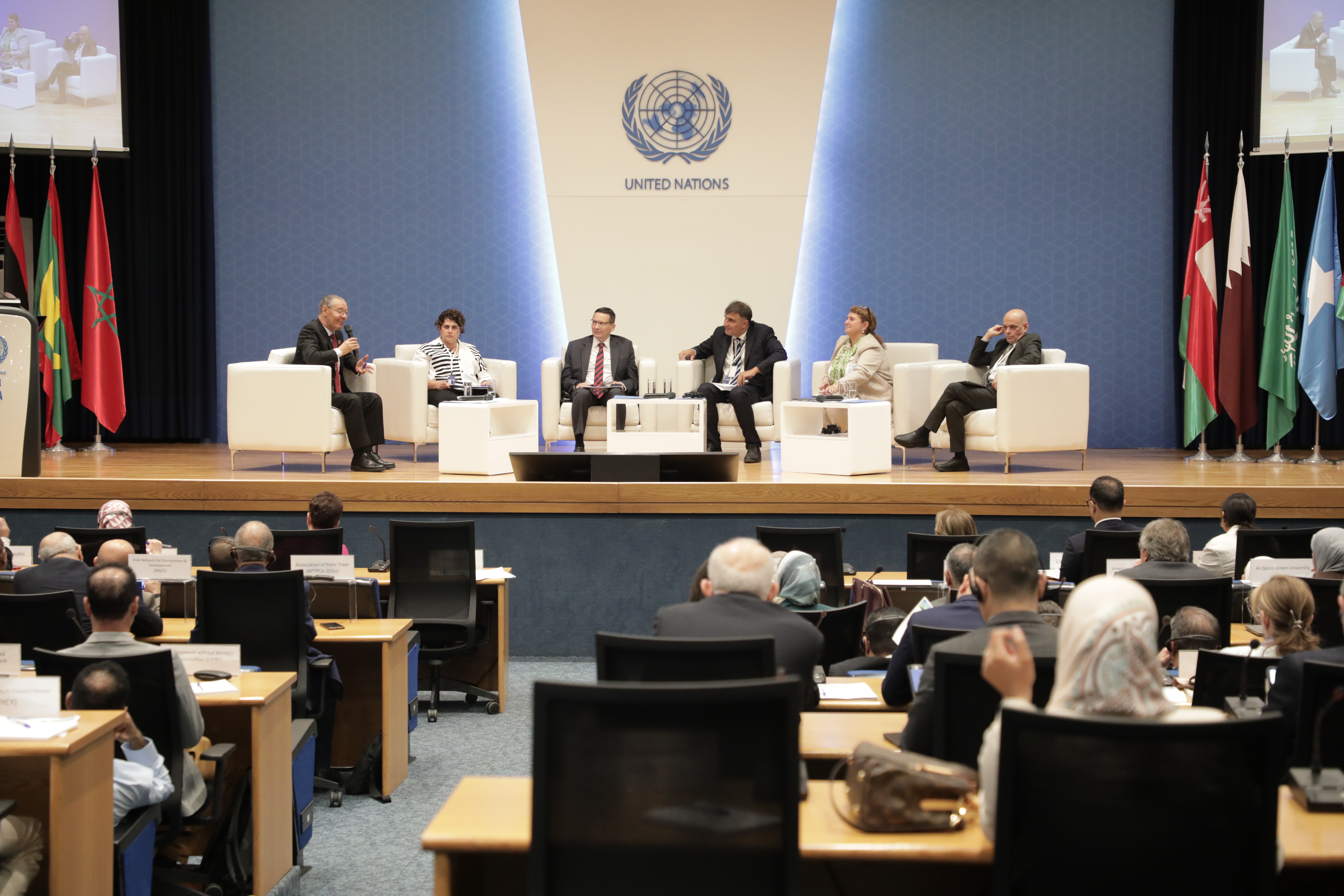
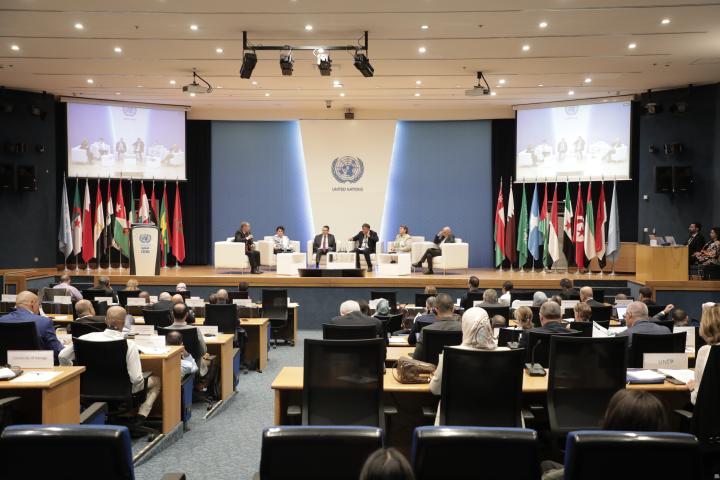
The Forum opened with high-level statements emphasizing the urgency of mobilizing finance to protect biodiversity and strengthen climate resilience across the Arab region. ESCWA highlighted the forum as a culmination of regional collaboration supported by the Government of Sweden, bringing together 40 organizations across 10 countries to co-develop practical, science-based solutions for biodiversity conservation under climate change. ESCWA stressed that the region faces converging crises—land degradation, ecosystem loss, water scarcity, conflict, and displacement—and that safeguarding nature is essential for long-term prosperity, food security, and climate resilience. The Lebanese Ministry of Environment underscored the need for collective action across sectors, borders, and communities, presenting the forum as a platform to transform “glocal” priorities—global ambition informed by local realities—into actionable proposals. Representatives from Brazil and Colombia framed biodiversity finance within a global context, highlighting COP30 in the Amazon and COP16 in Colombia as milestones for advancing multilateral cooperation, people-centred approaches, and innovative mechanisms such as the Tropical Forests Forever Facility and the Cali Fund to support indigenous communities, local actors, and resilient ecosystems. The League of Arab States emphasized regional coordination, policy alignment, and innovative financing strategies to overcome barriers to project bankability.

The session emphasized the urgency of advancing synergies across the Rio Conventions to unlock finance, streamline reporting and maximize co-benefits for the Arab region. The CBD Secretariat recalled ongoing cooperation among convention secretariats via the Joint Liaison Group and progress since the 2017 joint statement and the 2022 CBD–GEF–GCF collaboration. The League of Arab States highlighted that, in the Arab context, synergies translate into regional initiatives (e.g., Middle East Green Initiative, Great Green Wall) and policy coherence across environment, agriculture and water sectors; circular economy approaches were identified as a key pathway to reduce biodiversity loss and improve resource-use efficiency. The AUB Nature Conservation Center cautioned that nature-based solutions remain severely underfinanced (only ~13% of projects integrate NbS), are often small and fragmented, and perceived as risky; aggregating projects into larger, investable vehicles was proposed to attract private and institutional investors. UNEP presented the Bern Process as an inclusive platform mapping overlaps across some 16 biodiversity-related conventions and shared country case studies (Jordan, UAE) on enhancing synergies. The GEF described its shift from siloed projects to integrated programs that incentivize cross-sectoral approaches, while noting limited Arab participation in some integrated financing windows. Discussions pointed to persistent data gaps, weak documentation of project implementation, and low private-sector engagement in financing NbS. Participants underlined the need to streamline monitoring and reporting processes related to the three Rio Conventions, while also highlighting the importance of strengthening databases, building institutional capacity and enhancing national expertise of focal points to support policy formulation and project design.

FAO opened the session with stark figures: roughly 90% of Arab land is degraded, imposing annual economic losses estimated at $13–17 billion, and placing 2,500–3,000 species at risk. Only 4% of land in the region is currently under restoration—the lowest share globally. National case studies illustrated the crisis: Morocco reported large-scale forest decline, and Lebanon’s Ammiq wetland demonstrated how drought and competing water demands exacerbate ecosystem loss. The World Bank highlighted the region’s low share of global environmental financing, while IFAD and LAU advocated for integrated solutions that connect land, water, food and energy systems and centre women and smallholders as restoration agents. Panelists argued that ecological restoration is the primary solution to land degradation and climate impacts, offering very high returns (up to $20 in benefits per $1 invested). Yet major barriers persist: overgrazing, deforestation, unsustainable urban expansion, conflict-driven degradation, weak enabling policies and chronic underfunding. Speakers urged countries not to rely solely on external aid but to mobilize domestic resources, establish cross-sectoral governance arrangements (e.g., National Councils), and create bankable, coordinated restoration pipelines. Regional platforms (KHIBRA, NENFIRE) and events such as the 2026 International Year of Rangelands were highlighted as opportunities for coordination, knowledge-sharing and scaling.

The session explored available financial instruments and practical barriers to scaling biodiversity finance in the Arab region. The World Bank, the Union of Arab Banks and Standard Chartered showcased instruments including biodiversity bonds, green sukuk, debt-for-nature swaps and sustainability-linked loans; Standard Chartered highlighted innovation through its Innovation Hub, while UAB shared sukuk cases from Egypt and the UAE and noted gaps in regulatory guarantees elsewhere. The Adaptation Fund explained accreditation pathways and emphasized the role of NbS in adaptation finance. The EU highlighted community-based Hima approaches that link conservation with local livelihoods. The Global Environment Facility described its evolution toward integrated programmes that incentivize cross-sectoral approaches but noted limited participation by Arab countries in some integrated funding windows.

Speakers agreed that investing in nature produces clear social and economic returns, but that projects must demonstrate measurable conservation and livelihood outcomes to attract capital. Persistent obstacles identified included the absence of a unified disclosure and monitoring framework for biodiversity outcomes, limited technical capacity within banks and project developers, and weak coordination between financial institutions and government regulators. Several panelists emphasized the need to expand accreditation of regional institutions to multilateral funds (Adaptation Fund, GEF, GBFF) to broaden access. Regional banks are beginning to pilot green finance—issuing sukuk, supporting solar irrigation and sustainable agriculture—but biodiversity finance remains nascent and fragmented.

Equity and inclusion were recurrent themes: community-driven models (e.g., Hima), gender-responsive financing hubs and youth-oriented green innovation programs can ensure that finance supports conservation, resilience and livelihoods simultaneously. The session closed with calls to strengthen project pipelines, standardize monitoring and disclosure, and build capacities across public and private stakeholders to mobilize larger, more diverse pools of capital.

The session underscored the urgent need to address desertification, habitat loss, and coastal erosion, challenges that have been exacerbated by climate change. Nature-based solutions (NbS) were highlighted as integrated pathways that deliver environmental, social, and economic benefits. ESCWA linked NbS to the Paris Agreement and regional priorities, emphasizing their potential to enhance mitigation, adaptation, and biodiversity protection.

Experts presented frameworks, standards, and examples to clarify what constitutes genuine NbS. The International Union for Conservation of Nature (IUCN) shared its eight criteria and 28 standards, noting that many projects labeled as NbS fall short of these standards. UNEP pointed out that only two countries in West Asia have submitted National Adaptation Plans, despite growing global recognition of NbS through UNEA resolutions. It called for the urgent integration of NbS into Nationally Determined Contributions (NDCs), National Biodiversity Strategies and Action Plans (NBSAPs), and National Action Programmes (NAPs).

WWF emphasized the importance of community engagement and “blue finance” to strengthen coastal resilience, while the Islamic Development Bank highlighted knowledge generation, new methodologies for nature-positive investments, and the “yellow economy” for dryland sustainability. The Global Environment Facility (GEF) showcased NbS projects from the region that demonstrated tangible co-benefits for water, air quality, and urban resilience.

The discussion also raised concerns about conflict-affected countries in the region, where ecosystems have suffered severe damage and biodiversity loss. Participants stressed the need to account for these contexts and called for their meaningful inclusion in regional NbS initiatives. In response, UNEP and IUCN confirmed that assessments and engagement are already underway, affirming that building resilience in fragile environments is a core component of the regional NbS agenda.

The session concluded with the presentation of three regional project concepts—forest restoration, coastal rehabilitation, and ecological corridors—illustrating how NbS can be translated from broad concepts into practical, community-driven initiatives. These proposals demonstrated the potential of NbS to deliver measurable environmental, social, and economic benefits while fostering regional cooperation.

The session examined links between rapid renewable deployment and biodiversity, arguing that evidence-based planning can turn clean-energy investments into nature-positive outcomes rather than environmental liabilities. IRENA opened with a global framing—rapid growth of solar and wind and six operational principles for siting and permitting—stressing strategic location, monitoring and long-term impact assessment. The Ministry of Electricity and Energy in Yemen reported expanding solar and wind in the national mix, using impact assessments and decentralised solutions to extend access without harming ecosystems, while the Ministry of Energy and Mining in Algeria underlined mandatory environmental impact assessments for renewables but highlighted data gaps and called for stricter, more transparent implementation. The Wadi association in Jordan warned that poorly designed solar and wind projects can turn sites into biodiversity “deserts,” and argued for nature-restoring design, native planting, efficient water use and stronger regulation to align renewables with conservation. The United Nations Development Programme (UNDP) explained how platforms such as PISTA and BIOFIN provide technical assistance and structure financing so that renewable-energy projects are bankable while also meeting biodiversity and ESG standards, and these UN-linked instruments (technical assistance and biodiversity finance planning) were identified as key enablers. RCREEE showcased a flyway model, based on its Gulf of Suez experience, using migration surveys, radar monitoring, and shutdown-on-demand measures to guide wind development in sensitive areas like Lebanon.

The session concluded with project concepts proposed by the Renewable Energy and Biodiversity Working Group, focusing on: Argan-based livelihoods in Morocco by pairing solar-powered water access with women-led cooperatives and training; wetland restoration in Lebanon, Morocco, Syria, and Yemen using solar energy for wastewater treatment along the Litani River, stabilizing lakes like Homs and Eriki, gazelle conservation in conflict-affected rangelands through habitat restoration, water harvesting, solar supply, and community capacity building; safeguarding migratory birds in Lebanon by integrating radar-assisted turbine shutdowns, biodiversity-informed siting, monitoring, and offsets into permits and PPAs.

Recommendations were clear: adopt strategic environmental assessment and strict site-selection safeguards; embed mitigation, monitoring and species-sensitive measures into contracts and financing; mainstream biodiversity criteria into lending and fiscal incentives; invest in national capacity and environmental databases; and create sustainable funding streams (including offsets and contractual obligations) to guarantee biodiversity protection across project lifecycles.

This session examined strategies to mobilize private capital for biodiversity and climate resilience, emphasizing that voluntary corporate social responsibility initiatives alone are insufficient to meet financing needs. The discussion highlighted the importance of establishing robust ESG frameworks and blended-finance mechanisms to de-risk early investments and attract long-term private participation. The Global Green Growth Institute emphasized the potential of blended finance structures and carbon markets to connect private investors with biodiversity projects, while regional financial institutions showcased how integrating ESG principles into lending products can generate both environmental and economic value. The banking sector participating in the panel underscored that biodiversity finance remains largely untapped in the Arab region due to limited valuation of ecosystem services, complex accreditation procedures and the absence of unified taxonomies or regulatory guidance, in addition to limited capacities in developing bankable projects. They added that quantifying biodiversity assets and ecosystem services is essential to create investable opportunities and to align corporate finance with national and regional sustainability goals.

SEKEM also noted its “Love Economy” initiative, which integrates regenerative farming, fair pricing and community-led value sharing so that economic gains directly fund social wellbeing and ecosystem restoration.

Discussions highlighted that improved access to climate and biodiversity funds—such as the Green Climate Fund and the Global Biodiversity Framework Fund—requires greater institutional capacity, faster accreditation processes and stronger collaboration between the public and private sectors. The session concluded that advancing biodiversity finance in the Arab region demands the development of regional taxonomies, standardized biodiversity metrics, and capacity building for banks and enterprises, alongside repurposing CSR budgets toward blended instruments that can mobilize scalable, nature-positive investment.

This session showcased how geospatial tools, and emerging AI methods can close critical data gaps and guide targeted, evidence-based action across the Arab region, with ESCWA highlighting the potential role of RICCAR’s regional climate assessments in assessing the impact of climate change on biodiversity. Presenters demonstrated practical uses—vulnerability mapping, hotspot identification, early-warning and damage/loss assessments, coastal water-quality dashboards and ecological-corridor delineation—but also warned that national data fragmentation, short-term project funding, data withholding and weak translation of academic outputs into policy severely limit impact of technologies for data generation in biodiversity protection. The discussion stressed the urgent need for open, standardized data-sharing frameworks and national repositories, substantial investments in technical capacity especially in conflict-affected and data-poor countries.

The session opened as a pragmatic, funder-facing working meeting composed of three parallel working groups — Nature-based Solutions; Land Degradation in Arid Agricultural Ecosystems; and Renewable Energy & Biodiversity — all charged with answering two practical questions: what are the main barriers to financing these proposals, and what criteria and considerations do donors apply when evaluating such initiatives. 

As for the Working Group Nature-based Solutions (NbS), the Adaptation Fund participated online and set the procedural baseline: accredited entities may submit rolling applications at pre-concept, concept or full-proposal stages, there is no mandatory co-financing requirement, and board approval processes can take up to around a year—underscoring the need for timely alignment with accreditation channels and national endorsement.

Participants agreed that a series of practical obstacles currently hamper access of project proposals to finance. Participants requested ESCWA to share the mapping of potential donors. The working group emphasized a structural mismatch between the current coalition of mainly civil-society partners and donors’ preference for accredited entities or government counterparts and raised concerns about partners’ technical and financial implementation capacity. A governance problem emerged related to the lack of designated coordinator, secretariat or MoU to sustain collaboration among working group members once the biodiversity platform project ends, thus creating a high risk of momentum loss.

On donor’s requirements, participants argued that projects must secure explicit country endorsement and clear government partners, and that regional concept notes need robust justification for their scale. Moving from a concept note to a full proposal will typically require situational analyses, agreed pilot-site selection and demonstrable national buy-in. The group also recommended rapid mapping of accredited entities and national focal points so civil society and technical partners can channel work through appropriate intermediaries. Participants also noted financing modalities that could improve bankability, including phased pilots and blended-finance structures to reduce upfront capital requirements, and stressed the importance of building partner capacity in proposal development, financial management and fiduciary safeguards to meet donor standards.

The Land Degradation Working Group emphasized that collective action is key to the success of any project and noted that engaging local communities is challenging, requiring extra effort and resources—thus deserving special priority. The group observed that funding opportunities remain limited without government support, making official approvals essential to grant initiatives formal status. It stressed the need to demonstrate technical and financial management capacity, ensure reliable financial administration, and establish clear mechanisms for budget allocation and resource distribution to guarantee fairness and transparency. The group also called for exploring private sector investment as a funding source and strengthening partnerships between regional organizations and government institutions to ensure project sustainability.

The Working Group on Renewable Energy & Biodiversity delivered the following set of messages: financing is impeded by the absence of explicit environmental targets and standards in many energy-investment frameworks, by weak or missing local regulations (participants cited wind-farm permitting gaps), by donor tendencies to prioritize community-development outcomes over national environmental objectives, and by mismatches in terminology and expectations between donors and country partners. To improve bankability, participants recommended aligning energy proposals closely with donor missions, demonstrating political buy-in and strengthening regulatory frameworks at the national level.

The closing session focused on strategies to sustain the regional mechanism established under the Arab Multi-Stakeholder Platform for Protecting Biodiversity. Partners agreed that continuity, coordination and resource mobilization are vital if the progress achieved through the forum is to translate into long-term regional cooperation and financing pipelines. The American University of Beirut proposed creating a dedicated website for the biodiversity platform and suggested forming a subcommittee to identify funding opportunities, scale small projects and strengthen project writing and technical capacity. ACSAD recommended transforming the mechanism into an interactive virtual platform for continuous knowledge exchange, capacity building and concept-note development, in collaboration with LAS, CBD, GEF, and UNDP to ensure stability and funding. RECREE suggested establishing a scientific advisory committee in collaboration with ESCWA, convening a regional forum every two years, organizing site visits and consultations to identify priorities, and maintaining the platform as a coordination and development mechanism for at least five years before conducting a comprehensive review of its progress and direction.

Presentations


Related news

arrow-up icon
Feedback