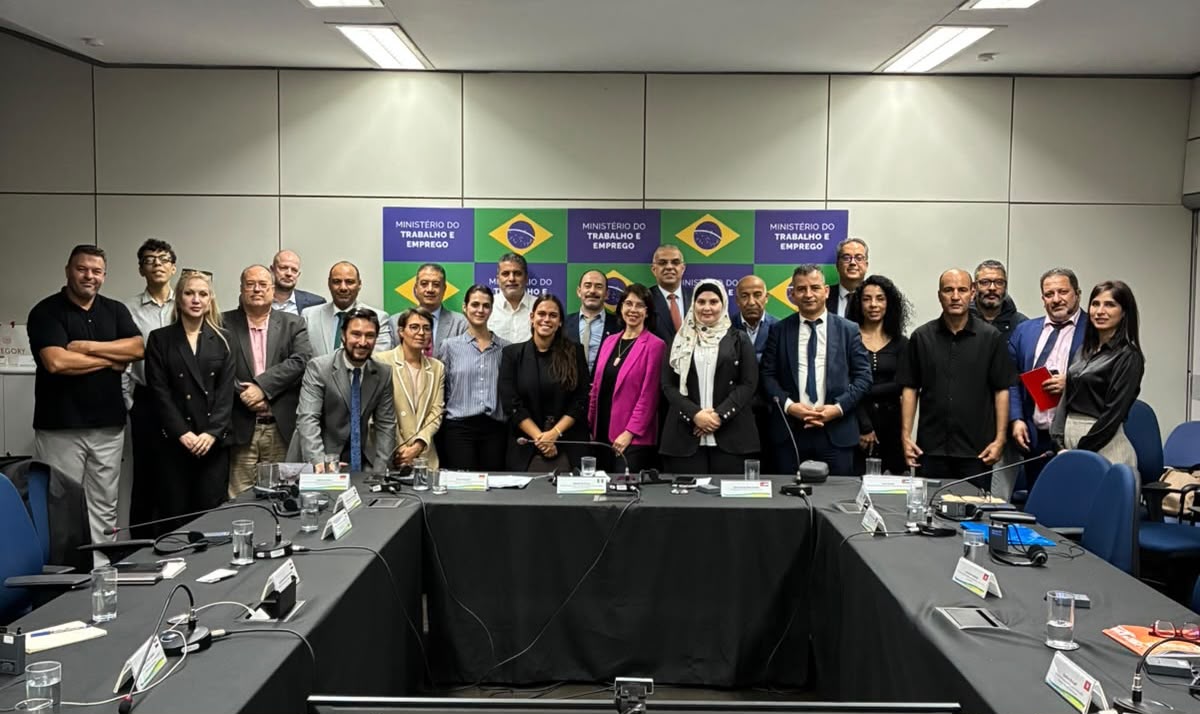
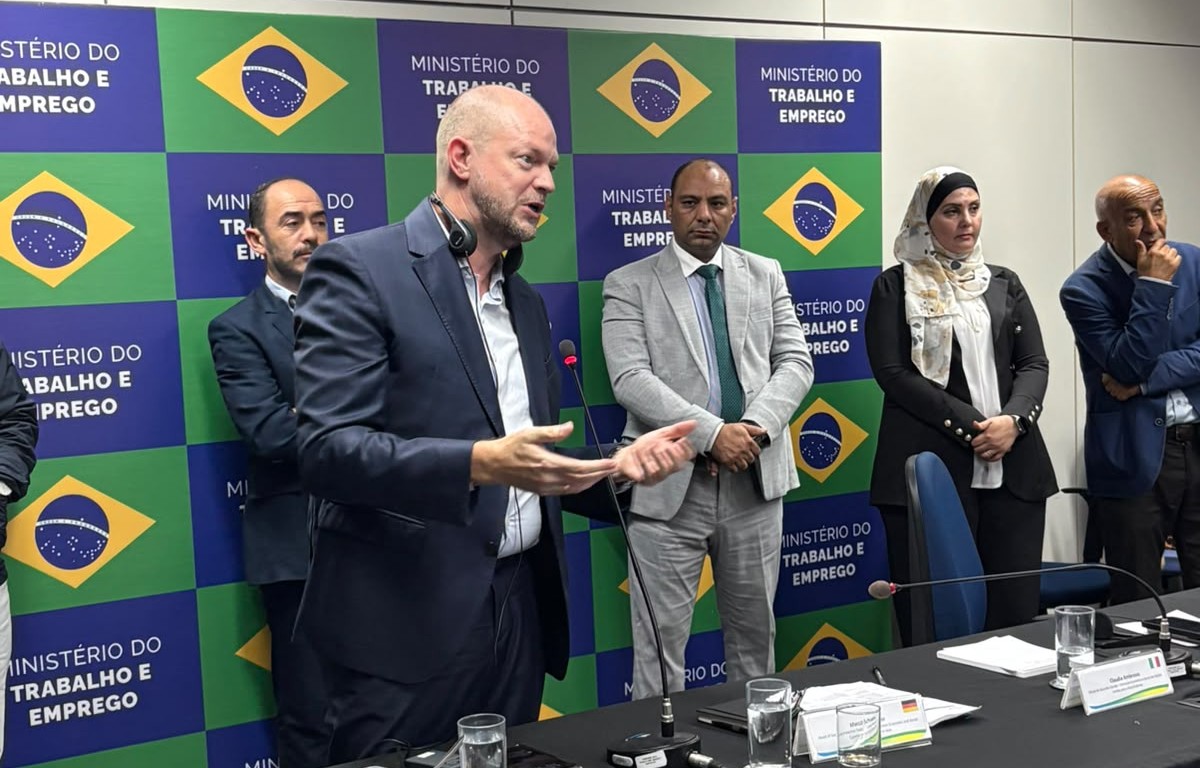
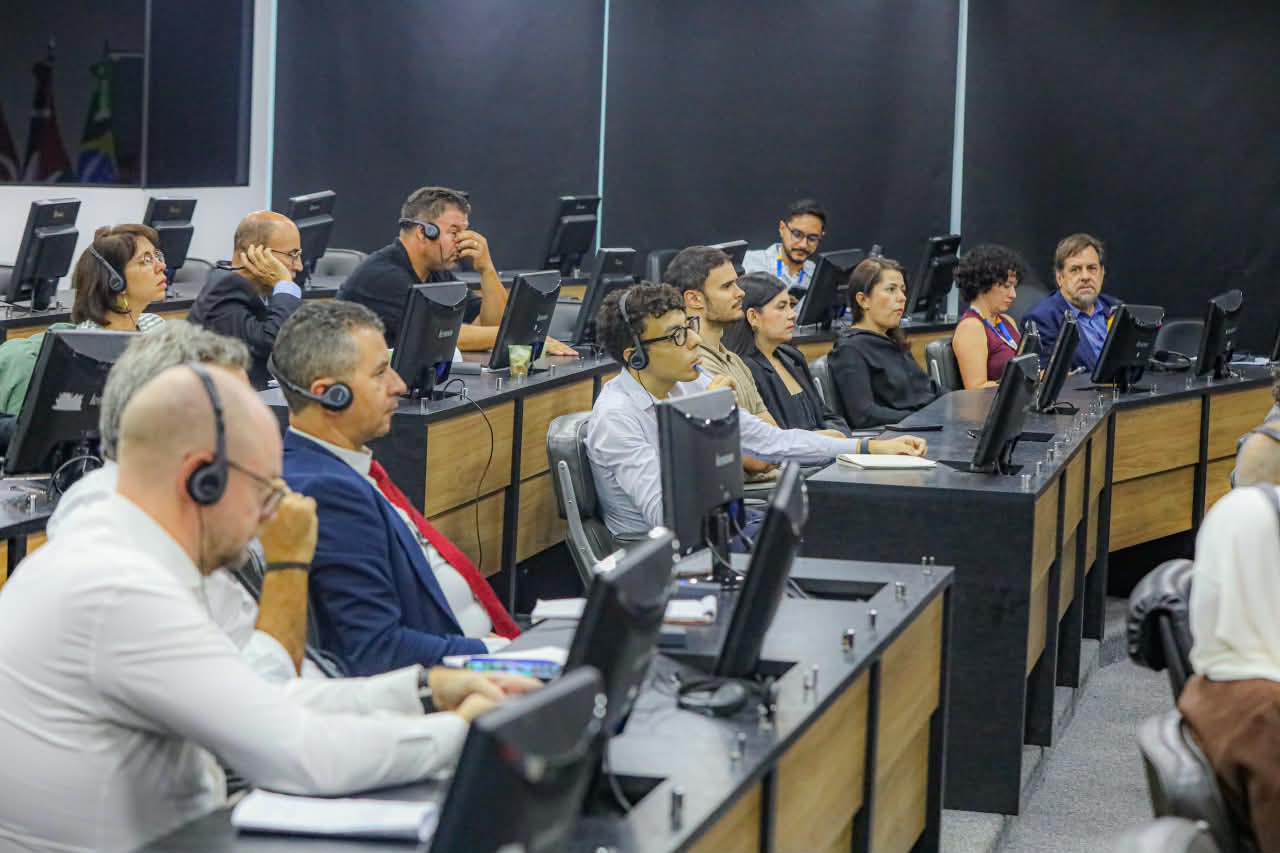
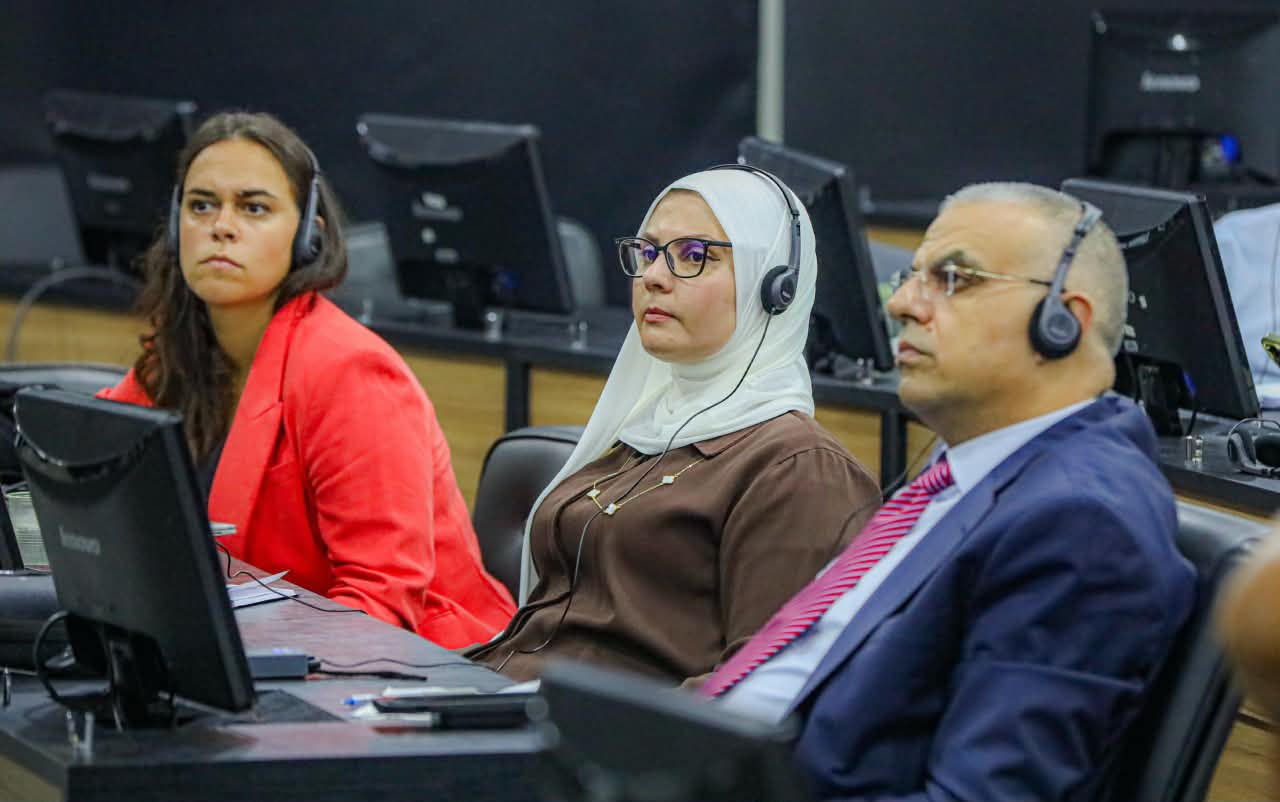
How can female informal workers in the Arab region’s middle-income countries be effectively protected against life-cycle risks such as old age, ill-health and the birth-related ones? To identify practical and scalable policy solutions, ESCWA facilitated a cross-regional study tour to Brazil and Uruguay for social policy decision makers and practitioners from Egypt, Jordan, Morocco and Tunisia from 22 to 30 September. The delegation was also joined by the Regional Coordinator for the Middle East and North Africa of the International Social Security Association (ISSA). The visits to ministries of social affairs and labour and to social insurance organizations provided an opportunity to explore hands-on effective policy solutions and innovative digital approaches to expanding social insurance coverage among female informal workers.
The study tour was organized in the broader context of the Regional Commission’s collaboration with Germany’s Development Cooperation via GIZ’ regional Hiya MENA project, which is funded by Germany’s Federal Ministry of Economic Cooperation and Development (BMZ).
Informality remains widespread across the Arab region, with many workers, particularly women in informal and irregular employment, remaining outside contributory social protection schemes. This leaves them particularly vulnerable to poverty in the event of a health crisis or in old age. The study tour therefore provided an opportunity for policymakers and practitioners from the four countries to hold in person exchanges with Brazilian and Uruguayan institutions and learn about policy designs and digital approaches that have proven to effectively reduce informality among this group by addressing administrative, financial and other obstacles that often prevent informal female workers from accessing social insurance.
Importantly, the exchange identified Brazil’s and Uruguay’s experiences in using tailored benefits, flat-amount contribution payments, simplified procedures and integrated data systems as global good practices to make social insurance schemes more attractive and accessible for female informal workers.
Furthermore, dedicated sessions were held to present Brazil’s national care programme and Uruguay’s policies to formalize domestic work, which aim to improve women’s to access formal employment while reducing vulnerable work environments.
Through such initiatives, ESCWA reaffirms its commitment to supporting member States in advancing inclusive social development and strengthening social protection systems that are responsive to evolving labour market realities. By promoting cross-regional learning and knowledge exchange, and connecting policymakers with successful international experiences, ESCWA continues to help Arab countries expand protection for vulnerable groups, including women in informal employment, and develop sustainable, future-ready social policies that strenghten resilience and leave no one behind across the region.