Debt Optimization Platform
Optimizing debt sustainability strategies for financing the Sustainable Development Goals
2022 – Ongoing

Arab governments continue to face mounting debt burdens amid persistent fiscal pressures and tightening global financial conditions. The “triple crisis” of food, fuel, and climate, compounded by the lingering effects of the COVID-19 pandemic, has deepened fiscal and liquidity constraints across the region. High interest rates, inefficient public expenditure, and limited access to concessional and private capital have further eroded fiscal space and heightened debt sustainability risks. While many countries are pursuing innovative financing to support social, economic, and climate priorities, progress remains constrained by capacity gaps, inconsistent taxonomies and sustainability frameworks, and limited regional mechanisms for knowledge exchange. In line with the Sevilla Commitment and its follow up actions, addressing debt challenges and improving fiscal resilience have become central imperatives for achieving sustainable and resilient development in the Arab region.
ESCWA is advancing an innovative and forward-looking approach to public debt management in the Arab region, anchored in AI-powered dynamic decision-support tools and evidence-based policy analysis. By combining new knowledge on debt optimization strategies with national capacity building, peer learning and regional policy dialogue, ESCWA is mobilizing decision-makers to adopt more resilient, data-driven, and sustainable financing practices.
At the national level, ESCWA equips policymakers with tailored analytical tools and AI-enabled policy simulations to strengthen debt optimization strategies and promote fiscal sustainability. It also enhances governments’ readiness to access innovative financing instruments by supporting the establishment of inter-ministerial taskforces that design and implement integrated country programmes, ensuring that debt management and financing strategies are aligned with national development and climate priorities.
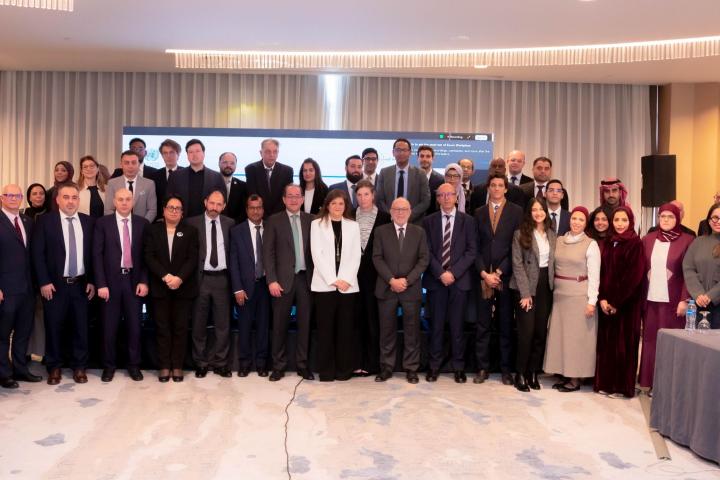
At the regional level, ESCWA has pioneered the establishment of the Arab Debt Management Group (ADMG)—a dedicated regional network that fosters peer learning, policy dialogue, and technical cooperation among debt managers. The ADMG enables Arab countries to exchange experiences, strengthen debt management frameworks, and enhance fiscal resilience, while also contributing the region’s perspective to the global platform for borrower countries, launched in Seville at the Fourth International Conference on Financing for Development (FfD4). Through this initiative, ESCWA is positioning the Arab region at the forefront of collective action on debt sustainability, innovative financing, and equitable access to global capital markets.
At the global level, ESCWA actively engages with multilateral development banks (MDBs), international financial institutions (IFIs), the Paris Club, the G20, and COP meetings to amplify the Arab region’s voice in advocating for a fairer and more inclusive international financial architecture that broadens access to sustainable financing. Through interregional collaboration and strategic partnerships, ESCWA advances a transformative agenda to strengthen debt sustainability and mobilize innovative financing for inclusive, long-term development. ESCWA played a pivotal role in embedding the climate/SDG debt swap mechanism within the Sevilla Commitment. The establishment of the Arab Debt Management Group (ADMG) as a regional initiative, which is subsequently echoed in the global Borrowers’ Platform, underscores the Arab region’s leadership in developing innovative and future-oriented approaches to debt and financing solutions.
UN Trade and Development (UNCTAD)
Economic Commission for Africa
Economic Commission for Latin America and the Caribbean
Open Society Foundations
Aligned with the Sevilla Commitment and its follow up actions, ESCWA is implementing a comprehensive set of activities that combine analytical innovation, capacity building, and global advocacy to strengthen debt management and debt optimization strategies across the Arab region.
• Developing new knowledge using AI-powered tools and analytical platforms:
ESCWA leverages AI-powered tools and analytical platforms, such as the Debt Optimization Platform (DOP), to develop innovative knowledge products and policy simulation tools through providing real-time insights into global debt instruments, peer interest rates, and market conditions, enabling more efficient optimization of debt portfolios and borrowing strategies. These resources offer real-time data and insights, helping debt managers optimize debt portfolios and formulate effective debt optimization strategies.
• Building national and regional capacities:
ESCWA enhances national and regional debt management by offering specialized technical assistance and organizing workshops that build policymakers’ capacities in debt sustainability and optimization. Through the Arab Debt Management Group (ADMG), it also promotes knowledge sharing and policy dialogue among member states to improve debt management practices.
• Fostering interregional and global cooperation:
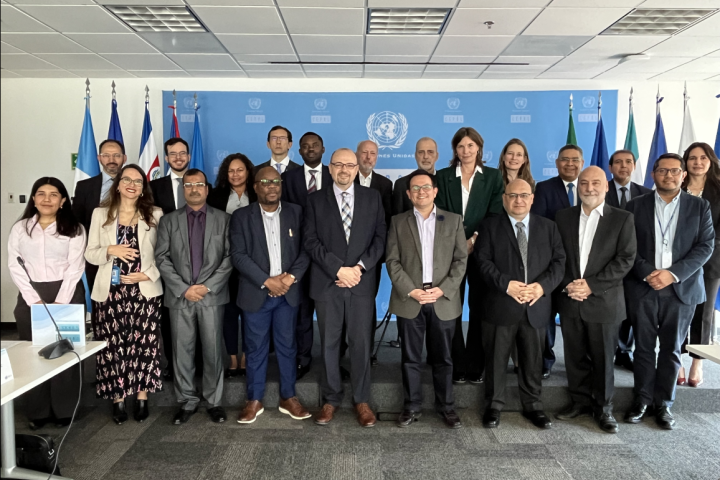
In partnership with UNCTAD and other UN Regional Commissions in Africa, Latin America, and the Caribbean, ESCWA co-produces practical guides and convenes regional, interregional, and country-specific workshops to enhance countries’ readiness to access innovative financing instruments—including climate/SDG debt swaps, thematic bonds, and other innovative mechanisms.
• Enhancing institutional readiness for innovative financing
ESCWA assists member States in designing and implementing Climate/SDGs Debt Swap – Donor Nexus Programmes, in partnership with the Open Society Foundations. These programmes convert external debt service payments into local-currency investments that advance national and global development priorities while easing fiscal pressures. The country platform approach of ESCWA, anchored in the establishment of inter-ministerial taskforces, enables governments to design integrated country programmes and unlock a wider range of innovative financing instruments for climate action and sustainable development.
• Advocating international financial reform
At the global level, ESCWA advocates for comprehensive reforms of the international financial architecture, including revisions to credit rating methodologies and debt sustainability analysis frameworks, to promote a fairer and more inclusive global system that enhances developing countries’ access to affordable and sustainable financing. ESCWA’s sustained advocacy has informed global dialogues on debt solutions and is reflected in the Sevilla Commitment and related international initiatives.
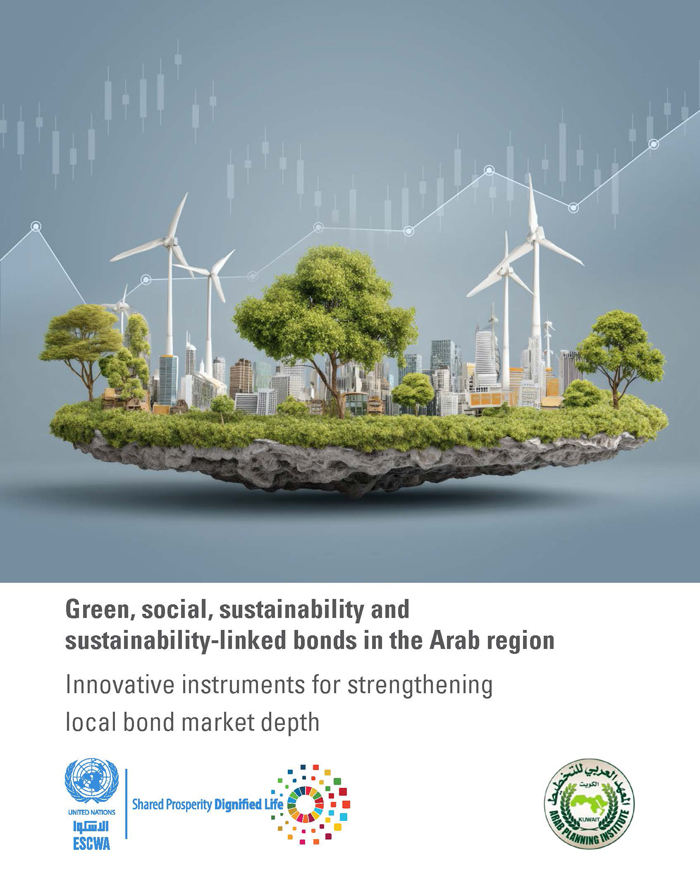
Several reports have been produced within this initiative:
The initiative contributes to global reports and policy briefs on debt and fiscal issues:
The initiative contributes to global initiatives:

 Baghdad, Iraq