7-8 March 2023
9:00–16:30
Beirut time
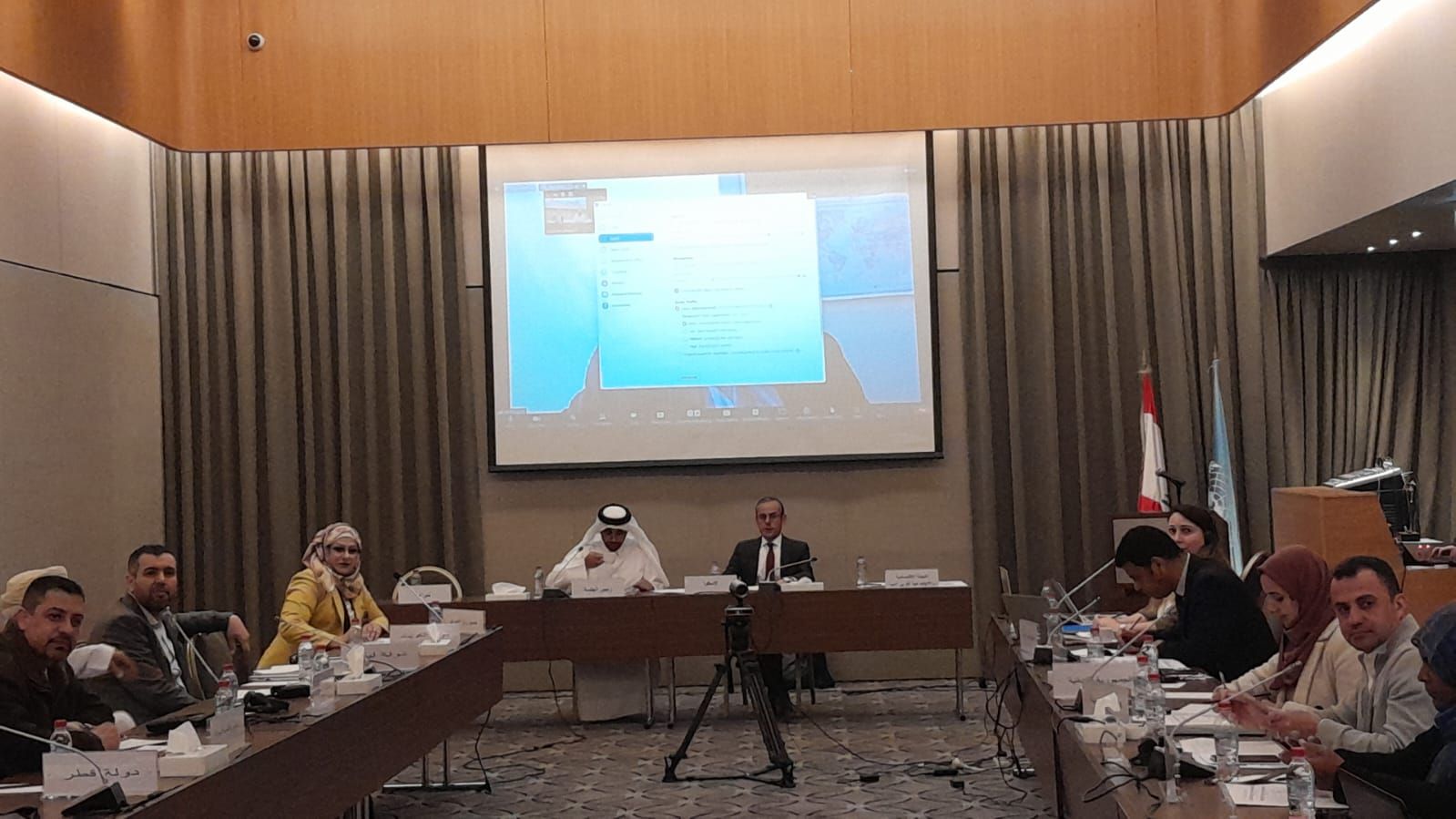
Expert Group Meeting

Fifth meeting on demographic and social statistics for Arab countries

Location
  • Radisson Blu Hotel, Beirut
Share

ESCWA is organizing the fifth meeting of the technical advisory group on demographic and social statistics in Arab countries.

This meeting aims to:

  • Review and discuss the ESCWA work programme, “Supporting the Promotion and Modernization of Demographic and Social Statistics in Arab Countries”
  • Present the available data for basic demographic and social indicators in the Arab countries, discuss tools for capturing data on these indicators and formulate solutions to bridge the data gap
  • Discuss the availability of labour force statistics and sources of such data, national good practices in data collection and dissemination and existing challenges facing national statistical offices in providing such data
  • Present a summary of the ESCWA initiative on collecting data on the middle class in the Arab region
  • Review the regional strategic framework for civil registration and vital statistics.

Outcome document

Participants in the fifth meeting of the Technical Advisory Group on Demographic and Social Statistics agreed on a set of outcomes. They issued the following recommendations on the expected activities of national statistical offices and ESCWA.

I- Recommendations to national statistical offices

  1. Intensify cooperation and coordination between national statistical offices and data producers within the national statistical system, and relevant regional and international institutions to complete the necessary data series and calculate estimates (in the absence of data);
  2. Welcome ESCWA estimates and calculations of missing data to fill gaps in the data time series of some indicators, with the need to consult with statistical offices, and present the methodologies used to estimate data wherever they are received and ensure their adoption by statistical offices;
  3. Welcome the use of a special electronic platform to complete the ESCWA questionnaire for the periodic collection and exchange of statistical data online from countries and national statistical offices to incorporate such data in ESCWA databases and disseminate them;
  4. Eliminate 36 indicators that do not respond to national statistical offices’ continuous updating needs, stressing that their removal from the list does not in any way negate their importance and the need to provide them within the national statistical system, and highlighting the importance of ESCWA support in working on them;
  5. Attach the utmost importance to providing ESCWA with the required data for the agreed core list of indicators, through the approved mechanism and through statistical offices in accordance with national procedures;
  6. Ensure that indicators cover all resident populations, including refugees and migrants, and disaggregate data, where possible, to obtain an accurate description of the entire population, by gender, age, geographical location, disability status, income, etc.;
  7. Intensify efforts to integrate and use international standard definitions with a view to producing high-quality comparable indicators;
  8. Work on the formulation of national action plans using the ESCWA regional strategic framework for civil registration and vital statistics (2021–2025) to achieve progress in this area;
  9. Benefit from the ESCWA study on measuring the middle class using labour force surveys and other data sources, and examine technical needs for statistics in this area;
  10. Continue to encourage the exchange of expertise and experiences among countries in the production of demographic and social indicators.

    II- Recommendations to the ESCWA secretariat

    1. Send a copy of the amended electronic questionnaire to the members of the Committee for follow-up with the concerned stakeholders in statistical offices and with the components of the national statistical system to ensure that the questionnaire is completed within the specified time period;

    2. Strengthen cooperation and coordination with specialized agencies and international and regional organizations to consolidate efforts, reduce duplication of activities and validate work methodologies, where applicable;

    3. Organize trainings and workshops for national statistical capacity development as requested by Arab countries, including in areas of population projections and estimates at the local level, particularly in countries facing crises that are not conducive to the implementation of official statistical activities, and provide capacity-building in the area of middle-class measurement;

    4. Consider the possibility of preparing a study on national good practices and challenges related to the provision of labour force statistics in Arab countries;

    5. In addition to the official correspondence, consider the possibility of engaging representatives of member States of the Technical Advisory Group on Demographic and Social Statistics in updating the demographic and social data and statistics that statistical offices are required to provide to ESCWA;

    6. Adopt the regional strategic framework for civil registration and vital statistics (2021–2025) and follow up on national progress in this regard, including assisting in the formulation of national or subregional action plans, discussing difficulties and obstacles facing stakeholders and ways to overcome them, and identifying ways forward.

arrow-up icon
Feedback