30 October 2025
9:00–16:00
Beirut time
Conference

Second SDG 16 Conference: future of governance

Location
  • Dubai, United Arab Emirates
Contact information
Share

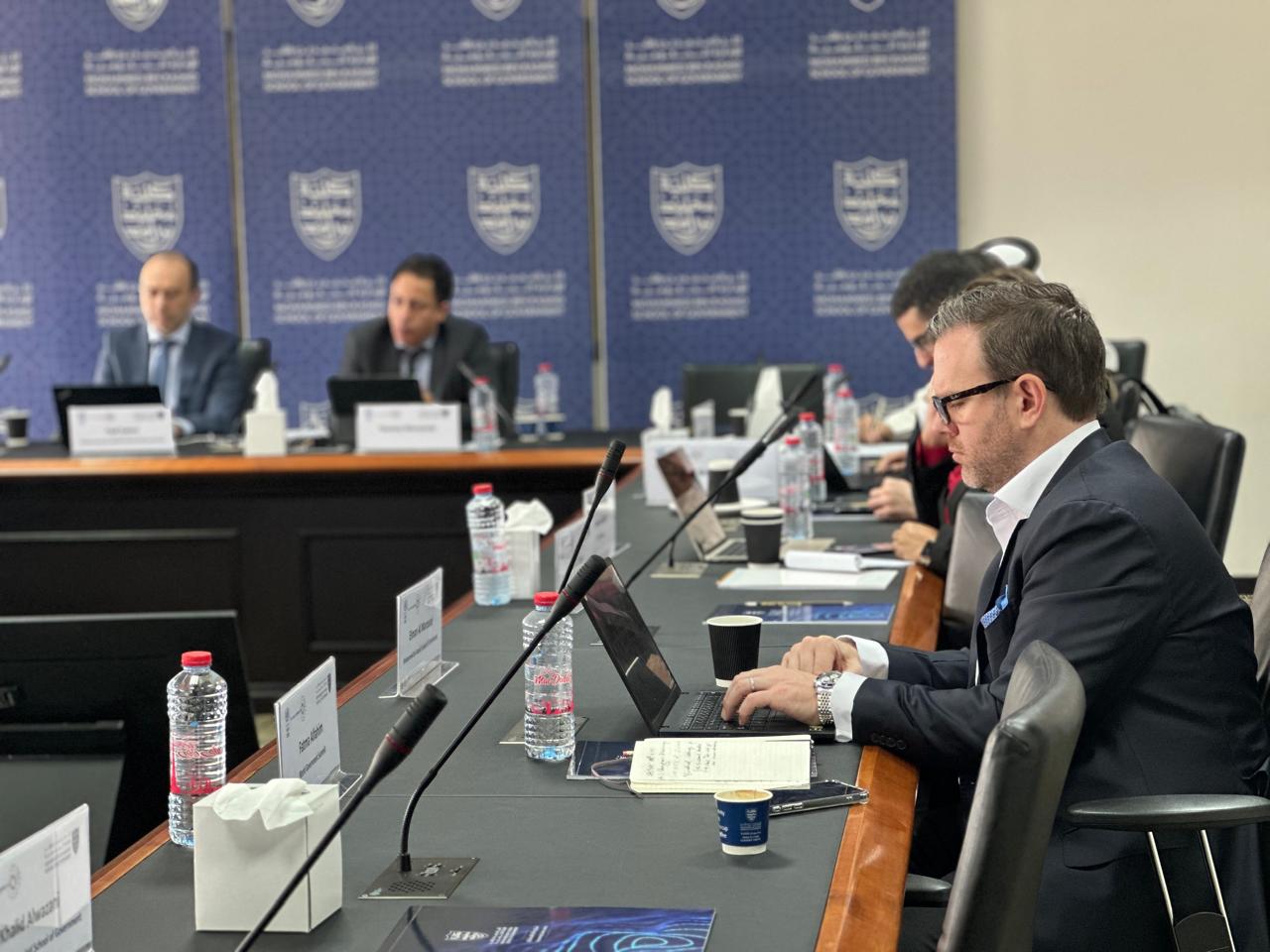
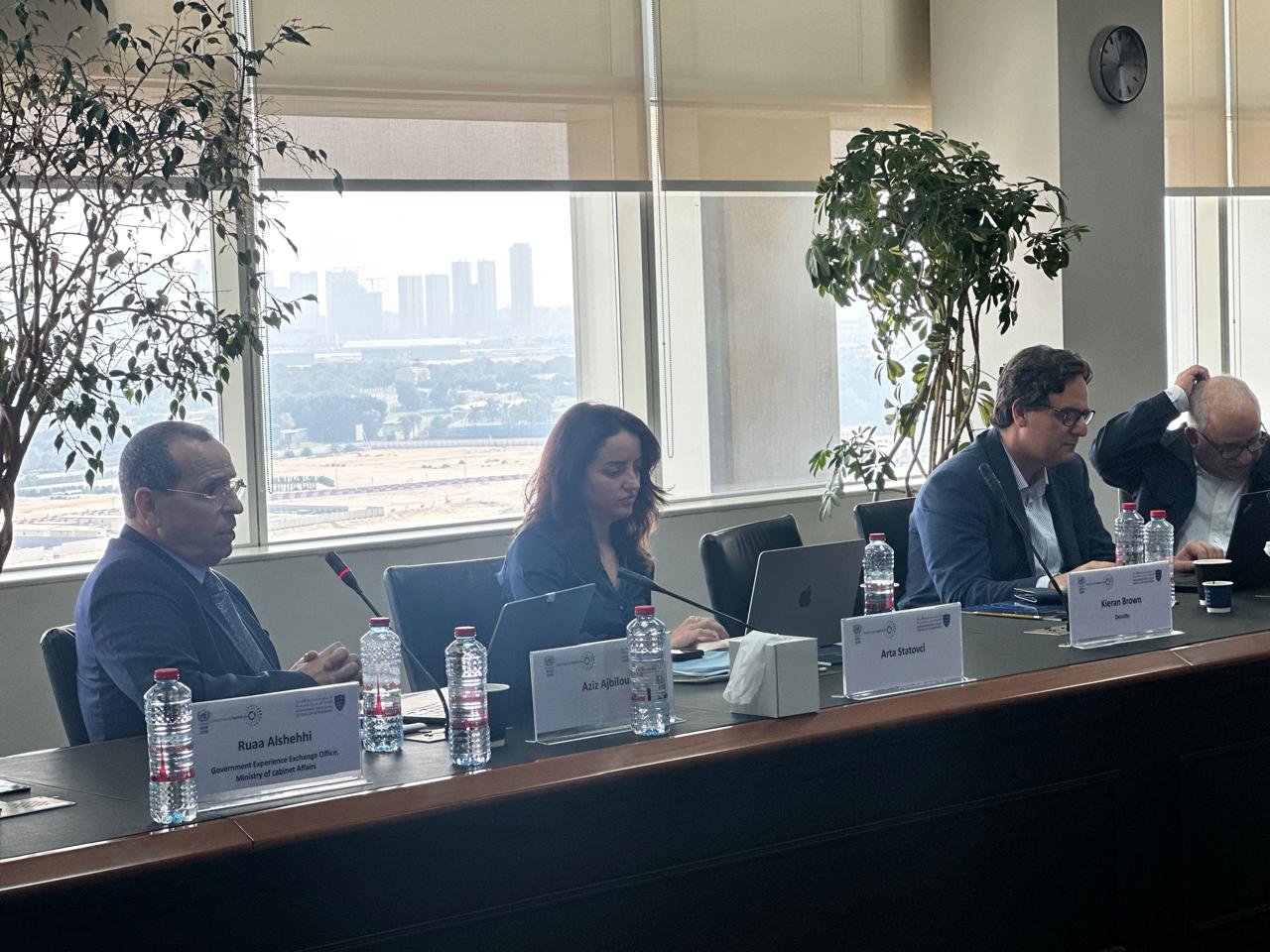
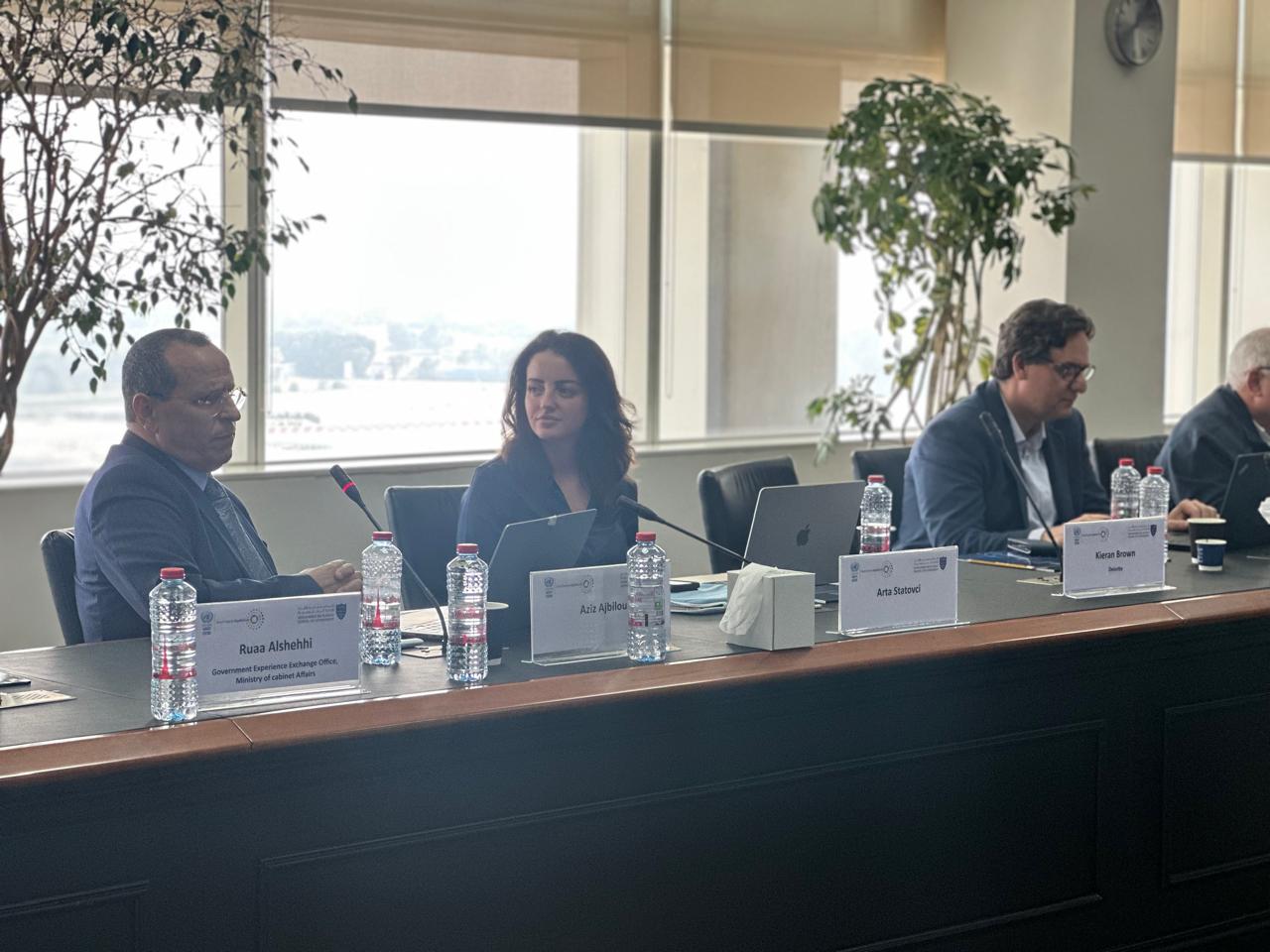
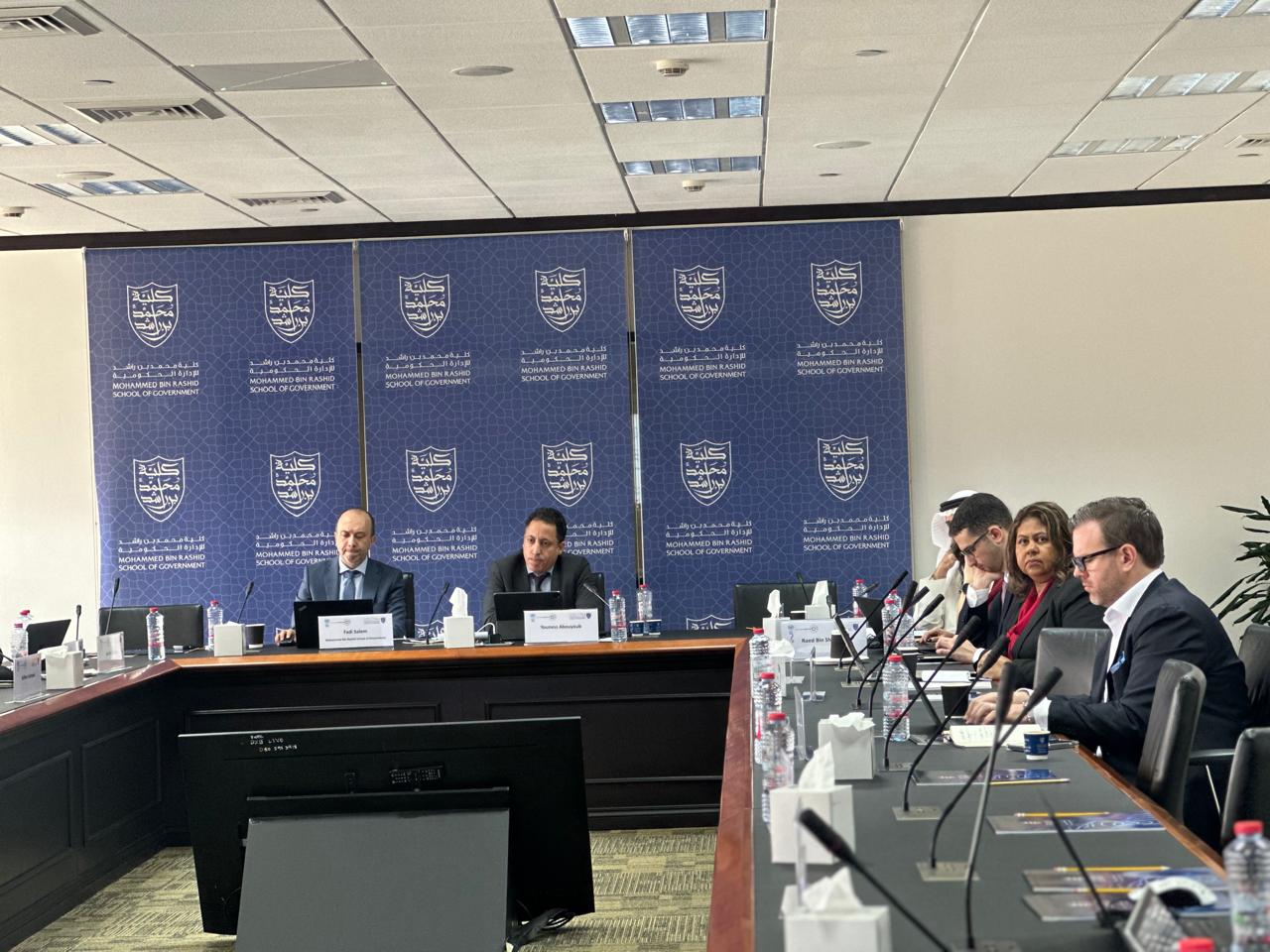
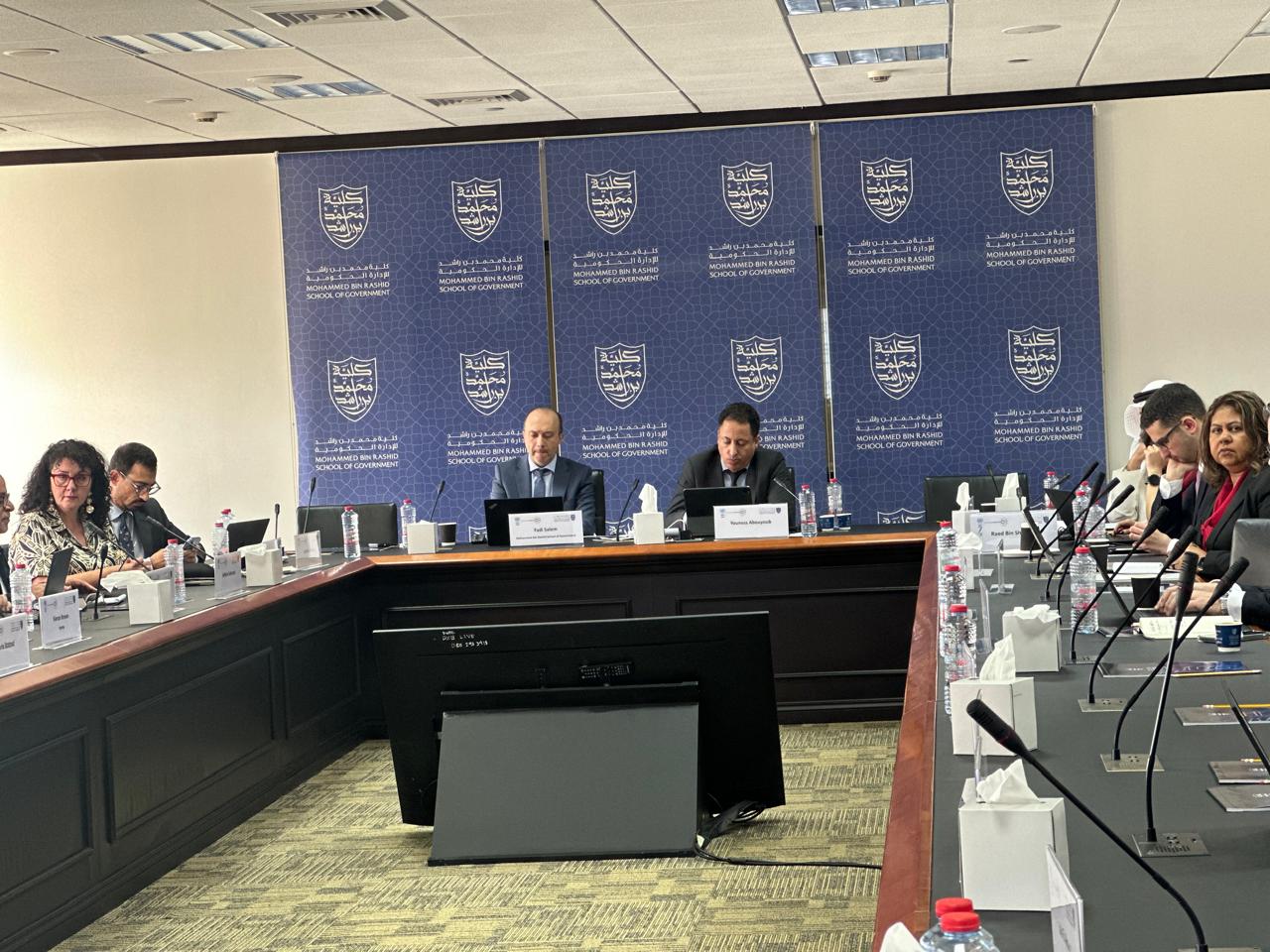
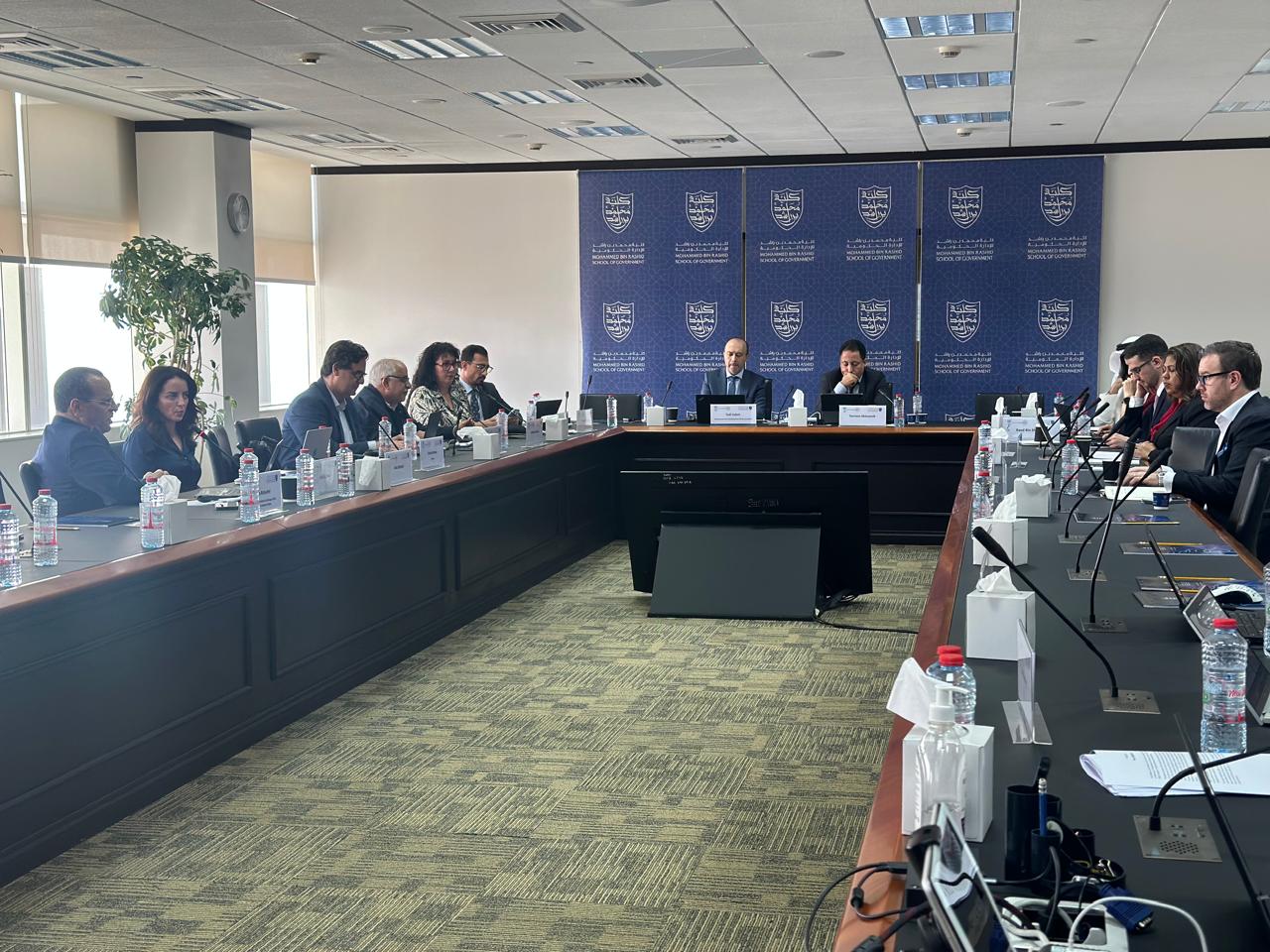
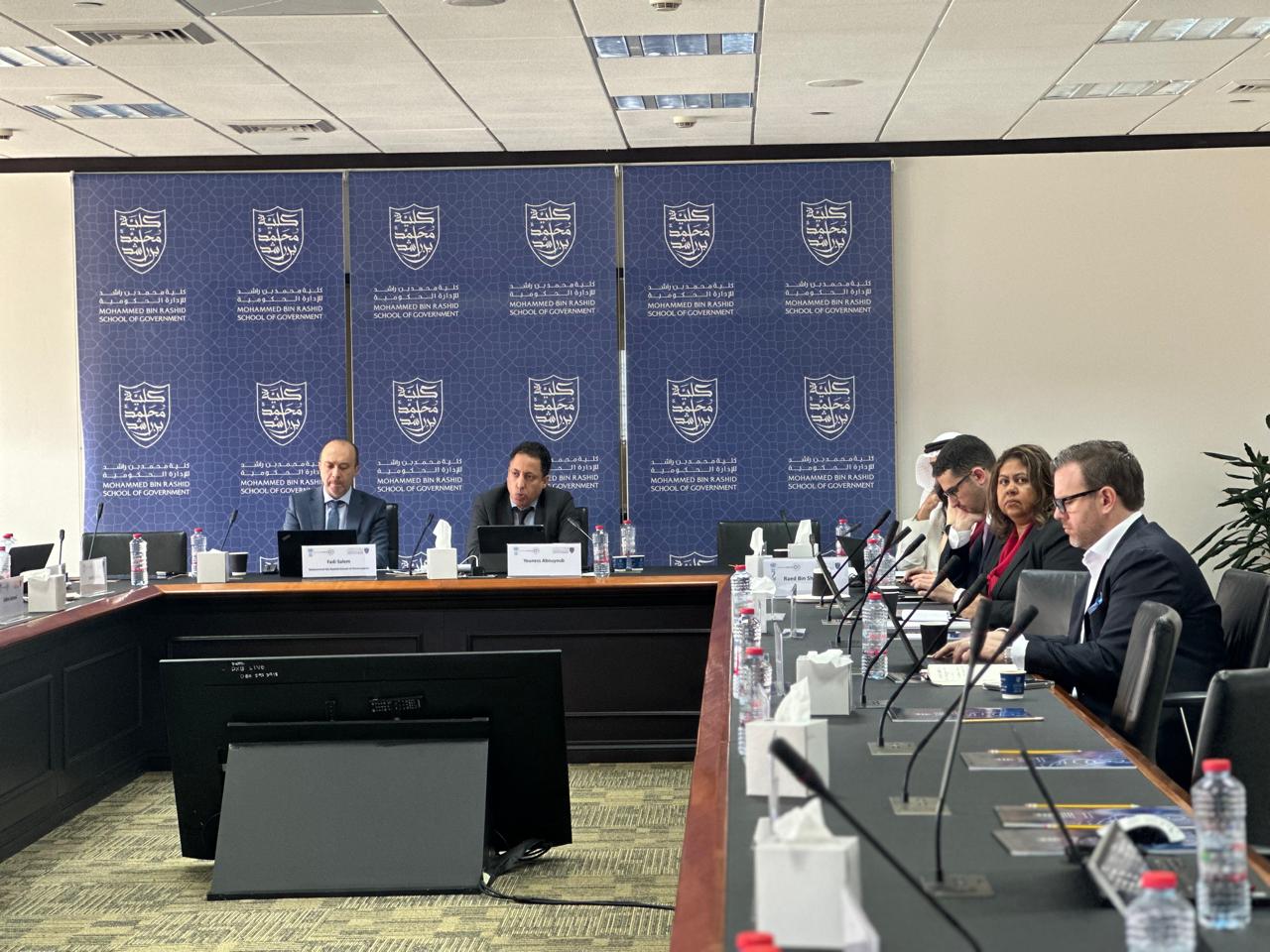
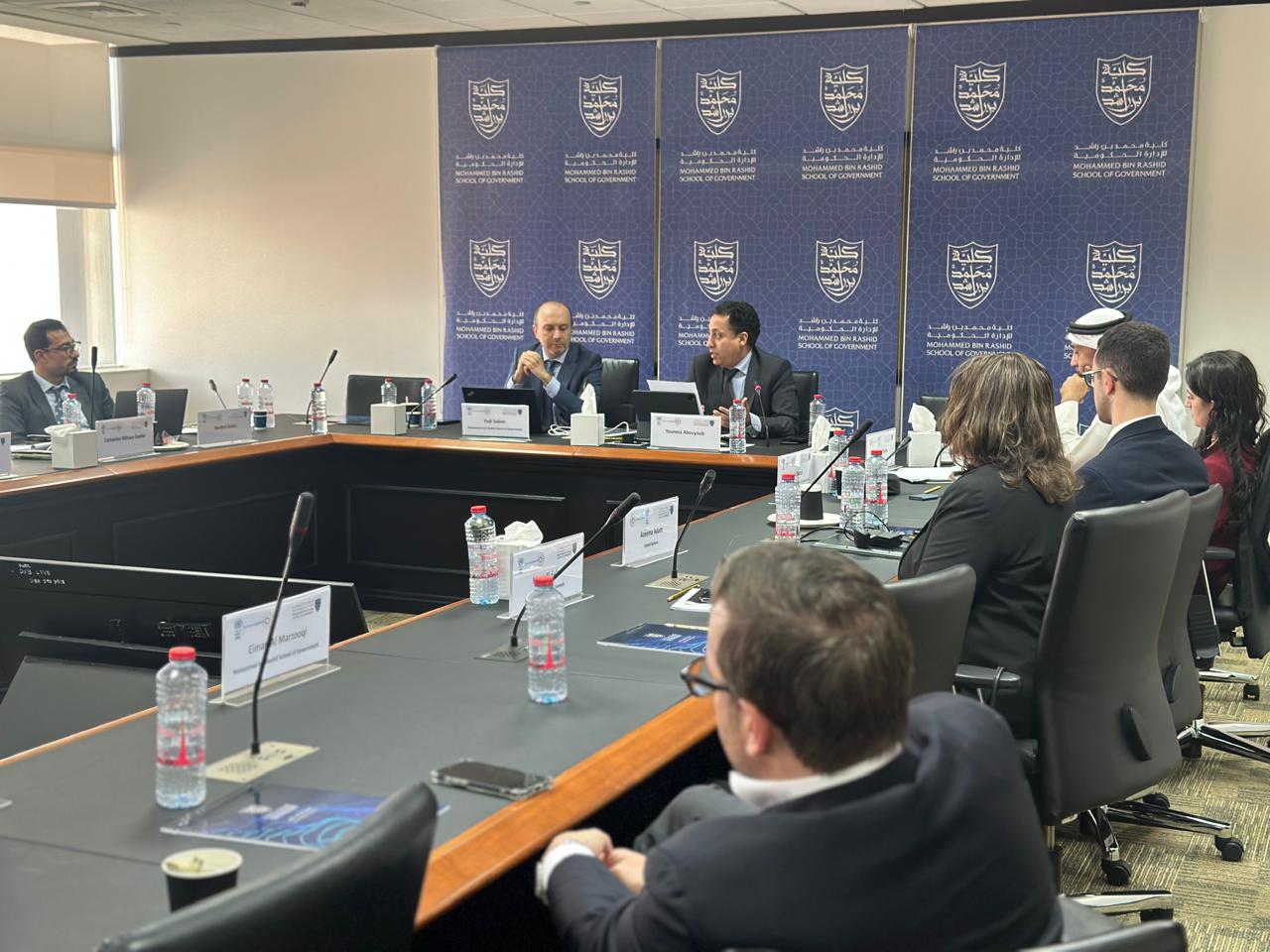
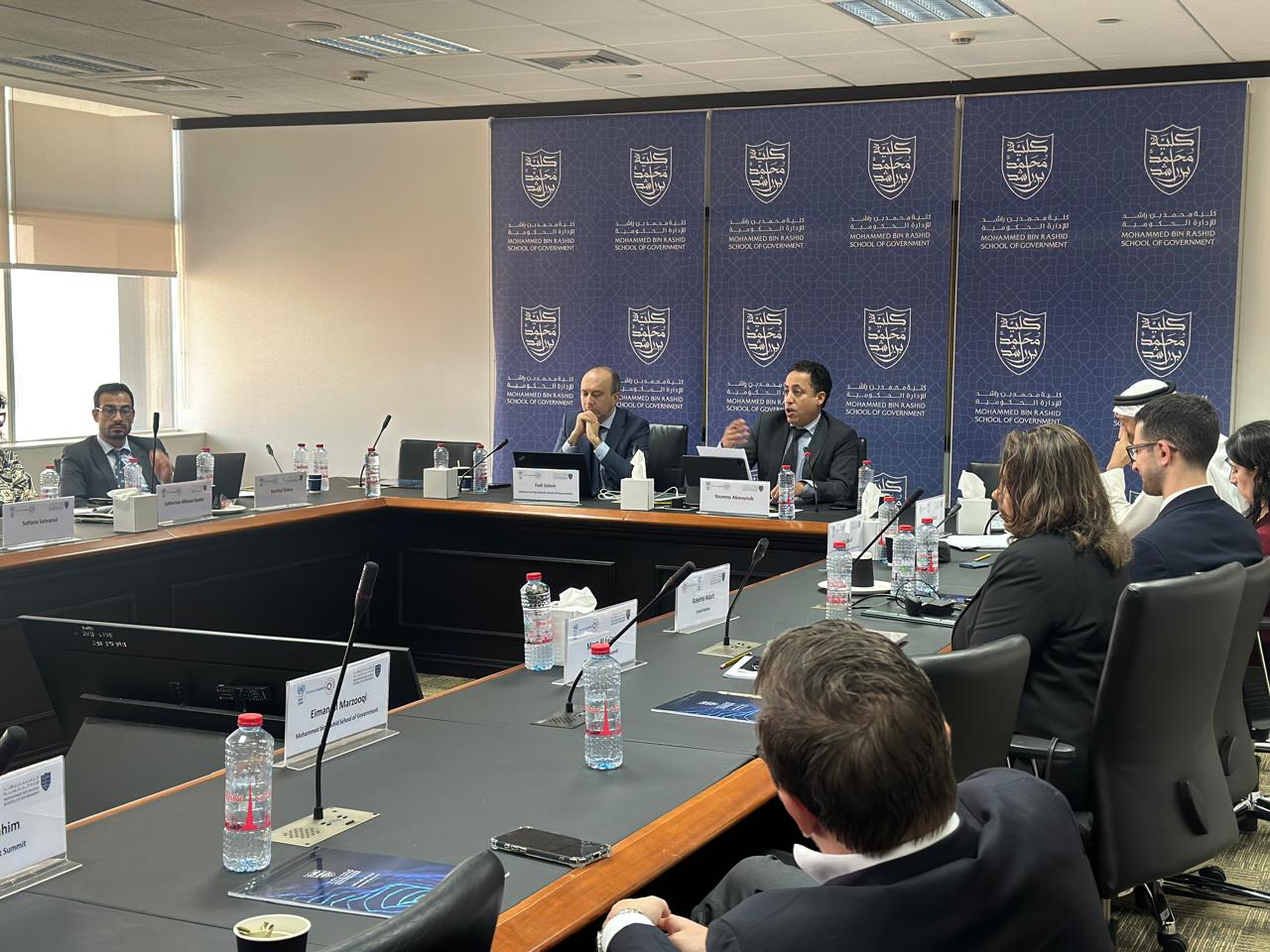
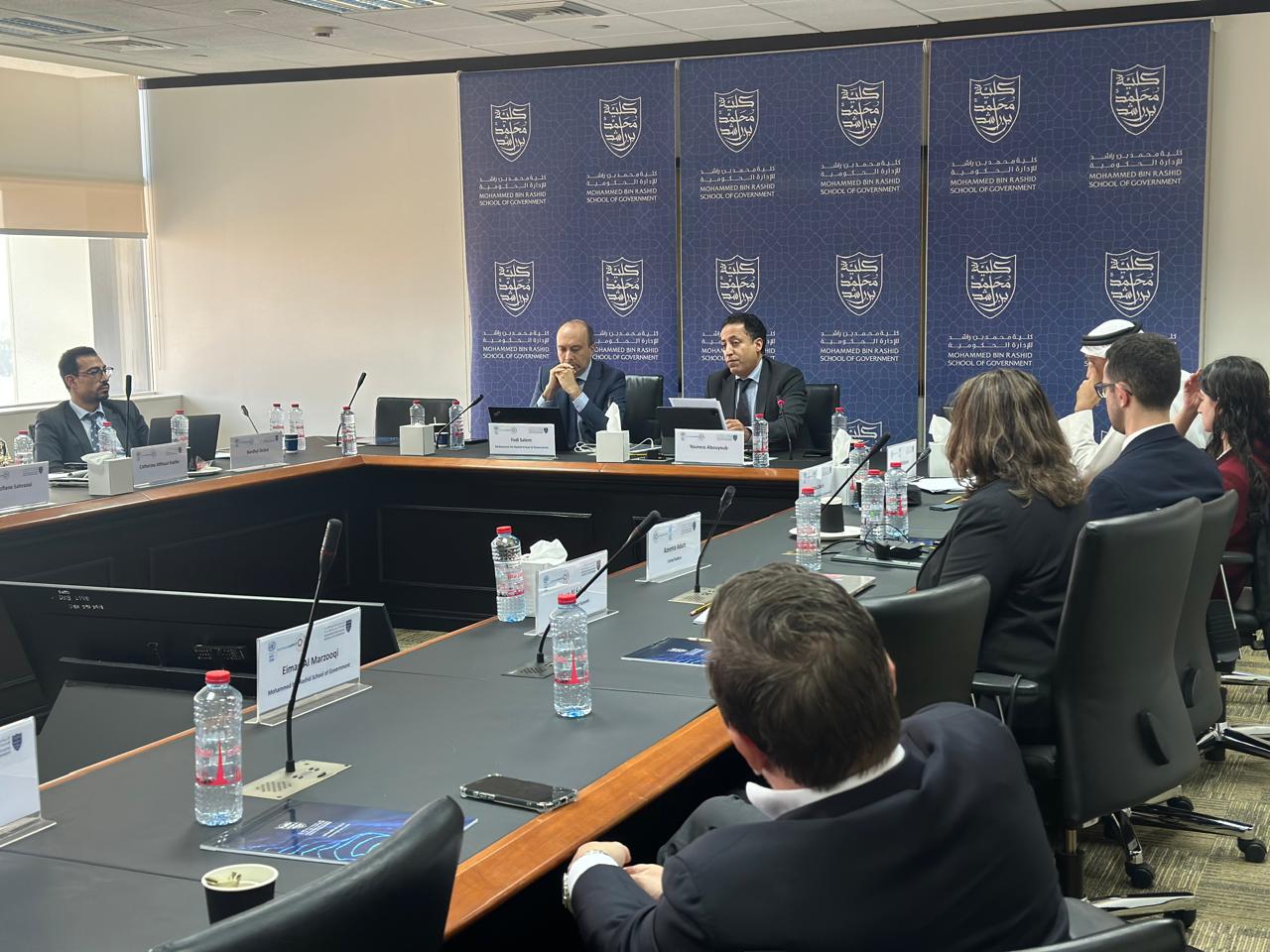
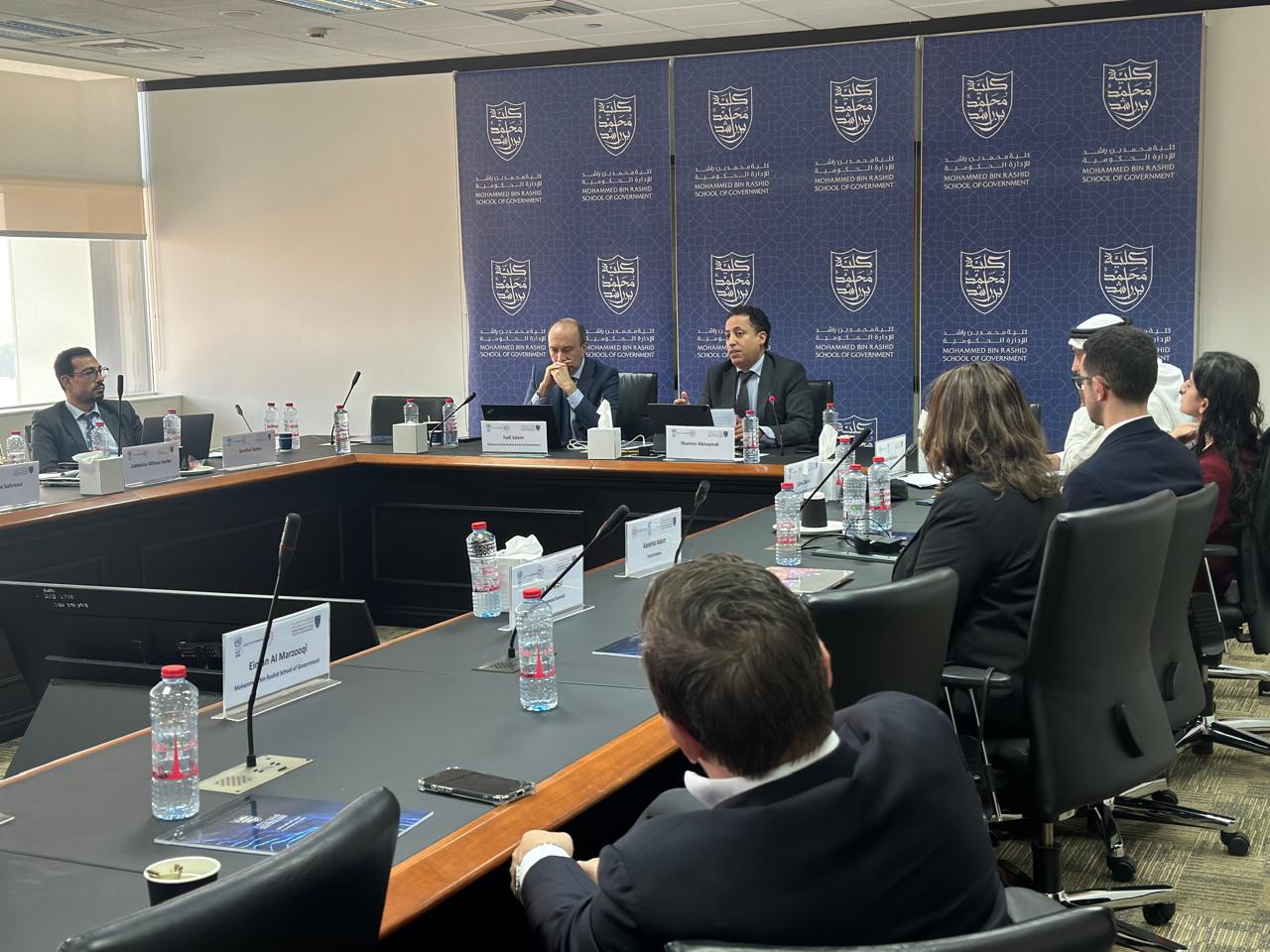
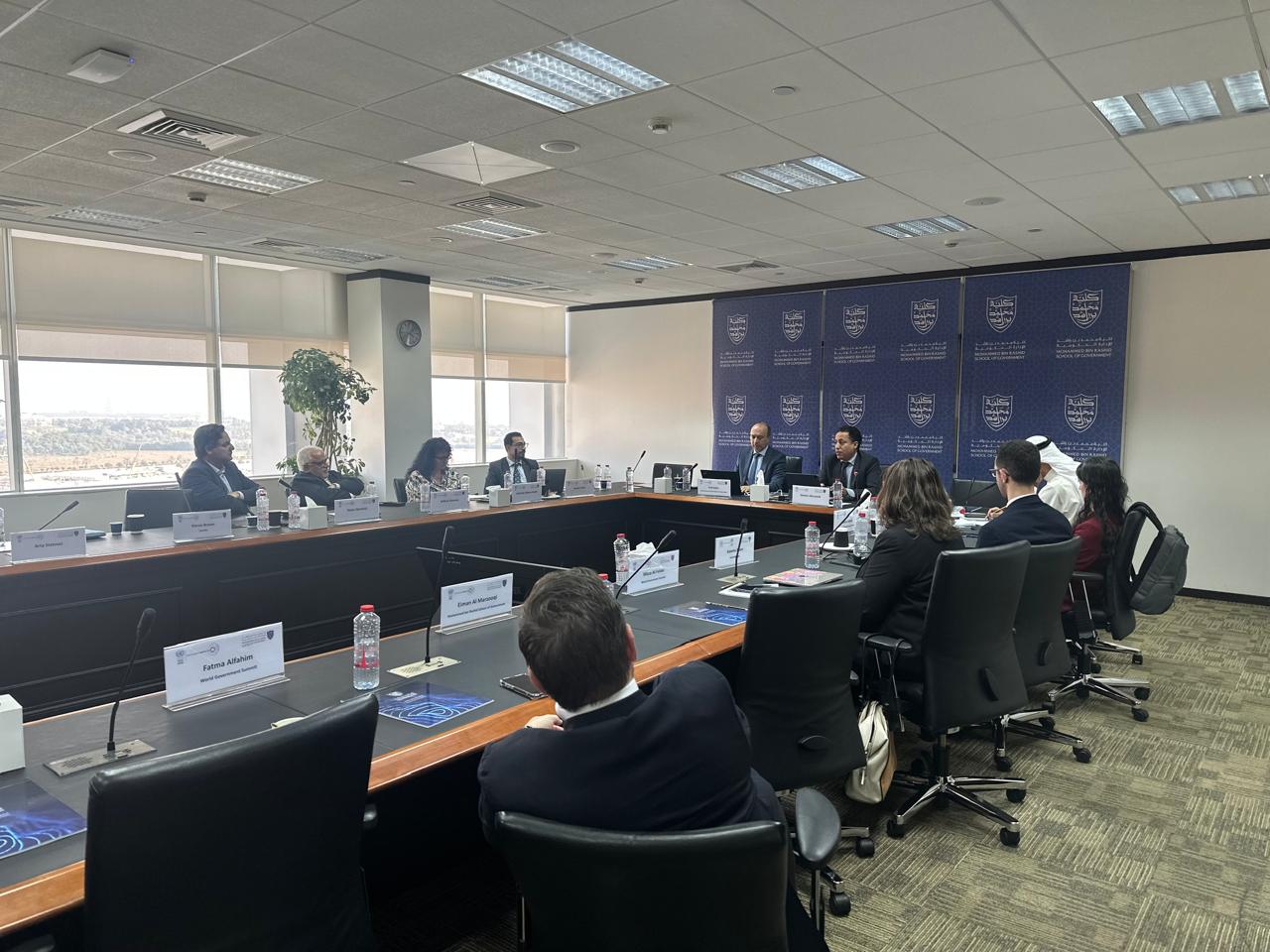
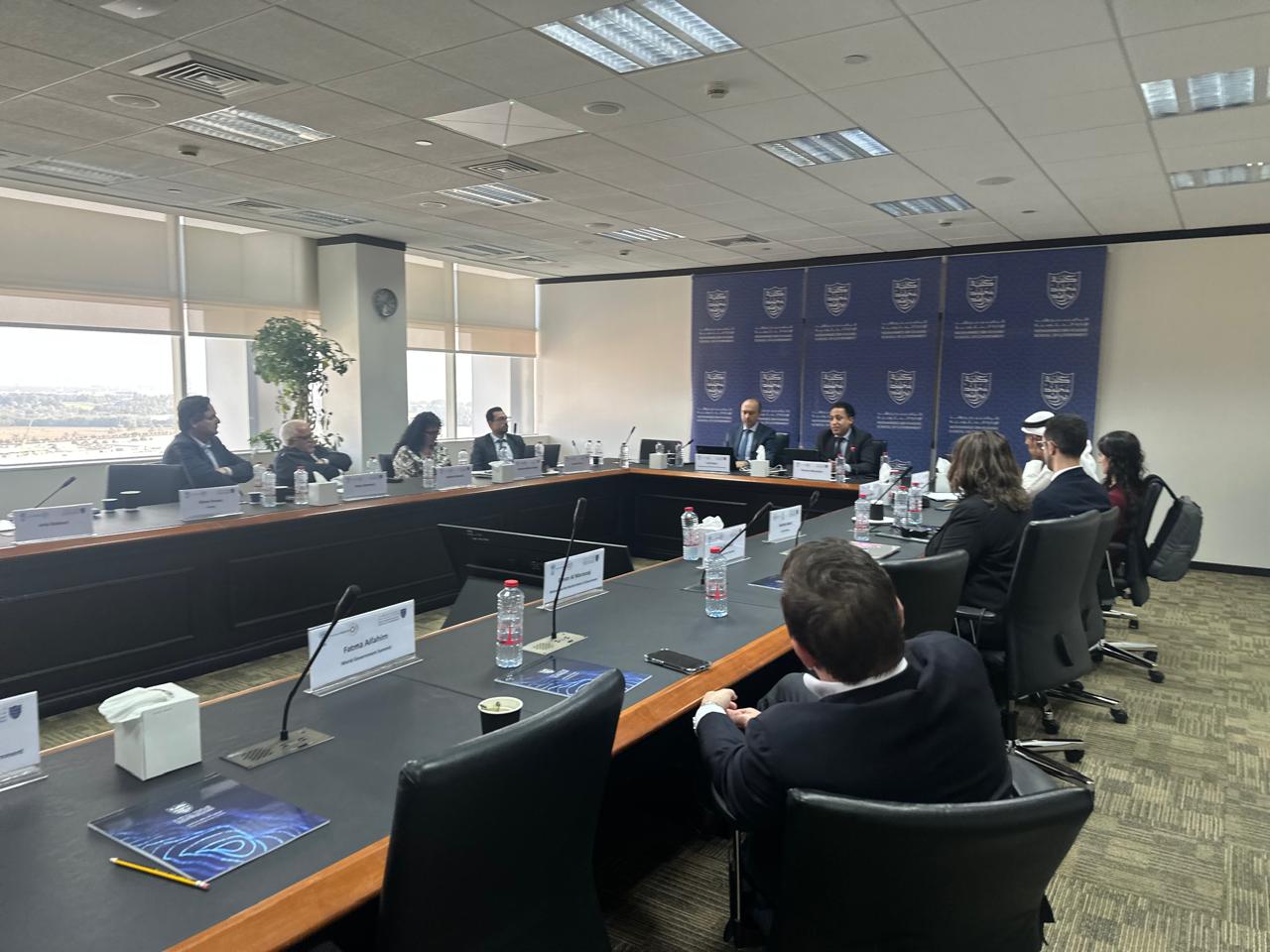
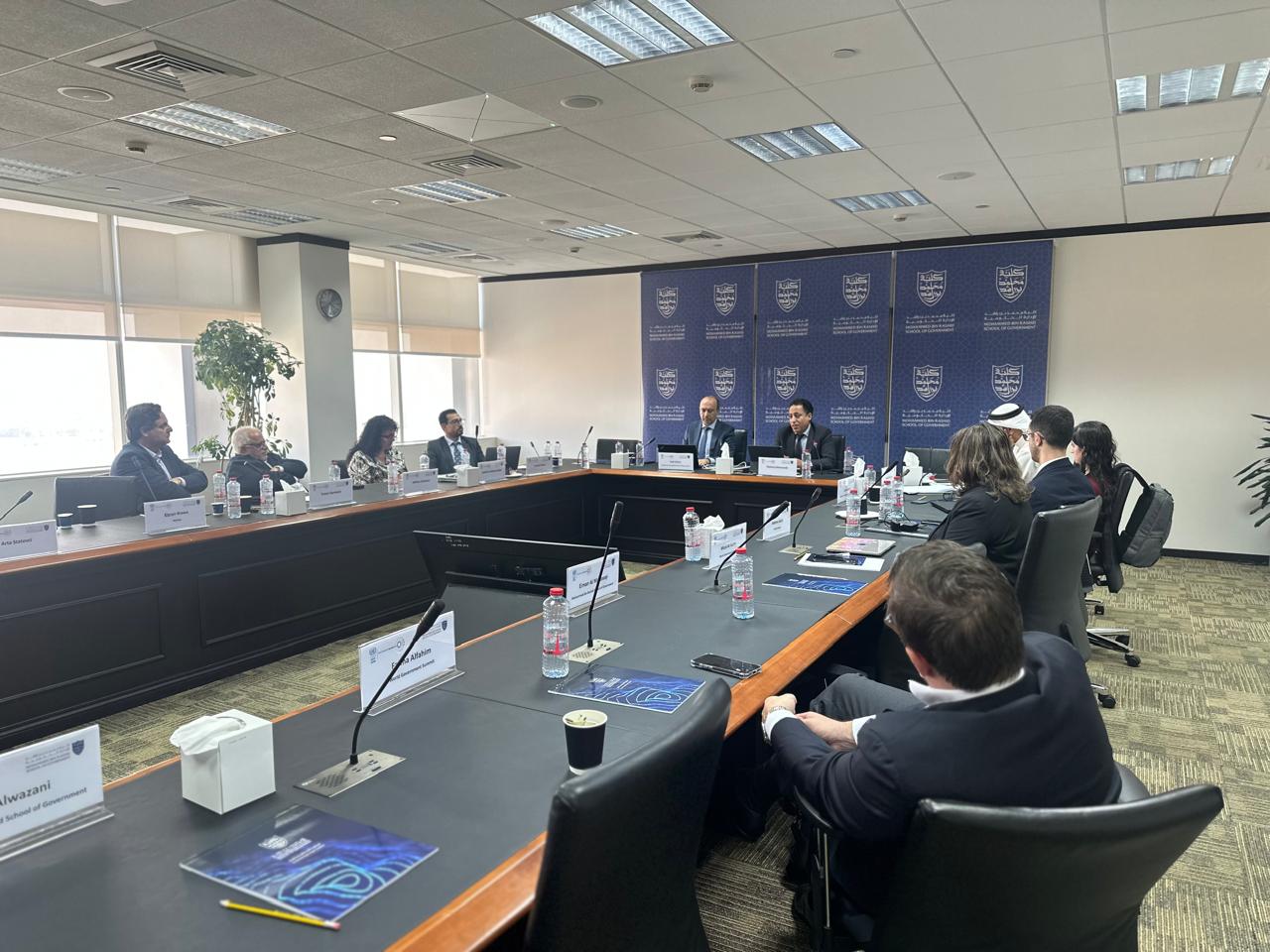
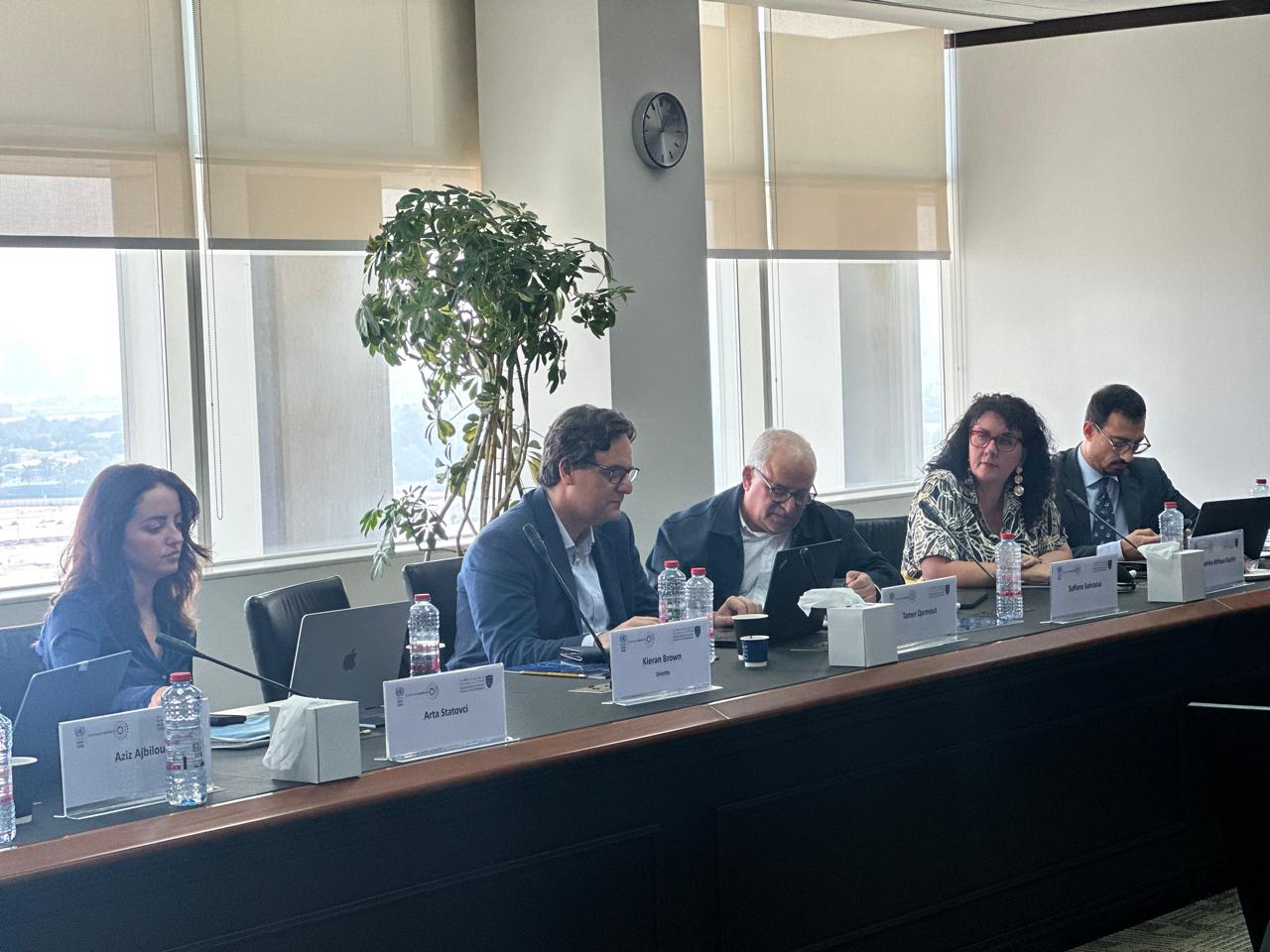
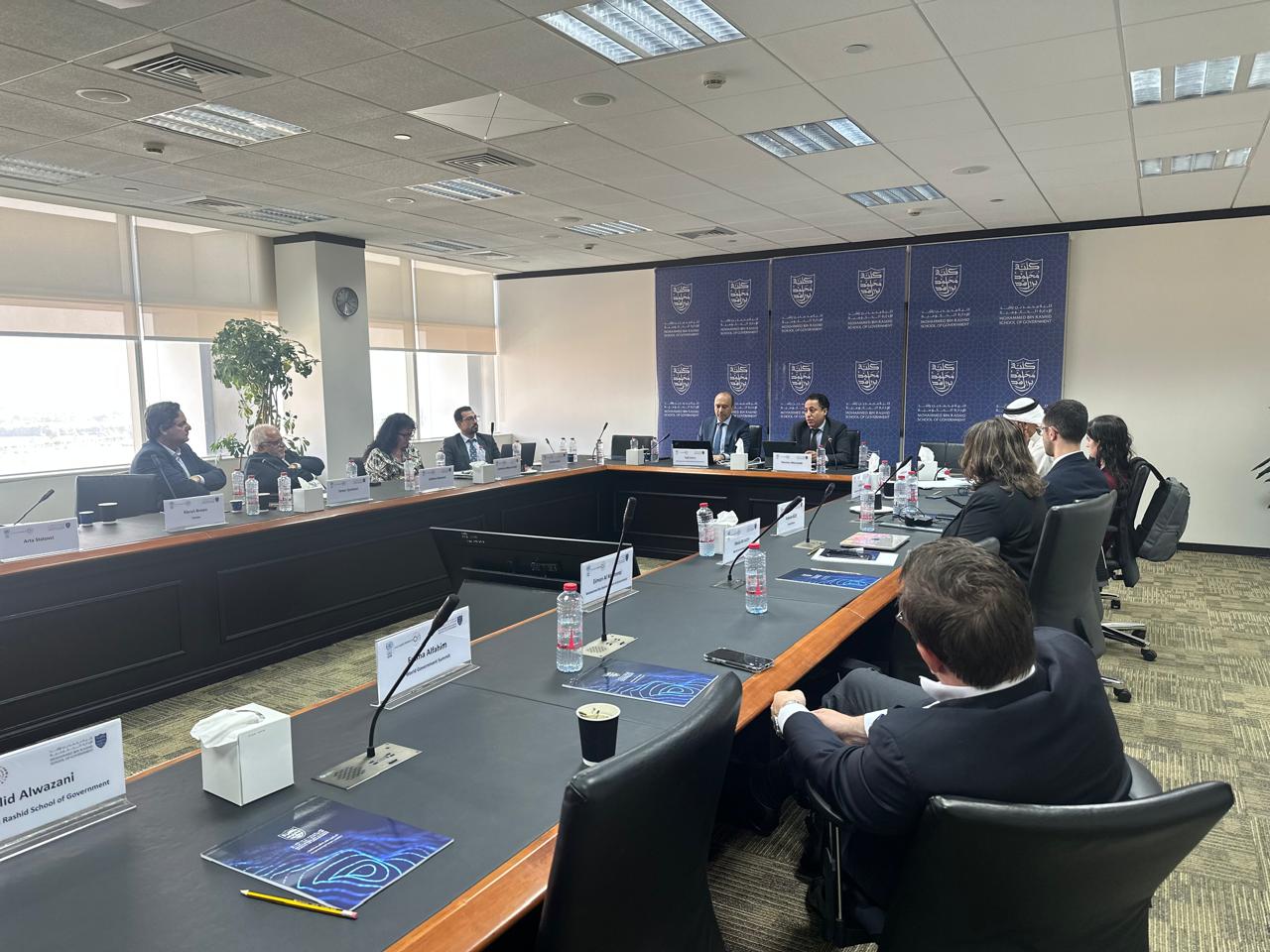
The second SDG 16 Conference: Future of Governance brings together experts to discuss the rapid transformation of governance systems worldwide due to technological advancements, shifting geopolitical dynamics, climate change, recurring manifold crises, and evolving societal expectations. 

Experts are set to develop a report that explores how governance models might evolve over the coming decades and beyond, identifying key trends, risks and opportunities. By examining alternative governance models (from digital democracy to AI-augmented policymaking), the report aims to inform policymakers, researchers and civil society in preparing for future governance challenges. 

The objectives of the conference include:

  • Analysing current disruptions in governance;
  • Exploring emerging governance models;
  • Assessing the role of technology in shaping future governance;
  • Examining geopolitical shifts and their impact on global governance structures;
  • Identifying key risks and policy responses;
  • Proposing scenarios for governance in 2030–2050.   

Outcome document

The conference emphasized that governments are entering a new era shaped by artificial intelligence and data-driven transformation. While global power once relied on institutions and military force, it now depends on technology and algorithms. Public sectors must adapt by digitizing operations, redefining governance, and preparing for rapid change. Lessons from Ukraine and COVID-19 show the need for resilient, digital administrations. Examples on e-government demonstrate how technology can enhance citizen participation, but AI also raises concerns over ethics, transparency, and control. Participants highlighted data as the foundation of modern governance—vital for accountability, evidence-based policy, and economic growth—though many MENA countries face institutional and human capacity challenges. In the Arab region, key forces such as youth expectations, post-oil transitions, and digital sovereignty will shape future governance amid risks of inequality, authoritarian digitalization, and declining trust. Strategic priorities include foresight, agile regulation, digital skills, and regional cooperation. Public–private partnerships can support diversification if paired with transparency and citizen trust. Ultimately, the conference concluded that innovation must strengthen public value and the social contract, ensuring governance remains inclusive, ethical, and resilient in the digital age.

arrow-up icon
Feedback