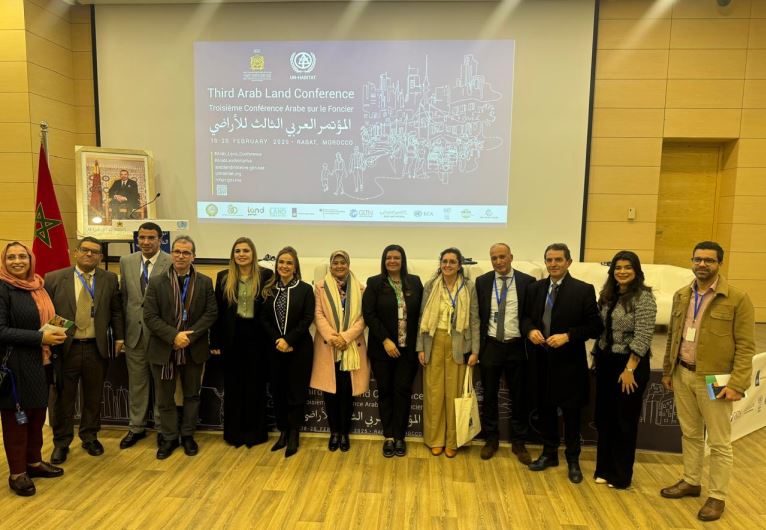
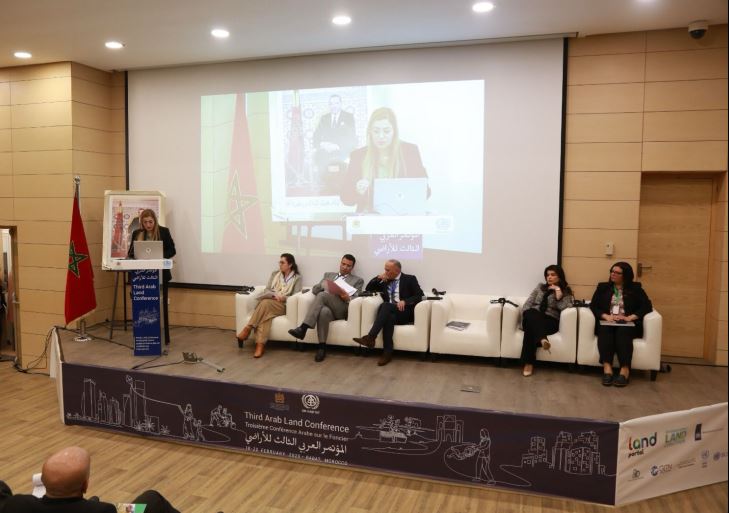
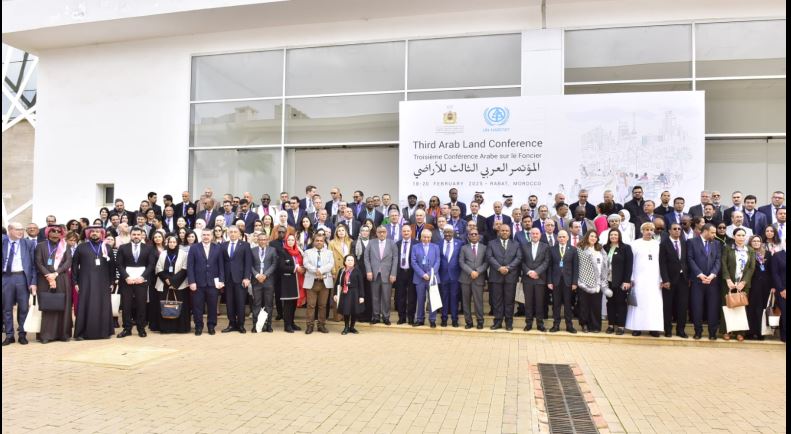
18-20 February 2025
10:00–16:00
Beirut time
Conference

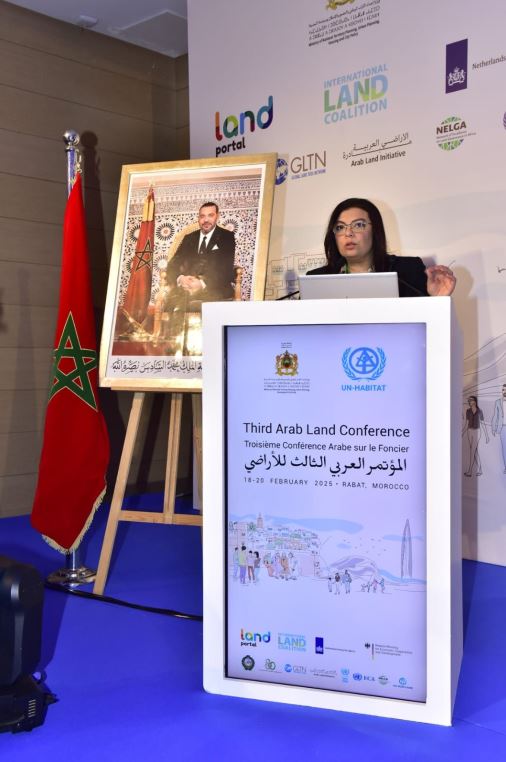
The Third Arab Land Conference

Location
  • Rabat, Morocco
Contact information
Event microsite icon
Share

The Arab Land Conference is a major regional event that brings together stakeholders to address governance challenges and opportunities on land in the Arab region. The conference focuses on promoting sustainable land management, improving land rights access, and strengthening cooperation between Governments, civil society, the private sector, and international organizations. 

After the success of the previous two editions in Dubai 2018 and Cairo 2021, the third edition is a platform to highlight countries' experiences, present new research, share knowledge, and promote high-level commitment to improving land management. It also aims to empower and develop the capacities of actors in the region's land sector and strengthen cooperation and coordination in this area.


Outcome document

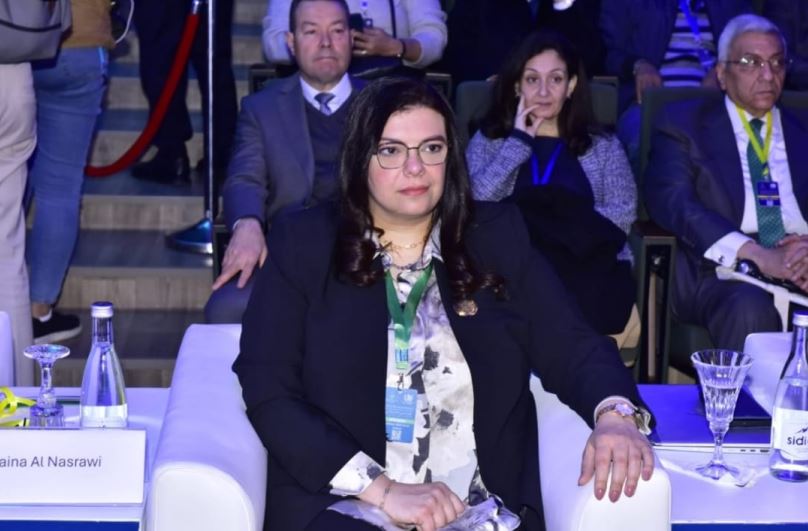
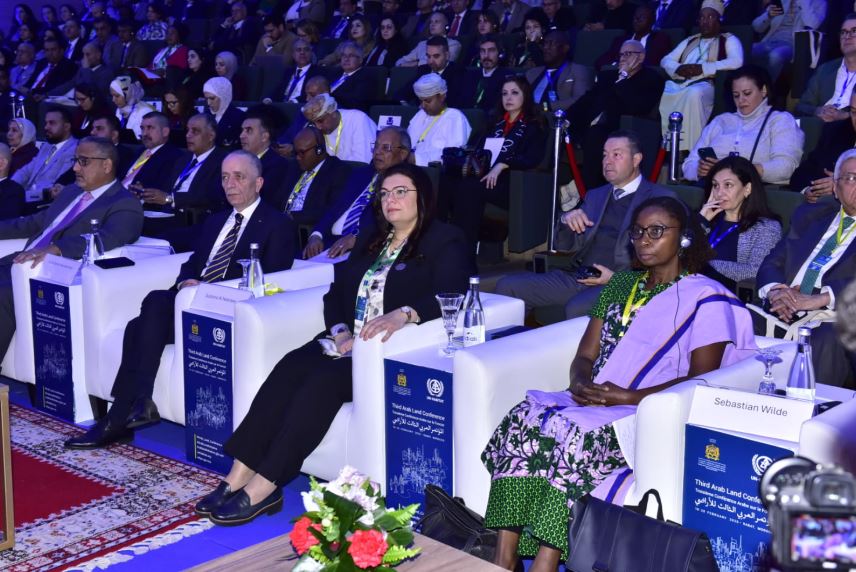
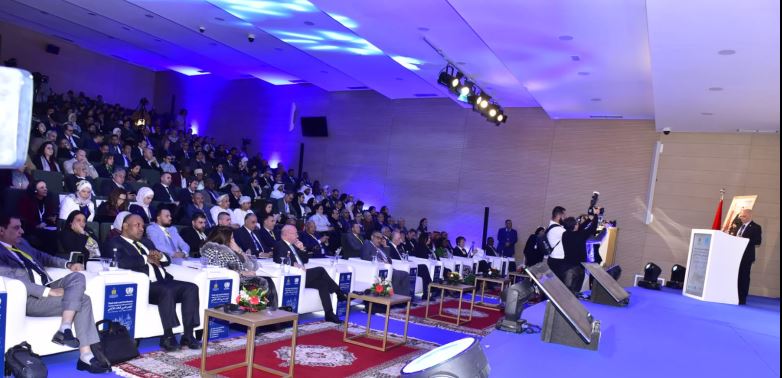
The Third Arab Land Conference highlighted the critical role of land governance in fostering investment, resilience, and innovation. With over 700 participants and 40+ sessions, key discussions focused on smart land management, property rights in crises, women's land ownership, urban transformation, food security, climate action, private sector engagement, and land-based financing. ESCWA played a central role in shaping high-level discussions, contributing to policy dialogues and conference outcomes. A joint declaration called for collective action to advance inclusive, sustainable, and innovative land solutions across the Arab region.

  • Design sustainable and inclusive land-based investment strategies
  • Develop policy and legislation for sustainable, adequate, and affordable housing and informal settlement regularization
  • Improve the generation, analysis, and sharing of data related to land and housing
  • Develop integrated land use policies that support food security, rural development, and rural transformation
  • Advocate for the inclusion of gender-responsive land governance in national and regional policy frameworks
  • Identify areas where private sector involvement can significantly improve land governance and housing development.
  • Enhance the influence of land professionals in shaping land policy and governance.
  • Establish platforms for collaboration between civil society organizations, youth, and governments to foster more inclusive land governance practices.
  • Strengthen the role and capacity of academic institutions and researchers in addressing land governance challenges in the Arab world.

Related news

arrow-up icon
Feedback