Policy briefs
Advancing the Implementation of the Global Compact on Migration in the Arab Region: Progress and priorities on the road to the 2026 International Migration Review Forum
December 2025
Supporting Arab countries to enhance their governance models
2017 – Ongoing

The Arab region faces persistent governance challenges that hinder inclusive development and slow progress towards the Sustainable Development Goals (SDGs), particularly SDG 16 on peace, justice and strong institutions. Weak governance structures also exacerbate vulnerabilities during crises, conflicts and post-conflict recovery, limiting the capacity of countries to respond effectively and ensure development outcomes.
To build resilient governance systems, inclusive political reform, effective crisis management, and post-conflict institutional rehabilitation are essential. Tackling these structural governance gaps is critical for fostering accountable, transparent and responsive institutions, which lay the groundwork for achieving inclusive and sustainable development across Arab countries.
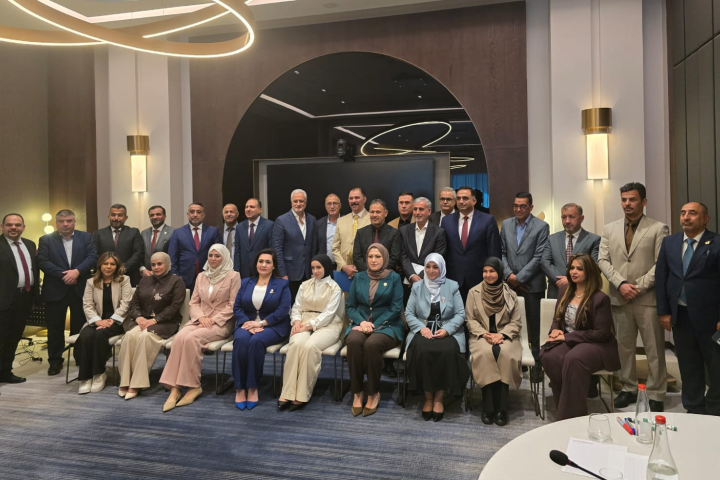
ESCWA supports member States in strengthening governance and institutional capacity through a holistic and multi-dimensional approach. It provides substantive analysis, policy advice, technical assistance, capacity-building and knowledge sharing. Its approach includes promoting national dialogue and consensus-building and facilitating regional and international governance collaboration.
ESCWA also disseminates best practices and implements innovative technical cooperation projects, particularly in crisis-affected and least developed countries, and in post-conflict settings, to enhance Governments’ capacities to respond to emerging crises.
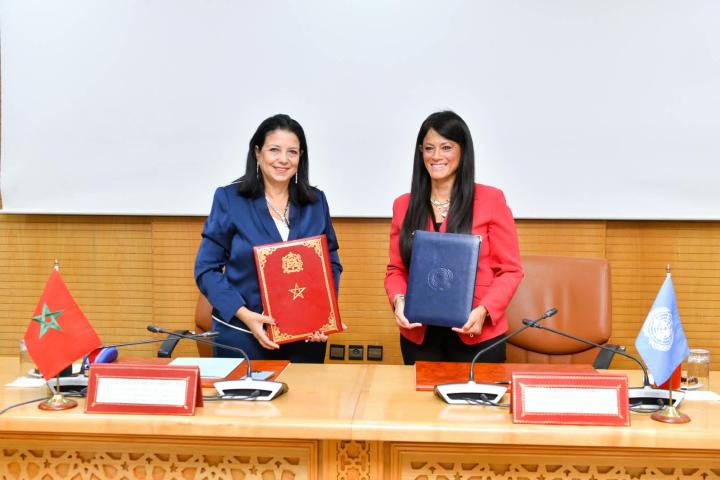
ESCWA collaborates with a wide range of regional and international partners to advance public administration modernization, digital governance, and institutional development in the Arab region. These include:
ESCWA provides tailored support to Arab countries to develop and implement policies and strategies that enhance transparency, digital government, and public service delivery. It also develops analytical frameworks, flagship publications, and assessment tools, including the Arab Governance Report and the Public Administration Index, to provide region-specific analysis, assess public administration performance, promote data and knowledge exchange, and inform evidence-based policymaking.
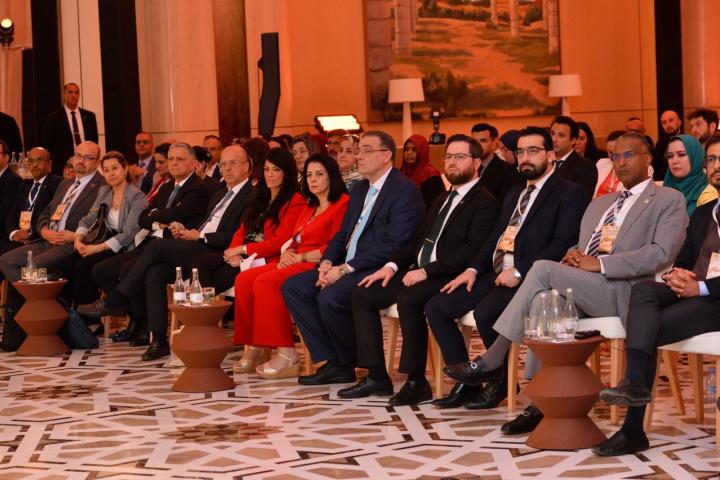
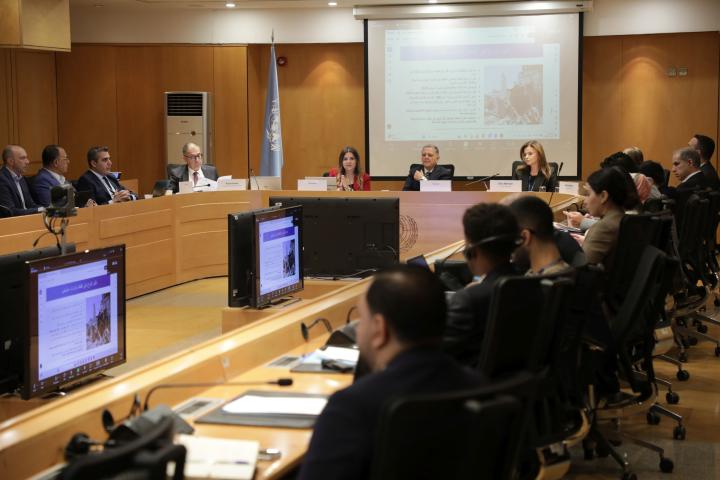
To foster peer learning and regional cooperation, ESCWA organizes national and regional workshops, policy dialogues, forums and conferences, including the Arab Forum for the Modernization and Development of Public Administration and the annual conference on SDG 16. Additionally, ESCWA promotes South–South and triangular cooperation, and supports anti-corruption, transparency and integrity initiatives in line with SDG 16. It also delivers targeted capacity-building and advisory services to least developed and conflict-affected countries.


 UN House - Beirut