Information material
Proposed job competency framework implementation guide for senior public servants: State of Palestine
October 2024
Supporting the Palestinian people to realize their rights to self-determination and development
2003 – Ongoing
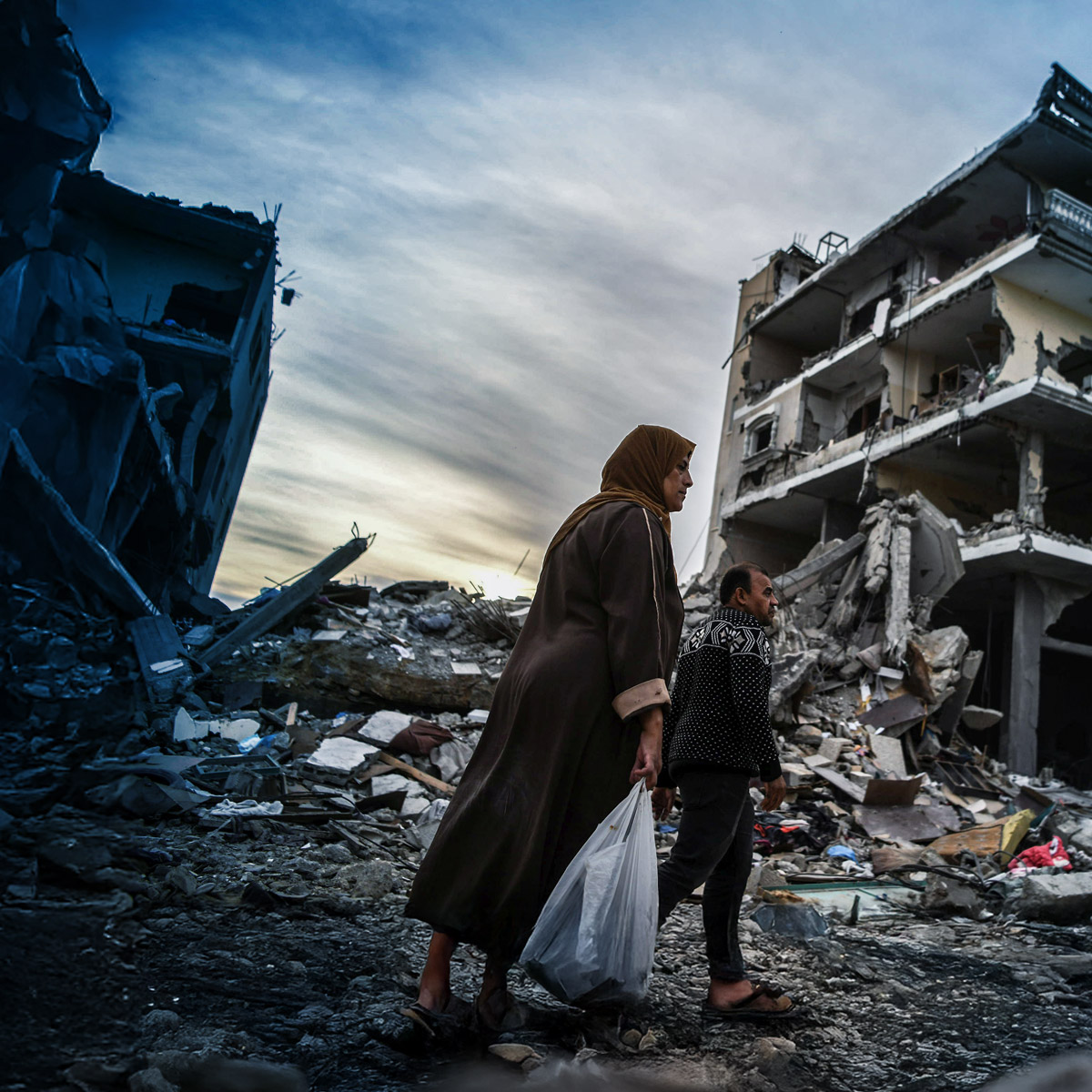
Almost six decades have passed since Israel occupied the Palestinian territory and has been employing policies and practices that aim to entrench its control of the land and domination over the people. Even before the Gaza war erupted in October 2023, coupled with the Israeli escalation in the West Bank, Israeli policies and practices had an accumulated detrimental, multilayered and intergenerational impact on Palestinian society, economy and environment. The Palestinian people thus face mounting dire social and economic conditions including humanitarian crises, de-development, destruction of economy and increasing dependency on external humanitarian and development aid.
ESCWA is mandated to support the Palestinian people and their institutions to attain inalienable rights, including their rights to self-determination and to development. The Commission has been monitoring and reporting on Israeli policies and practices in the occupied Palestinian territory and their economic and social repercussions. ESCWA has been seeking to enhance Palestinian capacities to mitigate and overcome these repercussions, exploring new avenues through which it can support Palestinian efforts to attain their inalienable rights.
ESCWA’s approach is two-tiered:
The first tier is assisting Palestinians in their efforts to exercise their inalienable rights. In this respect, ESCWA produces, compiles and disseminates information to various actors in different States and organizes events and assists Palestinians to raise awareness of their plight and mobilize support.
The second tier is mitigating the social and economic impact of the Israeli occupation. ESCWA assists Palestinian institutions and other stakeholders to develop tools and capacities based on a deeper understanding of the Palestinian context. This enhances their abilities to contextualize development planning that aims to circumvent impediments created by the occupation.
Our partners include the 22 United Nations agencies, funds and programmes that comprise the United Nations Country Team in Palestine; the League of Arab States; the Arab Fund for Economic and Social Development; the Government of the State of Palestine (Office of the Prime Minister, Palestinian Central Bureau of Statistics and Permanent Observer Mission to the United Nations); Birzeit University; the Palestine Economic Policy Research Institute-MAS; the Palestinian Policy Network (Al-Shabaka); Pal-Think For Strategic Studies; the Institute for Palestine Studies; the Welfare Association; academic institutions and civil society actors; United Nations Division for Palestinian Rights (UNISPAL) and the Department for Political and Peacebuilding Affairs' (DPPA)
ESCWA periodically reports to its member States about the situation in the occupied Palestinian territory and seeks to address Palestinian needs and document Israeli policies and practices, particularly those that violate international law.
ESCWA also produces analyses about Israeli policies and practices, and their social and economic impact on the living conditions of Palestinians and on the economic and social sectors. Additionally, ESCWA uses the normative work it produces to develop awareness-raising materials and capacity-building tools.
ESCWA seeks to mobilize support to Palestinians through events such as the annual observance of the International Day of Solidarity with the Palestinian people (29 November).


 Center for Conflict and Humanitarian Studies, Doha, Qatar