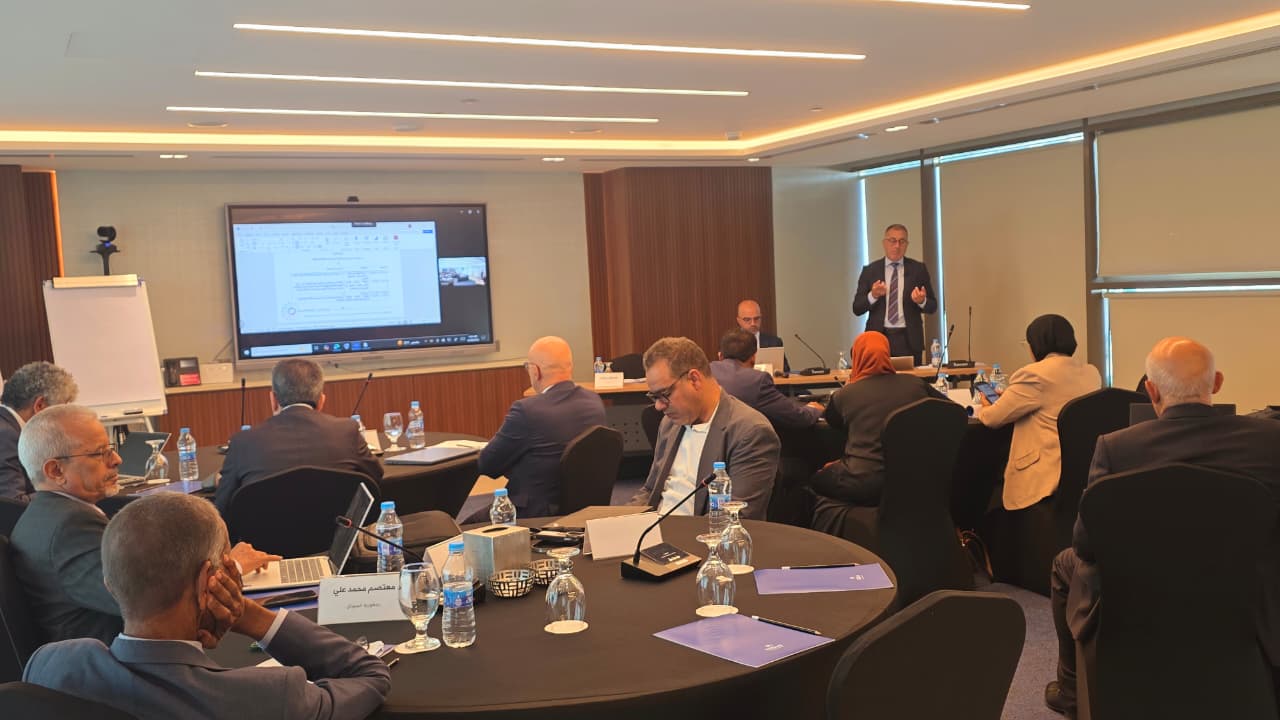
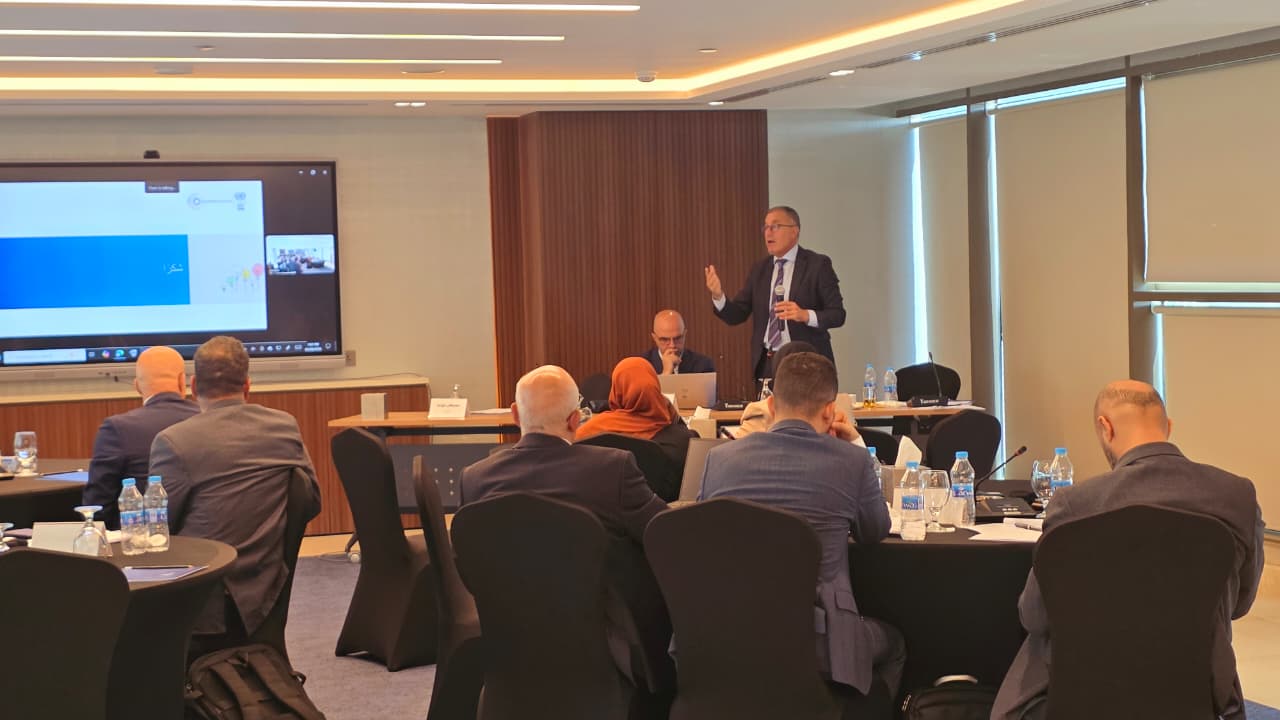
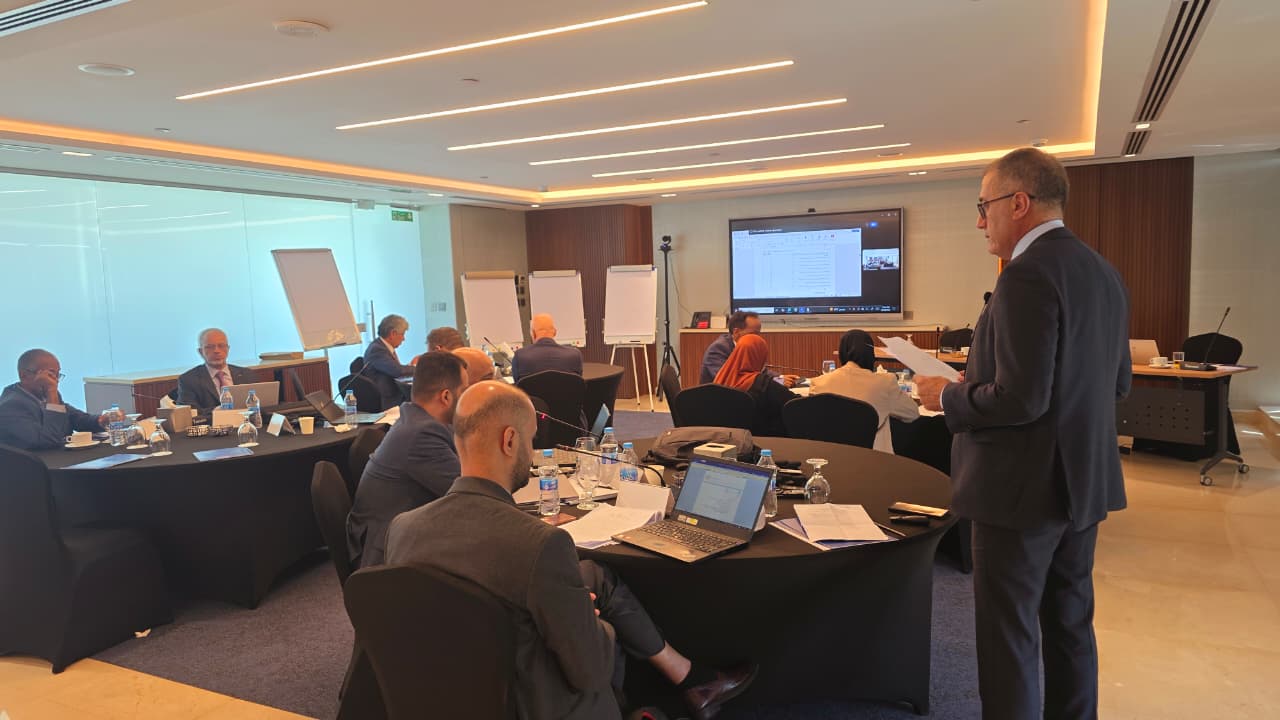
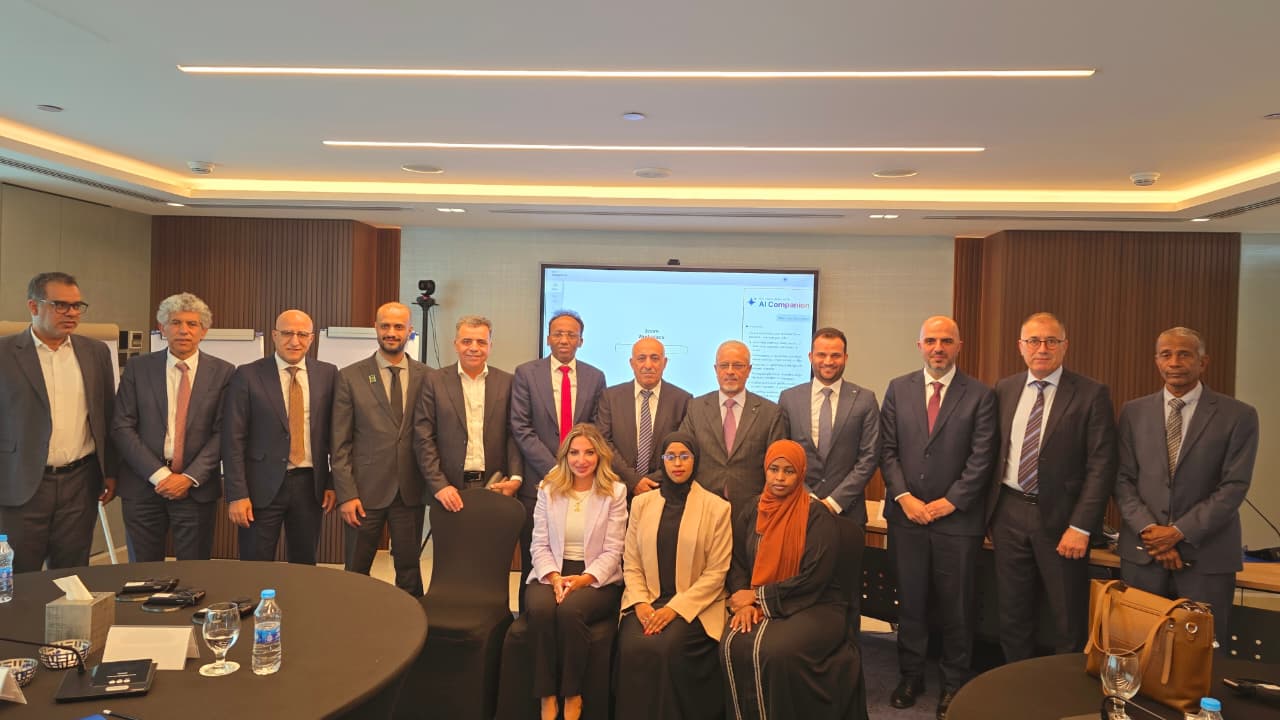
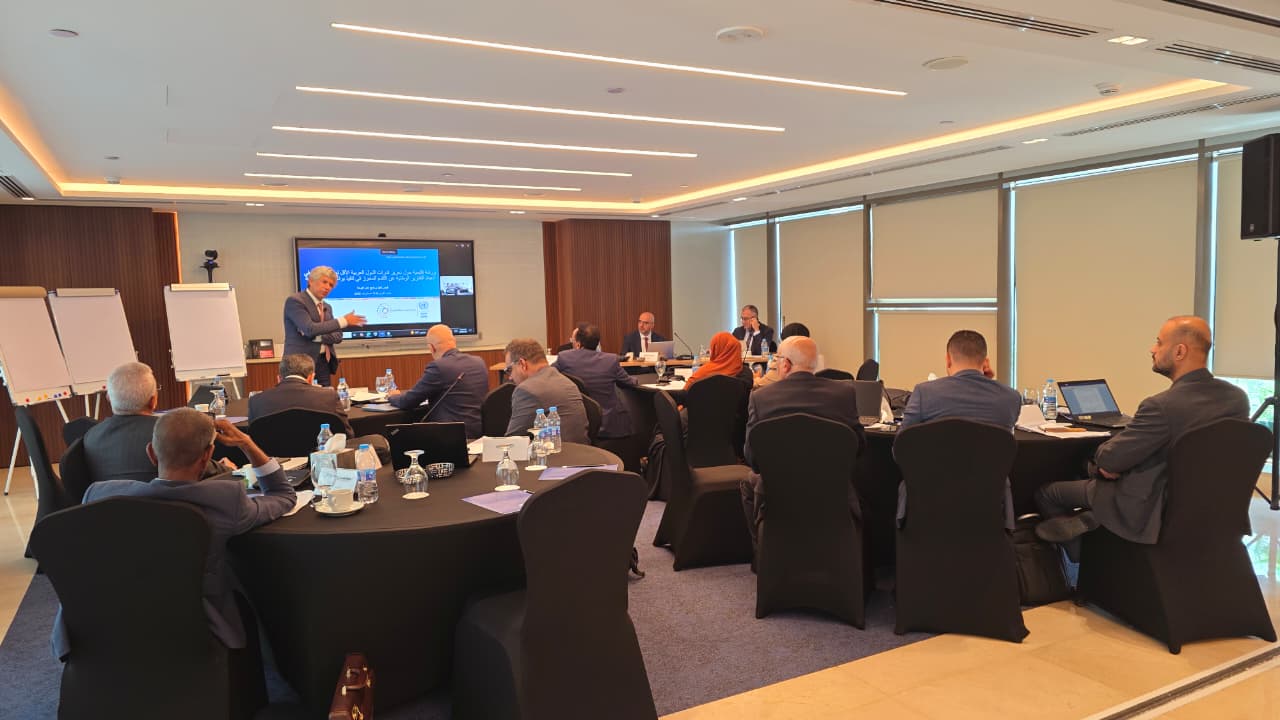
The proceedings of the regional workshop, organized by the Economic and Social Commission for Western Asia (ESCWA) from 4 to 5 August 2026 in Amman, the Hashemite Kingdom of Jordan, in collaboration with the United Nations Office of the High Representative for the Least Developed Countries, Landlocked Developing Countries and Small Island Developing States (UN-OHRLLS) and the United Nations Economic Commission for Africa (ECA), were successfully concluded. The workshop was attended by national teams from the Arab least developed countries (LDCs) — Mauritania, Sudan, Somalia and Yemen — in addition to the State of Palestine.
The workshop contributed to enhancing participants' awareness of the requirements for implementing the Doha Programme of Action (DPoA), streamlined the methodology for monitoring and preparing national reports, and clarified the key milestones leading up to the midterm review of the DPoA, scheduled to take place in Doha in March 2027.
The workshop focused on the transition from institutional diagnostics to the establishment of a shared framework for implementation and follow-up. Deliberations and practical exercises underscored that the primary challenge no longer resides in the absence of national plans and strategies, but rather in the capacity to translate these into tangible outcomes on the ground. Participants characterized these exercises as having effectively transformed the perception of reporting from an "administrative burden" into a "tool for implementation and resource mobilization," while expressing their aspiration for the continuation of this practical approach in the forthcoming phase. In this context, participants identified their national priorities for the next three years, as well as key needs in the areas of data, monitoring, capacity-building and financing, in preparation for the midterm review and the subsequent phase.
The workshop concluded with an affirmation of ESCWA's pivotal role in following up on the implementation of the DPoA, providing technical support to the Arab LDCs, and preparing a unified Arab regional report that reflects progress achieved and challenges encountered, while contributing to the strengthening of the Arab voice in



 Baghdad, Iraq
