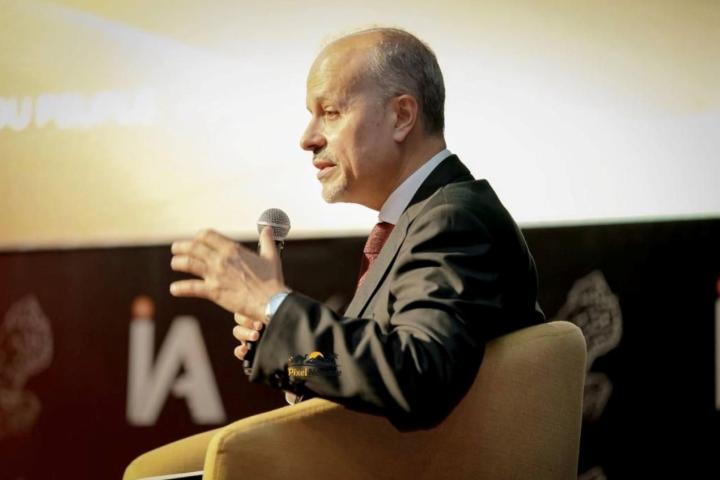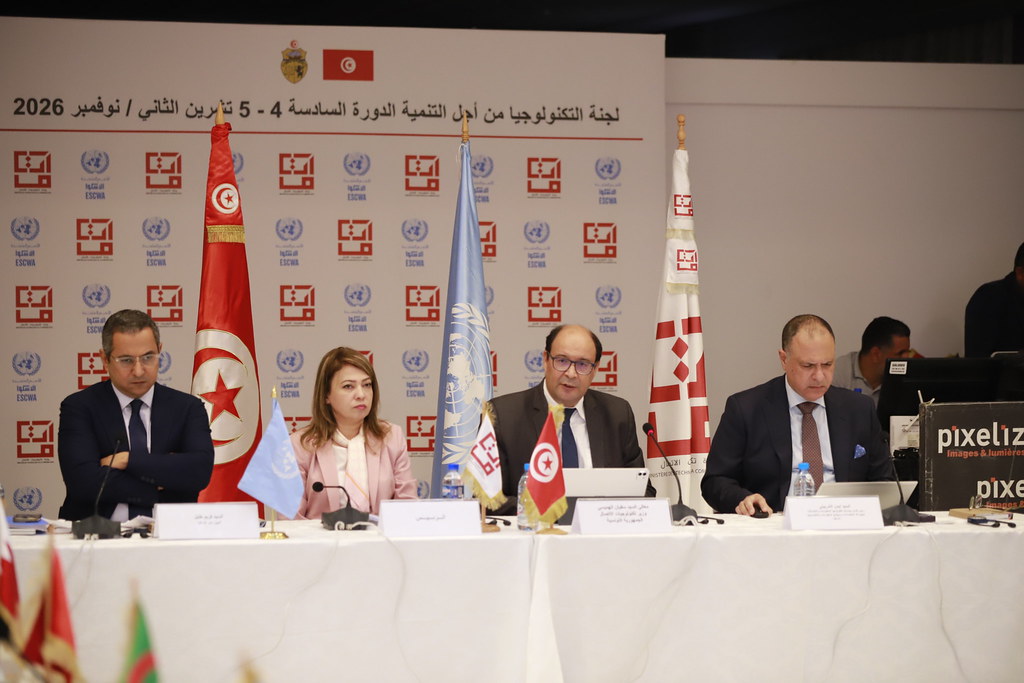
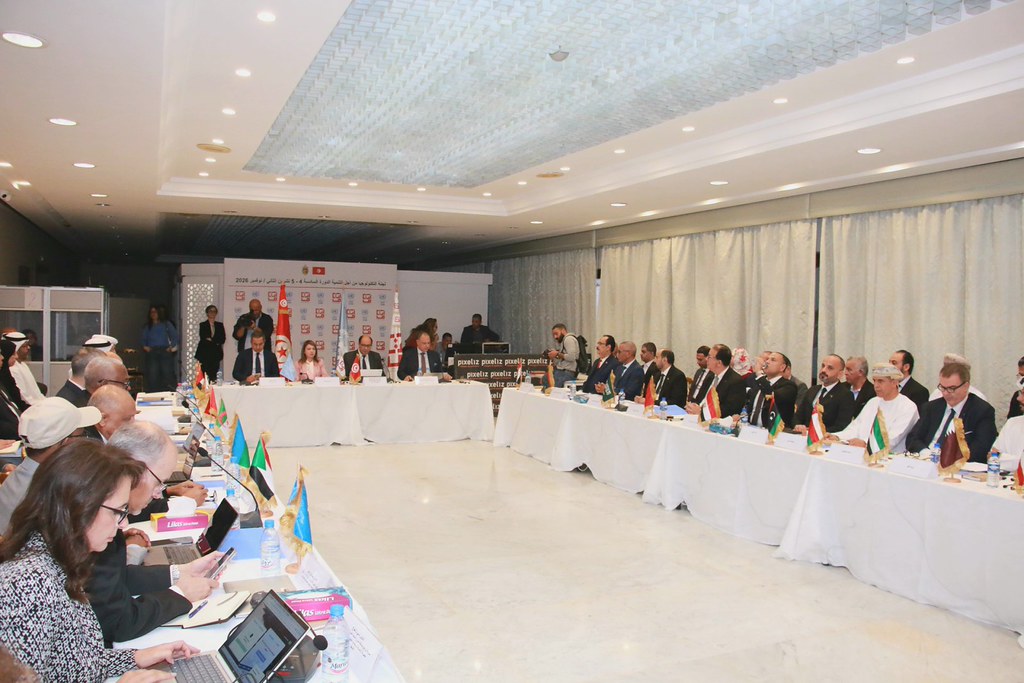
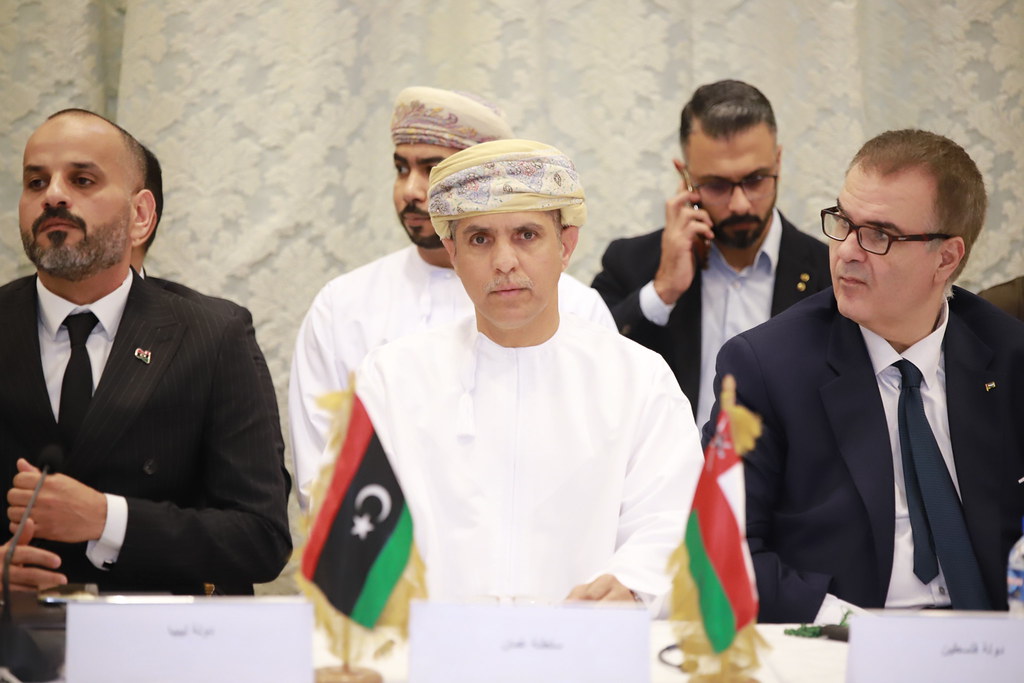
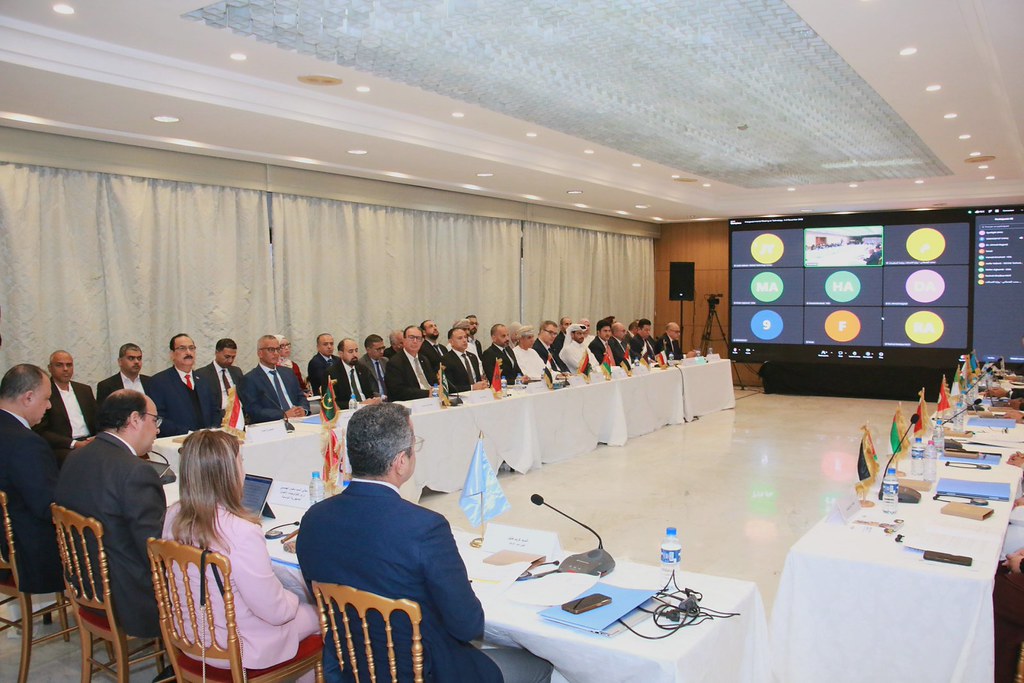
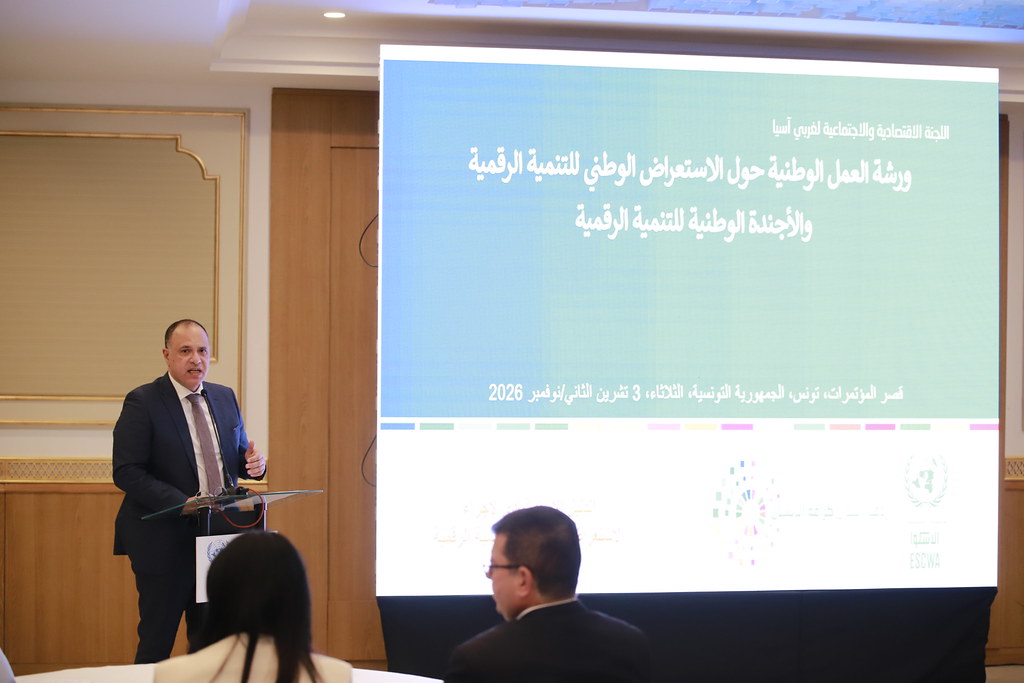
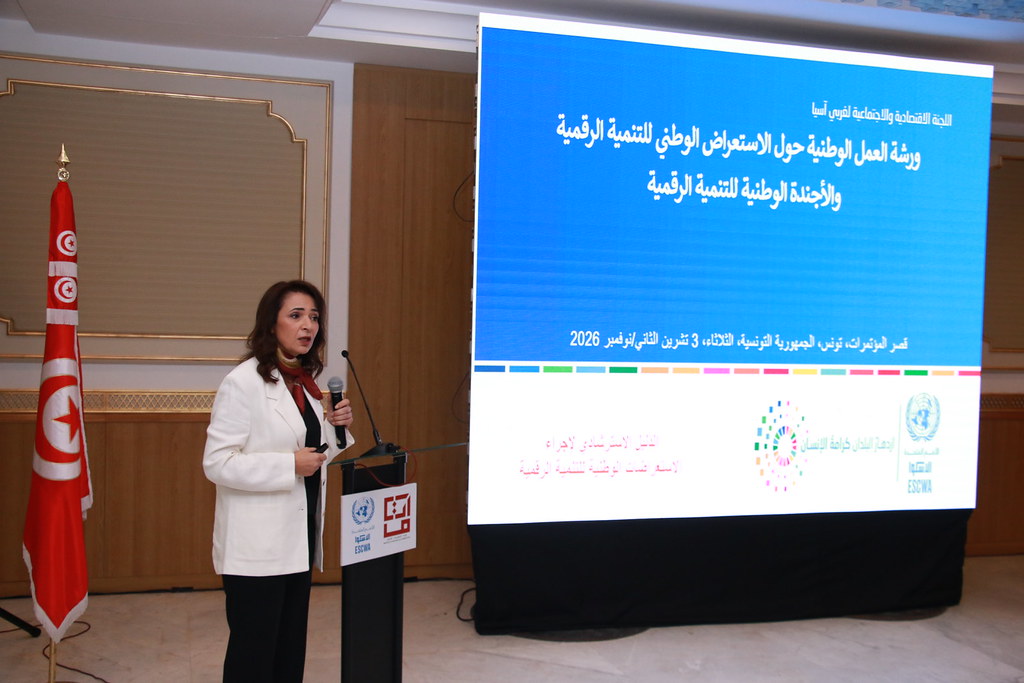
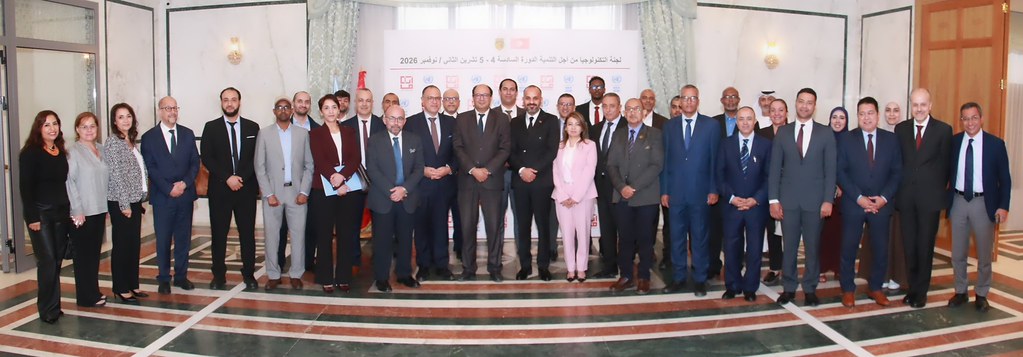
Charting the next phase of Arab digital cooperation, representatives of Arab countries gathered in Tunis to assess regional progress in digital development and identify priorities at the sixth session of the ESCWA Committee on Technology for Development, held on 4 and 5 November.
Regional cooperation was a central theme of discussions on advancing inclusive and sustainable digital transformation. The session comes 21 years after the adoption of the Tunis Agenda for the Information Society in 2005 and follows the global review of the World Summit on the Information Society (WSIS), completed in December 2025, which extended the framework to 2035.
Telecommunications networks cover 95% of the Arab region’s population, yet only 70% use the Internet, a gap that persists despite significant progress in connectivity. The region also faces a language gap online: Arabic-language websites account for around 1% of websites globally, even though Arabic is spoken by more than 400 million people.
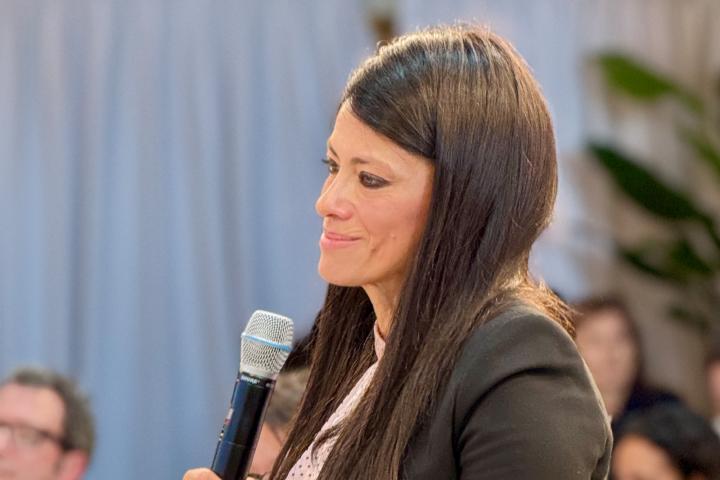
In a recorded opening statement, ESCWA Executive Secretary Rania Al-Mashat stressed the importance of ensuring that the region helps shape, rather than simply responds to, emerging global frameworks for artificial intelligence. “Our ambition is clear: for the Arab region to be an active partner in shaping global artificial intelligence (AI) governance, rather than merely a recipient of its decisions.”
Over two days, the Committee explored the region’s digital transformation, from policy to implementation. A round-table discussion focused on preparing the second edition of the Arab Digital Agenda, developed by ESCWA in partnership with the League of Arab States (LAS) and regional and international organizations through a participatory process involving member States. Other priorities included digital inclusion, digital government, emerging technologies and AI governance. The Committee also examined measurement tools and platforms developed by ESCWA, including the Government Electronic and Mobile Services Maturity Index (GEMS), as well as technical cooperation, innovation and entrepreneurship, and priorities for its future work.
AI governance featured prominently in the discussions. National reviews show that seven out of 10 countries have AI strategies or policies either in place or under development. ESCWA and LAS are also working on a common Arab framework for AI governance that responds to regional needs, protects data, strengthens the position of the Arabic language, and supports countries in maintaining control over their digital systems.
For his part, Minister of Communication Technologies in Tunisia Sofiene Hemissi stressed the importance of strengthening Arab digital cooperation and integration by advancing the Arab Digital Agenda for the coming decade, intensifying the exchange of expertise and knowledge, and launching joint capacity-building programmes.
By 2028, ESCWA and its partners are working towards three milestones: a midterm review of the Arab Digital Agenda, a report on digital development in the Arab region and an Arab digital development observatory. Alongside these efforts, work is under way on the second edition of the Arab Digital Agenda and the Arab strategy for the digital economy. An expanded focus on AI, emerging technologies and environmental sustainability will support the Arab Vision 2045.