3-4 December 2025
9:00–15:00
Beirut time
Expert Group Meeting

Climate and food: building resilient food systems in Arab least developed countries

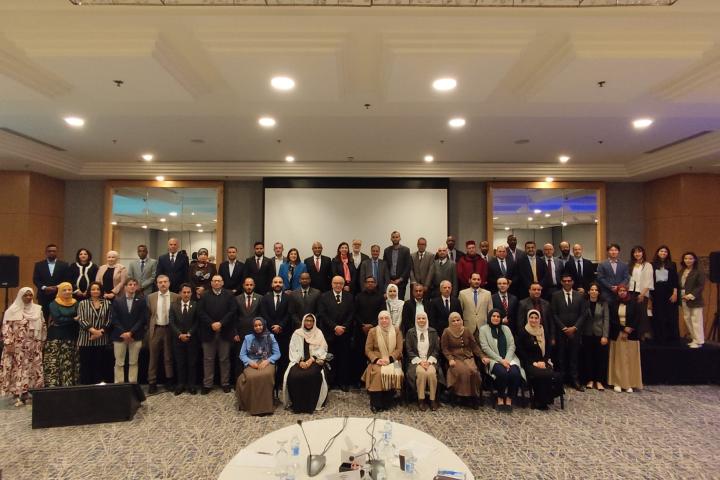
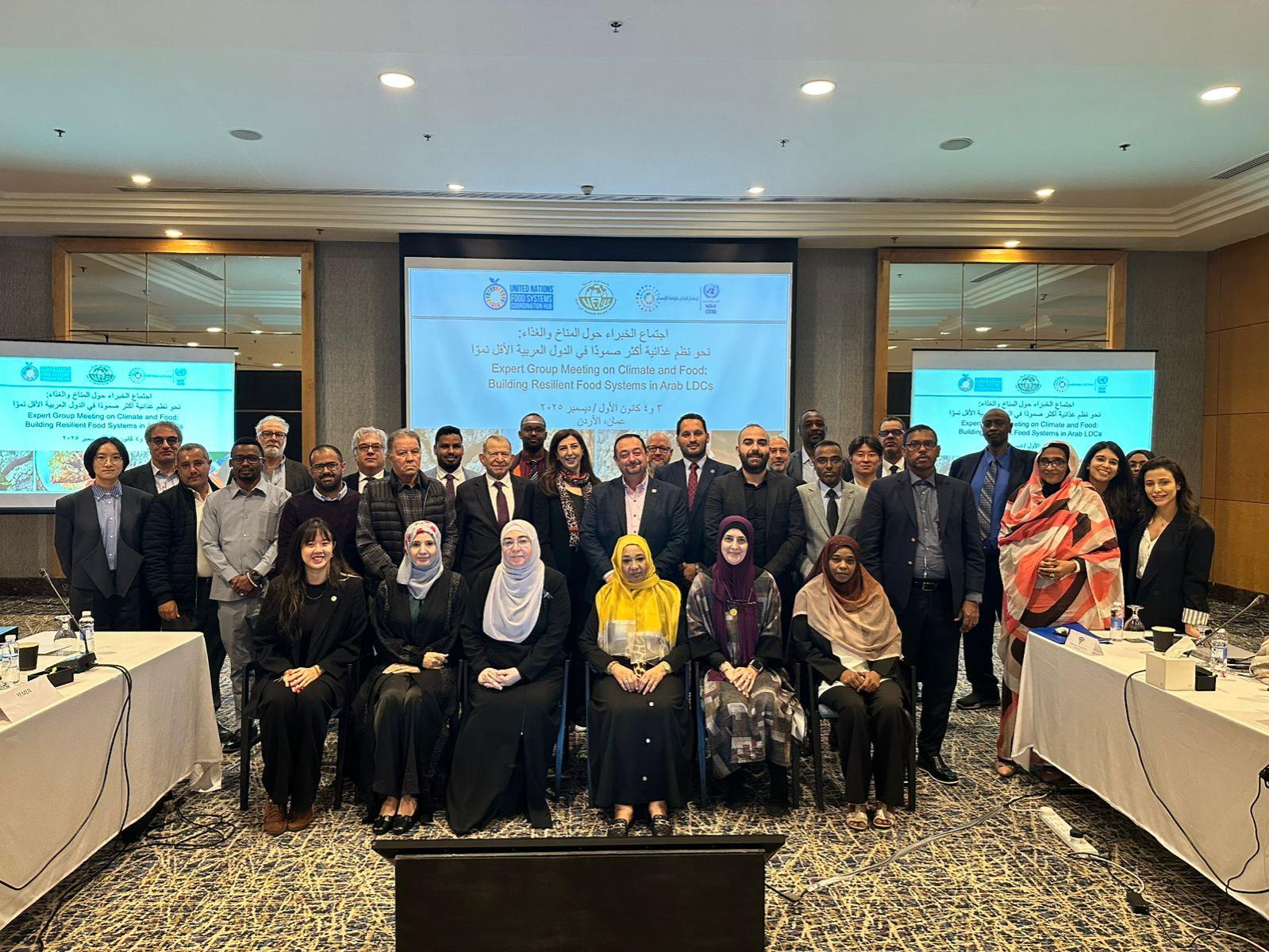
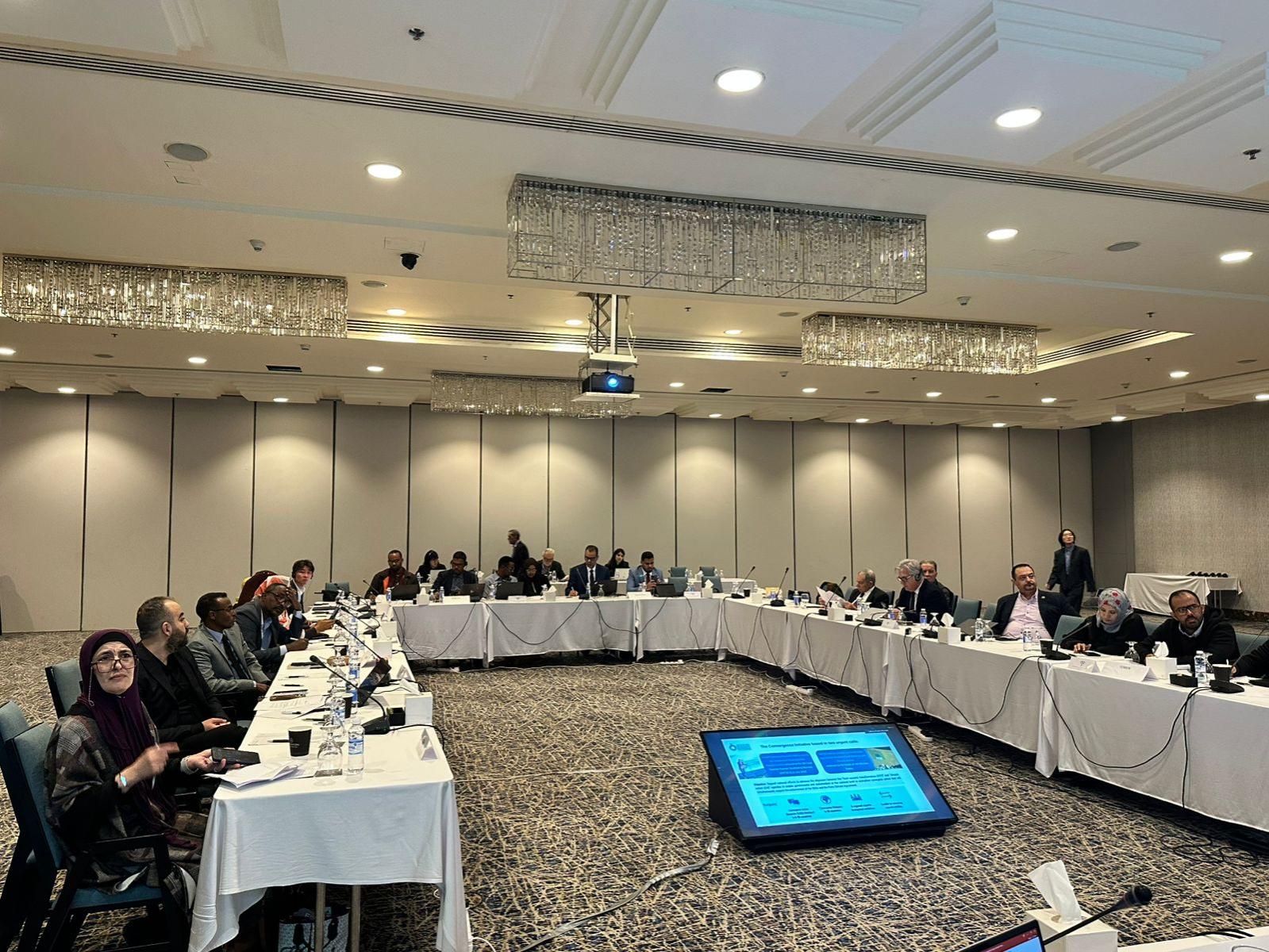
ESCWA, the United Nations Food Systems Coordination Hub, and the Arab Organization for Agricultural Development are convening an inception meeting for the project “Bridging the Climate-Food Nexus: Coherent Climate Action and Food System Transformation for Resilient Arab Least Developed Countries”. The meeting, titled “Climate and food: building resilient food systems in Arab LDCs", brings together food system convenors and climate focal points from Djibouti, Mauritania, Somalia, the Sudan and Yemen, alongside regional and international experts, to exchange expertise on aligning food systems transformation with climate action. 

The meeting aims to:

  • Officially launch the project “Bridging the Climate-Food Nexus” and present its objectives, key activities and implementation timeline;
  • Facilitate knowledge exchange among least developed countries, considering their similar needs, challenges and opportunities for aligning climate action with food systems transformation;
  • Present preliminary results of a food systems and climate action mapping in Mauritania, the Sudan and Yemen;
  • Identify concrete entry points for country-level engagement and opportunities for enhanced regional collaboration.

This meeting lays the groundwork for strong national and regional partnerships, building momentum and reinforcing collective commitment towards integrated, inclusive and climate-resilient food systems across Arab LDCs.

Outcome document

Key messages and areas of action:

  • Climate change and food systems are deeply interconnected. Agriculture accounts for 19-29% of global GHG emissions and is one of the sectors most vulnerable to climate change.
  • LDCs, despite contributing the least to GHG emissions, are disproportionately affected by both food insecurity and climate change, and have lower resources and capacities to adapt.
  • All components of food systems are affected by climate change—not only production, but also processing, storage, transport, distribution, and consumption—shaping both availability and access to healthy diets.
  • There is significant potential to align food systems and climate action to enhance resilience and sustainability, fostering greater policy coherence, mobilizing finance, delivering co-benefits for nutrition and livelihoods, and enabling evidence-based, coordinated decision-making.
  • The Nexus and Convergence Initiatives build capacities of countries to  align food system pathways and strategies with climate action plans, including Nationally Determined Contributions (NDCs) and National Adaptation Plans (NAPs), thereby advancing the Sustainable Development Goals (SDGs) and the Paris Agreement.
  • For Arab LDCs, priorities include better institutional coordination, improved data collection for early warning systems, stronger accountability mechanisms, financing and capacity building.
  • Transforming food systems for climate resilience and sustainability in Arab LDCs requires mobilizing financing and investments. Arab LDCs need capacity building to develop bankable projects and apply for financing mechanisms. Due to limited global assistance, mobilizing internal resources and the private sector also remains key.
  • LDCs in conflict face numerous, often interconnected food systems and climate challenges, including high levels of food insecurity, vulnerability to extreme weather events, and fragile supply chains, among others. They require targeted support and the adoption of a humanitarian-development-peace nexus to transition from emergency to development and long-term stability.
  • Immediate next steps include mapping policies and legislation  to identify gaps and opportunities for alignment, strengthening capacity-building on the food systems–climate nexus, and identifying key entry points that can be developed into bankable projects.

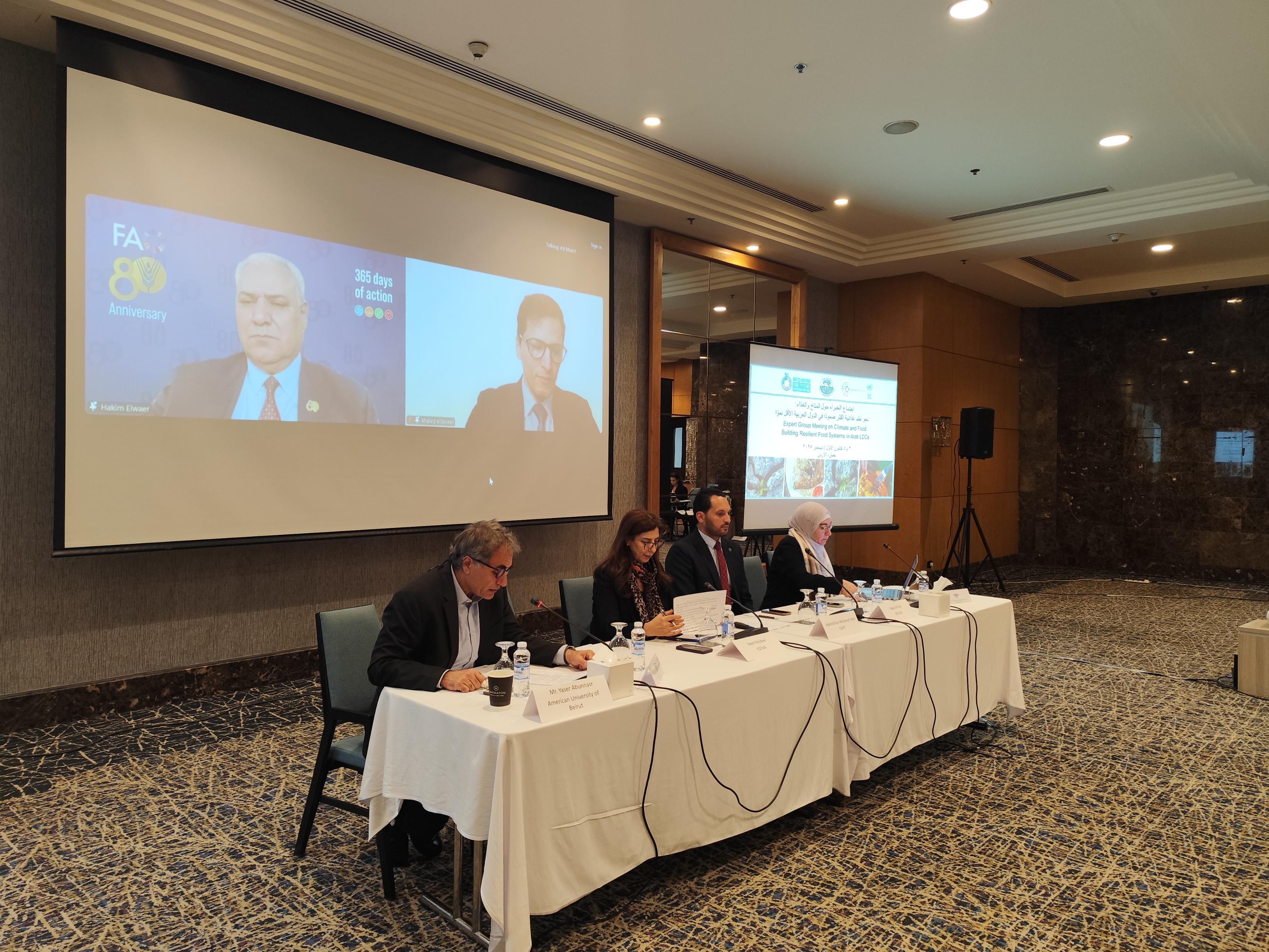
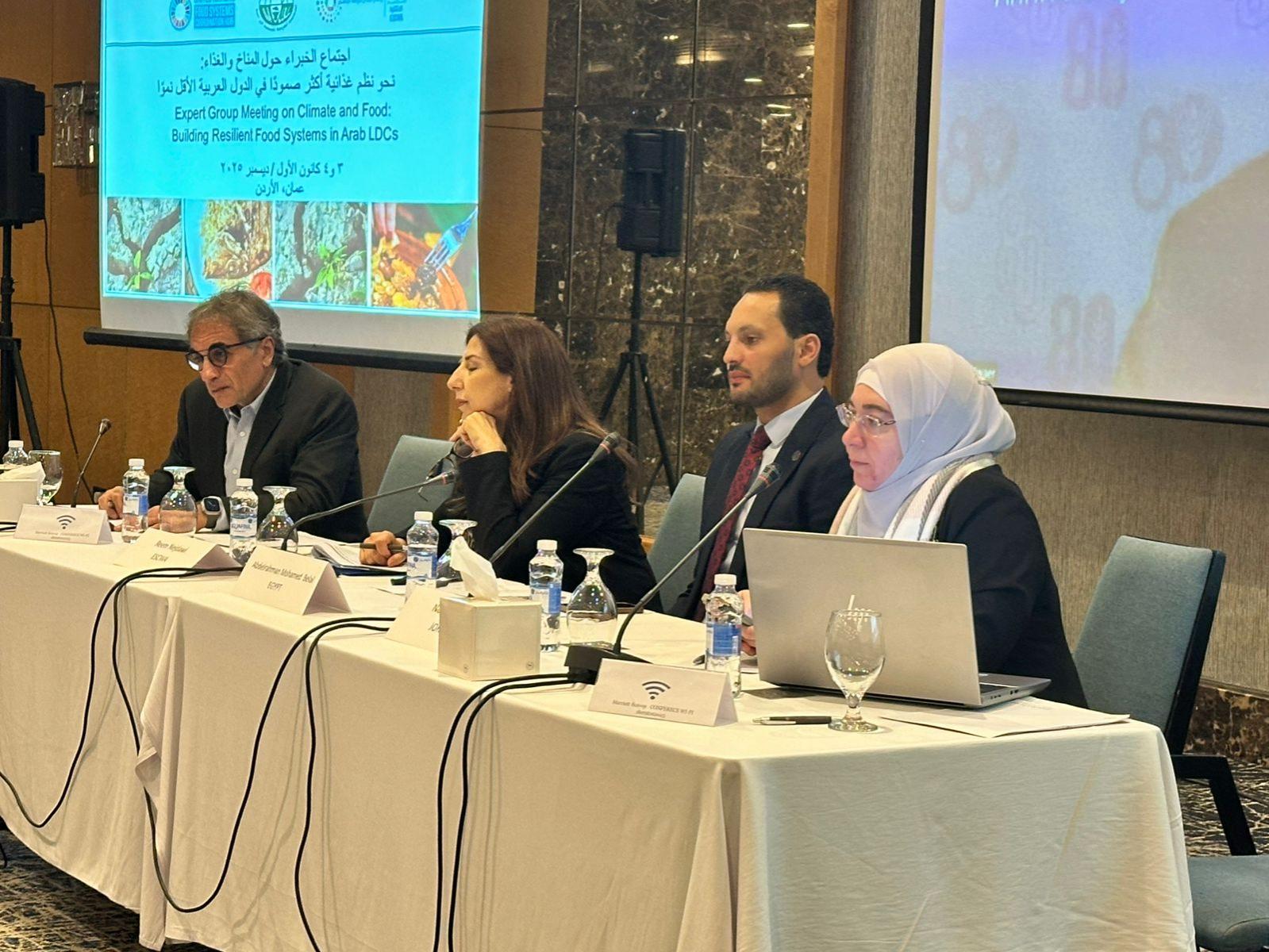
During this initial session, moderated by Mr. Yaser Abunnasr, from the American University of Beirut, speakers underscored the importance of aligning the climate change and food systems agendas. 

The session opened with Ms. Reem Nejdawi, Chief of Food and Environment Policies at ESCWA, who introduced ESCWA’s Nexus Initiative to support Arab Least Developed Countries in integrating food systems transformation with climate action through capacity-building and technical assistance. This was followed by a presentation from Mr. Khaled Eltaweel, Senior Programme Coordinator at the UN Food Systems Coordination Hub, who presented similar experiences from the Convergence Initiative at the global level. Together, these complementary initiatives strengthen governance, planning, and policy design, enabling countries to align their food system pathways with climate commitments—particularly their NDCs and NAPs—while advancing progress toward the SDGs and the Paris Agreement.

Subsequently, representatives of Jordan and Egypt—Ms. Nada Alfrihat from the ministry of Agriculture of Jordan and Mr. Abdelrahman Mohamed Belal from the Ministry of Health and Population of Egypt— presented their national experiences with the convergence Initiative, highlighting the value of cross-sectoral collaboration that brings together governments, civil society, the private sector, and international partners to design strategies addressing both food and climate challenges. Their interventions emphasized the challenges of water scarcity and reliance on imports, and the importance of improving governance, monitoring and evaluation, and financing.

Moderated by Professor Rami Zurayk from the American University of Beirut, this session underscored the urgency of aligning climate and food systems action in Arab Least Developed Countries through evidence-based planning. Ms. Maria Pilar Ouro Paz from ESCWA opened with an overview of climate and food systems interactions Arab LDCs, noting projected temperature increases and significant shifts in rainfall that will intensify both flooding and water scarcity. She highlighted that all components of food systems—from production to consumption—are already affected, threatening availability and access to healthy diets. Despite contributing less than 1% of global agrifood emissions, Arab LDCs are among the most climate-vulnerable and must prioritize adaptation, while also pursuing mitigation co-benefits in agriculture, transport, cold chains, and reducing food loss and waste.

Ms. Shaila Mahmud from IIED then reviewed COP30 outcomes, noting that although the meeting was expected to be a “Food COP,” agriculture and food systems did not feature prominently in final decisions due to divergent negotiation positions. Still, references to a just transition and the role of smallholders were retained, and food systems are reflected in the 59 Global Goal on Adaptation indicators, including five specifically related to food systems. She stressed that Arab LDCs should leverage these indicators, identify gaps in NDCs and NAPs, and to advocate for increased adaptation finance.

Moderated by Ms. Nada Alfrihat, Ministry of Agriculture of Jordan, the session gathered focal points from Djibouti, Mauritania, Somalia, Sudan, and Yemen to discuss how better alignment between climate and food systems agendas can strengthen resilience and food security. Countries noted that coherence brings clear benefits—more climate-resilient agriculture, improved resource management, and greater access to climate finance—but major obstacles persist, including weak coordination, limited data, and constrained institutional and technical capacities. Participants emphasized the need for practical support to advance implementation, particularly climate-smart planning tools, stronger governance, better monitoring systems, and increased adaptation finance.

National consultants in Yemen and Sudan also presented their plans for policy-mapping, highlighting the need to identify policy gaps and overlaps, strengthen national coordination mechanisms, and provide actionable in advancing integrated climate–food governance.

Moderated by Mr. Fidele Byiringiro from ESCWA, the session focused on practical approaches for accessing climate finance and designing bankable food systems projects. Mr. Yue Cao from ODI Global presented the current financial landscape, highlighting the challenges faced by fragile and conflict-affected countries, where climate adaptation funding is limited and covers only a fraction of the needs. With official development assistance declining, he emphasized the need for countries to explore innovative financing strategies, including leveraging domestic resources and private-sector engagement. Then, Ms. Shaden El Galaly from GCoM–Gap Fund Partnership illustrated how municipalities in low-income contexts can successfully access climate finance, sharing concrete examples from Kampala, Uganda, and Kericho, Kenya. She emphasized the Gap fund support at designing quality project proposals.

The second part of the session focused on project design for bankable projects. Ms. Hui Ren from IUCN provided guidance on key climate finance instruments, including the GEF, GCF, and Adaptation Fund, outlining eligibility criteria, funding priorities, and strategic considerations for Arab LDCs. Building on this, Mr. Yaser Abunnasr from the American University of Beirut shared practical insights on preparing bankable projects, emphasizing the importance of multi-stakeholder collaboration, clearly defined goals, preparing a theory of change, and realistic timelines and budgets.

Moderated by Mr. Rami Zurayk from the American University of Beirut,  this session examined the challenges and opportunities of advancing climate and food systems action in conflict-affected and fragile contexts.

Mr. Zurayk opened the discussion by emphasizing how any solution to food insecurity in conflict areas must integrate peace-building and climate adaptation simultaneously and how community-based approaches can be key entry points. Mr. Youssef Chaitani from ESCWA, presented strategies for implementing the Humanitarian-Development-Peace nexus using a risk-informed human security approach, highlighting the importance of coordinated interventions.  Mr. Alain Leroy and Mr. Edward Boydell from the SUN Movement, who underscored the critical need to integrate nutrition objectives into climate-sensitive food systems programming in fragile contexts. Mr. Ahmad Yousri Qabil from WFP addressed the importance of transitioning from humanitarian aid to longer-term recovery and resilient food systems. Finally, Mr. Guy Jobbins from the SPARC Consortium presented research from SPARC on strategies for building resilience in conflict-affected areas, underlining the critical role of local communities and social networks in supporting recovery.

Moderated by Ms. Estelle AlJammal from ESCWA, this working session brought together food systems and climate focal points from Arab LDCs, divided into two groups— (i) Sudan and Yemen, and (ii) Djibouti, Mauritania, and Somalia—to identify practical entry points for linking food systems transformation with climate action. Across both groups, participants highlighted key opportunities including integrating food systems into NDCs and NAPs, improving water resource management, adopting climate-smart agriculture and renewable energy solutions, strengthening early warning systems, and reducing water and food loss. They emphasized leveraging existing national and regional initiatives, enhancing governance and coordination, mobilizing internal and external resources, improving data systems for planning and monitoring, and embedding climate–food awareness and education. Immediate actions proposed included forming national working groups, conducting workshops, enabling peer-to-peer learning between countries, and integrating food-systems activities into national plans and policies, supported by seed funding.


Related news


arrow-up icon
Feedback