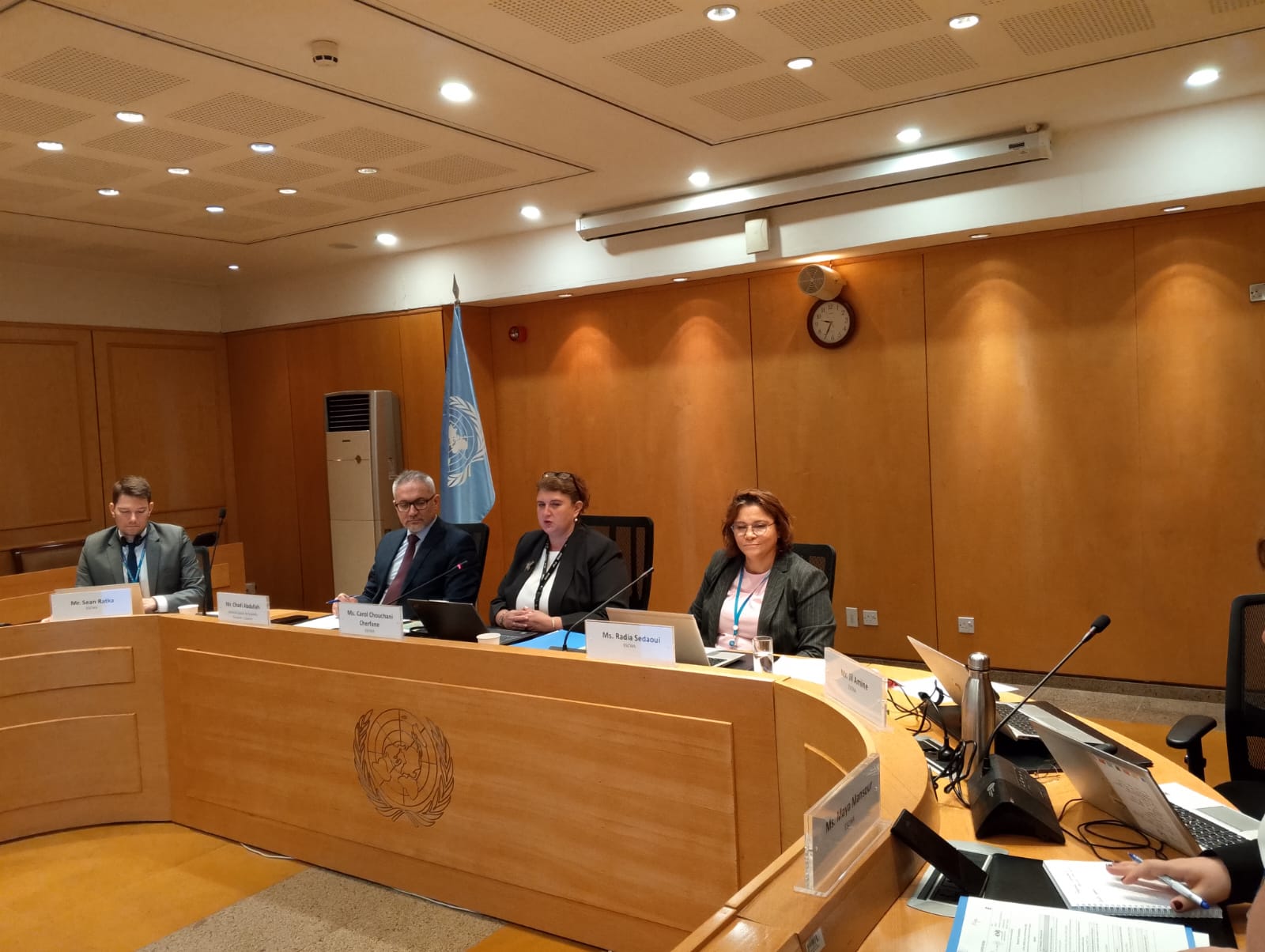
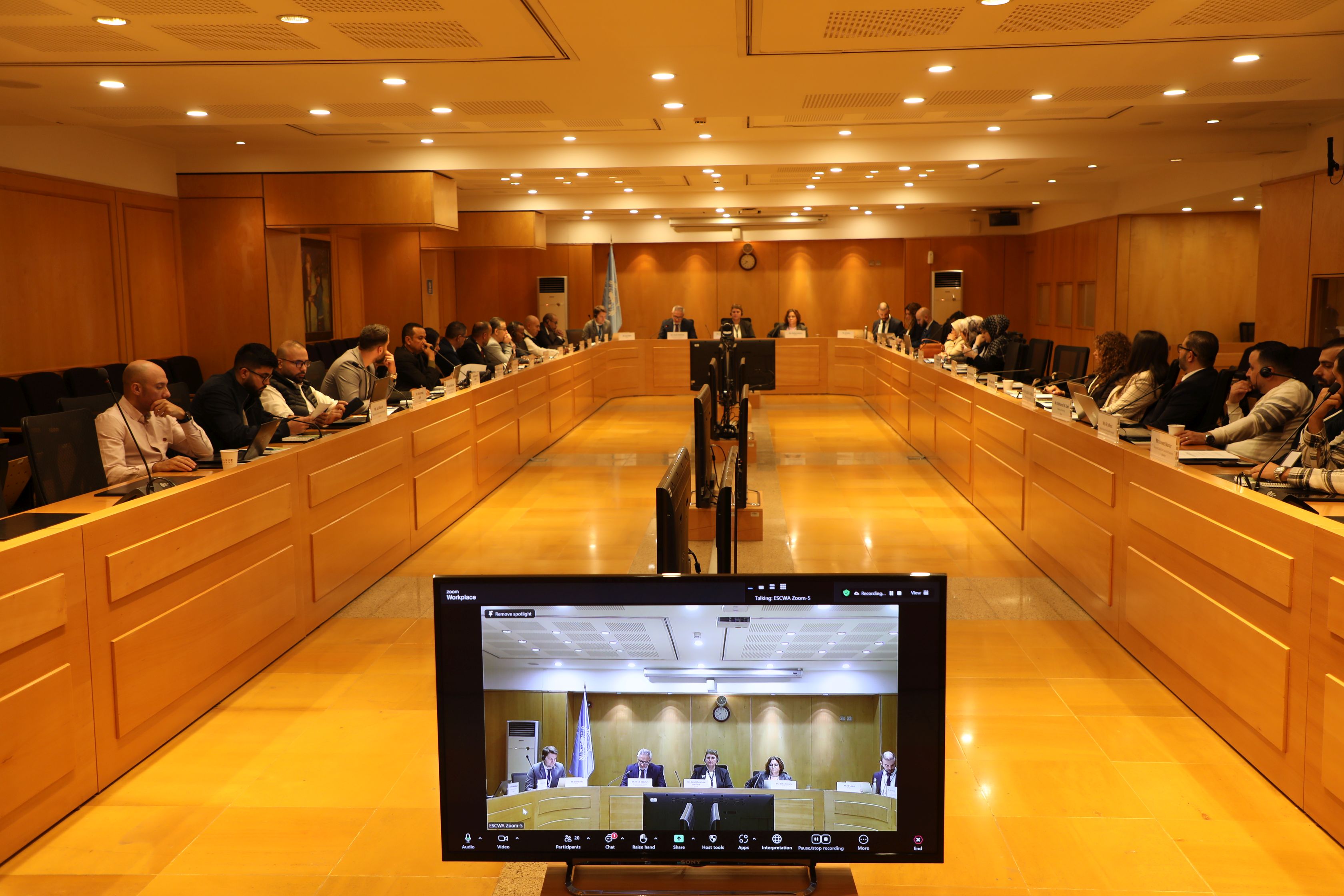
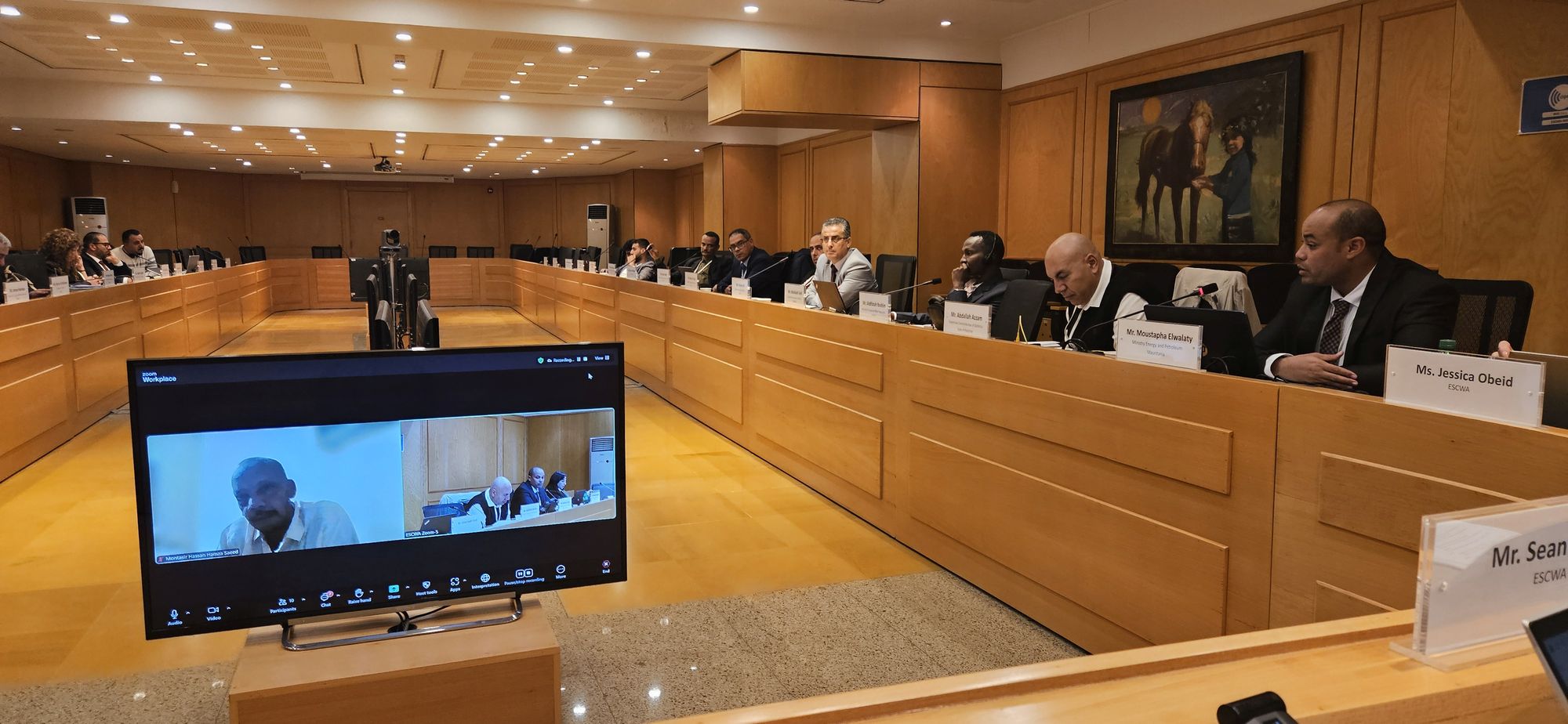
This session featured 21 presentations from Algeria, Bahrain, Djibouti, Egypt, Iraq, Jordan, Lebanon, Libya, Mauritania, State of Palestine, Somalia, Sudan, Syria, Tunisia, and Yemen on the national renewable energy and statistics landscape delivered by the attending members states. The presentations on renewable energy covered the following aspects:
- Energy and renewable energy legislative and institutional framework
- Policy gaps and challenges related to energy and renewable energy
- National and sub-national Electricity access rate
- State of the electrical grid (generation, transmission, distribution)
- National grid expansion plans
- National renewable energy adoption rate
- National and sub-national renewable energy plans
- Technical challenges
The presentations on statistics covered the following aspects:
- The role of the national statistics institution/agency in energy and renewable energy statistics
- Available data related to solar energy and its sources
- Limitations of the available data
- Human expertise, skills, and available tools related to Geographic Information Systems (GIS)
- Available hardware and software infrastructure
- Technical and institutional challenges
- National plans and recommendations
For more information and details, please consult the presentations posted on this page.
Participants from various Least-Developed Countries (LDCs) discussed the multitude of factors that are considered and studied before deciding on whether it is more feasible, efficient, and timely to either extend the electricity grid to unserved areas or build a renewable-energy-based mini-grid. All LDC representatives confirmed that advanced capacity-building is needed to improve the related decision-making processes adopted.
Participants from conflict-affected countries reported on the severe damage caused to electricity infrastructure, with major power plants partially or fully offline and reliance on diesel-based electricity generation. They noted that while solar PV installations have expanded significantly as a result, they still suffer from lack of monitoring, coordination, and sustainable maintenance, leading to failures, especially in rural areas. What exacerbates the situation is the weak data collection and communication among stakeholders (donors, contractors, ministries) which further hinders planning and investment.
Participants exchanged national experiences on regulatory reforms and incentives to attract foreign investments in renewable energy, supported by updated laws, regulations, and programs. They noted that while opportunities exist for large-scale and decentralized projects, gaps remain in further updating regulations to align with subsidy reductions and price liberalization, requiring further legislative adjustments to support the new enabling environment.
Participants also discussed national solar PV programs that support low-voltage solar PV systems through a mix of self-funding, subsidies, and loans repaid via electricity bills, with partnerships between utilities and commercial banks. The innovative aspect of these programs is that the funding mechanisms and the levels of subsidy vary by consumption level where higher consumers access standard loans, mid-level consumers benefit from longer repayment periods and higher subsidies, while the smallest consumers receive systems free of charge, financed by a specialized energy transition fund sourced from taxes on energy-intensive activities.




 Baghdad, Iraq
