28-29 April 2025
9:00–15:00
Beirut time
Workshop

Sustainable energy transition across sectors in Arab LDCs

Poster of the event
Location
  • Cairo, Egypt
Contact information
Share

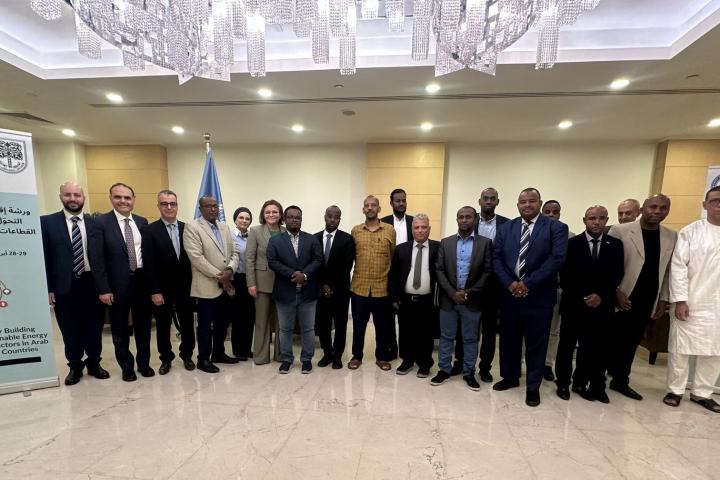
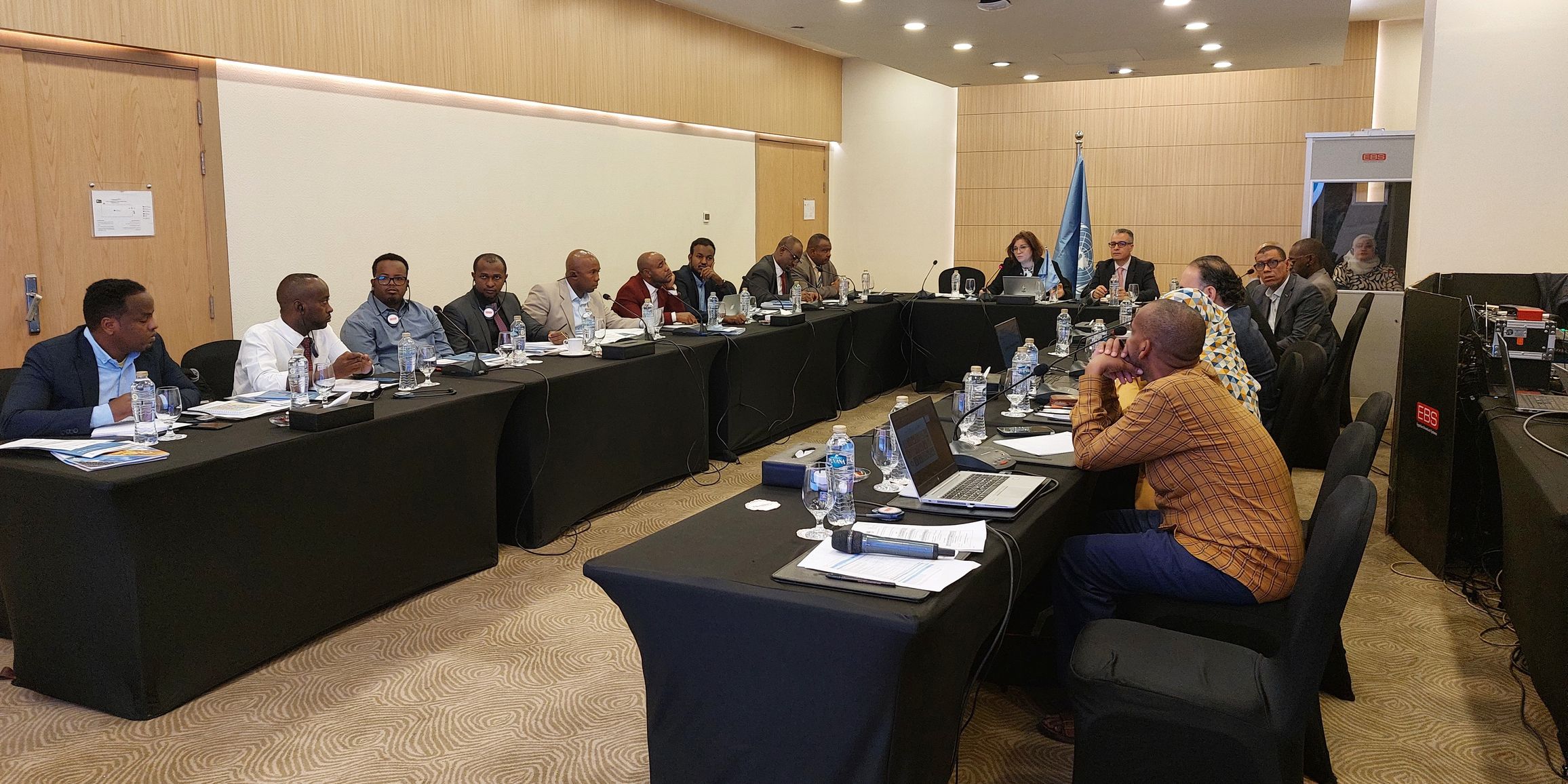
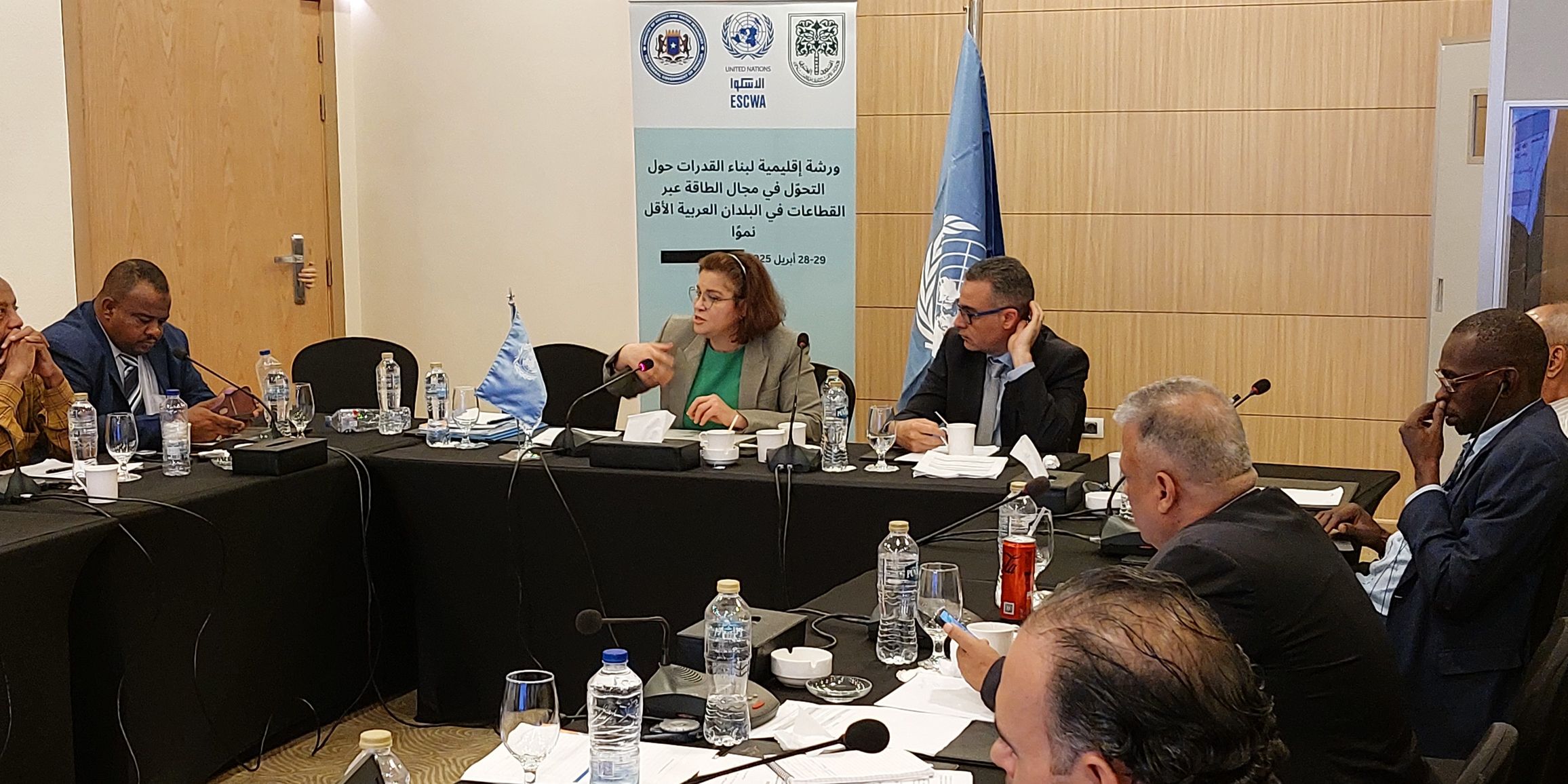
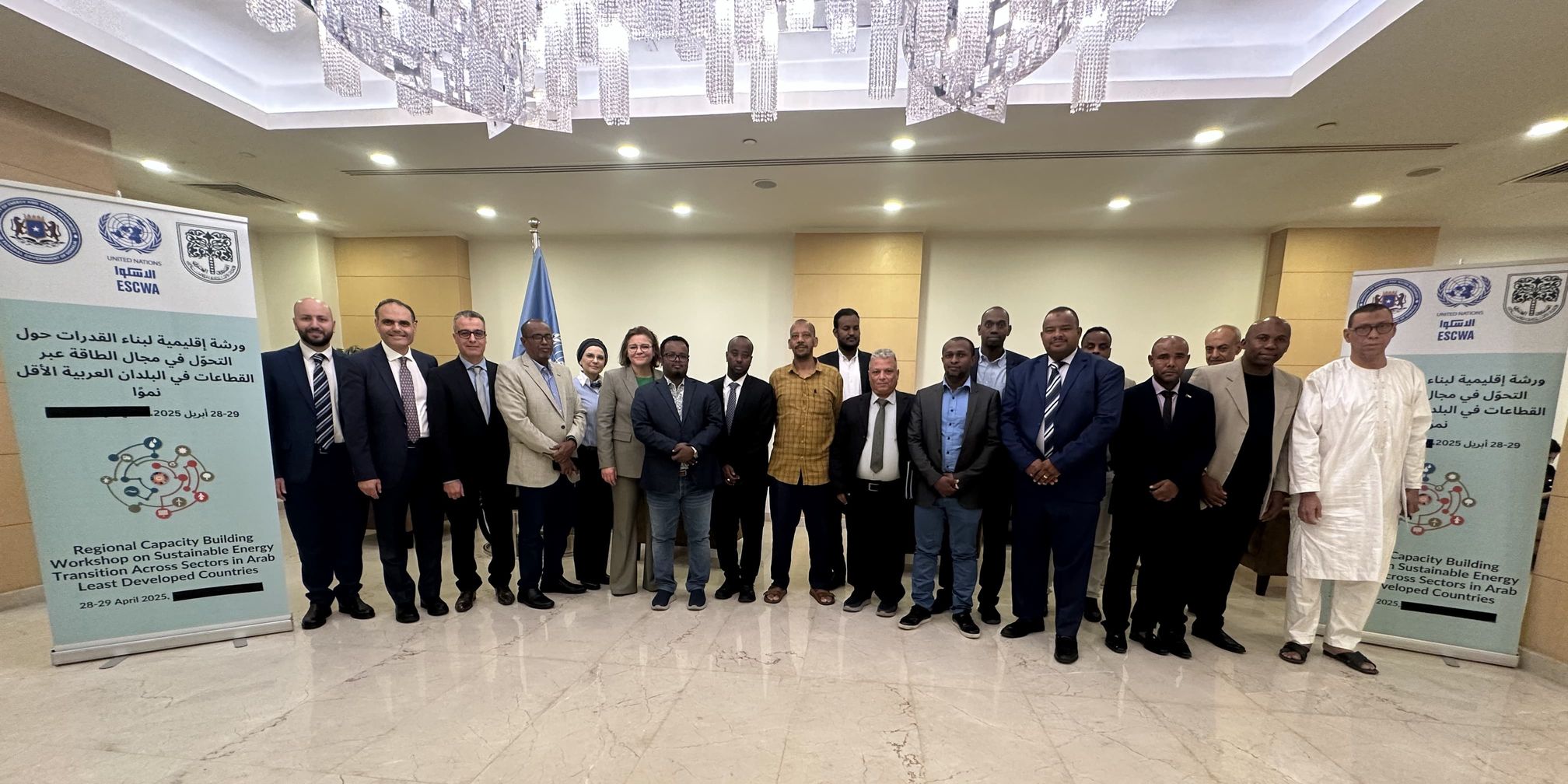
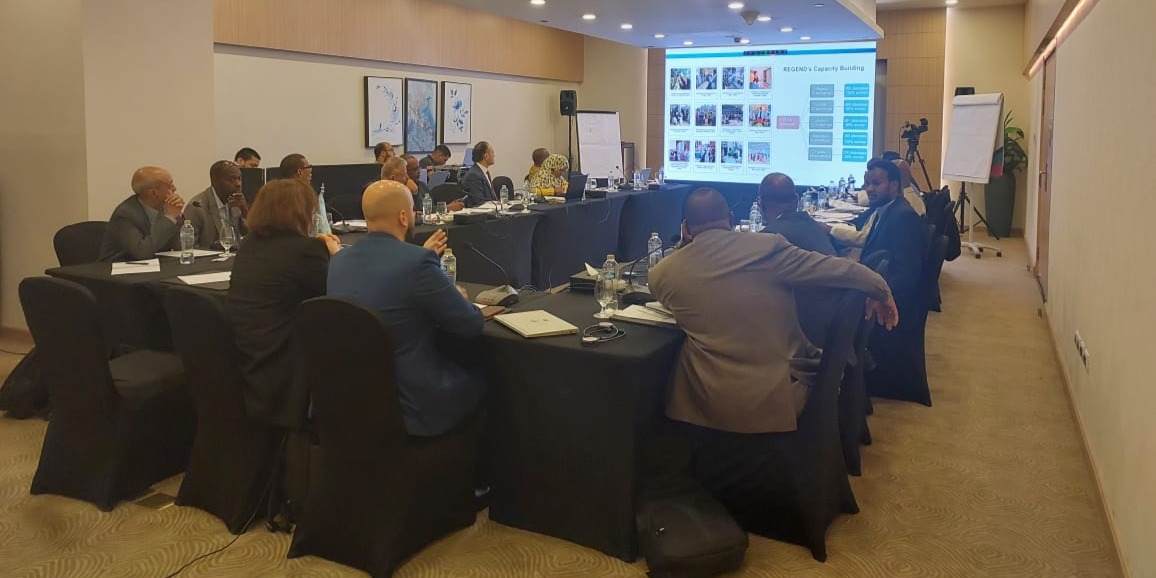
Within the framework of the Arab Climate Change Capacity Building Project, funded by the Arab Fund for Economic and Social Development, ESCWA is organizing a capacity-building workshop on sustainable energy transition across sectors in Arab LDCs.

The two-day workshop focuses on the socio-economic and financial tools needed for advancing climate ambition and a sustainable energy transition, with a focus on de-risking investment in small-scale renewable energy and clean cooking technologies. It targets the six least developed countries in the Arab region (Comoros, Djibouti, Mauritania, Somalia, the Sudan and Yemen), which receive just five per cent of climate finance flows to the region. The workshop aims to increase awareness of available policy options for renewable energy projects, improve the capacity of policymakers to implement clean energy projects aligned with SDG7, and foster collaboration between national, regional, and international stakeholders to support clean energy solutions.

Outcome document

  1. Arab LDCs face significant challenges in achieving universal access to electricity and clean cooking by 2030, necessitating accelerated action.
  2. Tackling the water-energy-food nexus and linking it to climate resilience can unlock synergies that improve rural development outcomes.
  3. Integrated energy efficiency and decentralized renewable energy solutions are key to accelerating access to sustainable energy in Arab LDCs.
  4. Integrated sustainable energy business models are essential for promoting climate-resilient rural development.
  5. Access to climate finance remains a major barrier. De-risking tools, blended finance, and microfinance can catalyze investment, especially in small-scale renewable energy.
  6. Effective and integrated policy development and implementation require political commitment, regulatory stability, and inclusive, multi-stakeholder engagement.
  7. Inclusive energy transitions must prioritize gender equality, women empowerment, and youth engagement.
  8. Capacity building is essential for attracting investment in renewable energy projects.
  9. Data availability and improved mapping tools are beneficial to inform policy decisions and measure progress toward energy access goals.
  10. Collaboration and partnerships among Arab LDCs help identify common solutions and approaches to common energy and climate change challenges.

This session featured presentations from ESCWA and IRENA on global and regional progress toward Sustainable Development Goal 7 (SDG7), with a particular focus on Arab LDCs. Participants were informed of the urgent need to achieve universal access to electricity and clean cooking technologies by 2030. The session emphasized the importance of accelerating renewable energy deployment, improving energy efficiency, and fostering multi-stakeholder partnerships to overcome the socio-economic and environmental challenges facing the region.

The session began with a training presentation that underscored the critical role of sustainable energy solutions in promoting rural development and enhancing climate resilience in Arab LDCs. It emphasized the interlinkages between the energy, water, and food sectors (WEF Nexus) and demonstrated how innovative approaches—such as decentralized renewable energy—can boost agricultural productivity, improve water resource management, bridge service gaps, and strengthen climate resilience in rural communities. The presentation also underlined the importance of integrating energy efficiency and energy management alongside renewable energy to support sustainable rural development. Furthermore, it stressed the need for integrated planning and policy frameworks that incorporate the WEF Nexus to foster long-term climate resilience. The presentation concluded with strategic recommendations tailored to the specific needs and contexts of Arab LDCs.

A subsequent presentation introduced the integrated business model of REGEND as a successful and adaptable model for the Arab LDC context.

This session included a training presentation on unlocking investment in renewable energy in Arab LDCs. It focused on the importance of leveraging diverse funding mechanisms, mitigating financial risks, and encouraging public-private partnerships to make projects bankable and scalable. Participants learned how to foster an enabling policy environment through regulatory stability, de-risking strategies, and improved data transparency. The session also highlighted the important role of entrepreneurship in driving energy transition, showing how entrepreneurs adapt to local needs faster than large scale projects.

A remote intervention followed, showcasing the relevance of microfinance in supporting small-scale producers and entrepreneurs in rural areas to access sustainable energy solutions for their livelihoods.

This session featured a presentation by ESCWA that underscored the importance of integrated, multi-level policy approaches. It emphasized the alignment of national energy policies with development goals and highlighted the role of political will, realistic objectives, robust legislative frameworks, and inclusive stakeholder engagement in driving effective policy implementation.

IRENA presented on various policy instruments—such as auctions, feed-in tariffs, and premiums—highlighting their strengths and applications in promoting market participation and efficient resource allocation.

Another remote presentation introduced ESCWA’s upcoming project on "Improved mapping and monitoring of solar energy access for enhanced climate policy action and socioeconomic resilience in ESCWA member States". The initiative aims to enhance the capacity of ESCWA member States to map and monitor developments in solar energy access to strengthen data-driven analysis and improve evidence-based policymaking for climate action and socioeconomic resilience. A discussion followed, during which country representatives shared related national efforts and expressed interest in taking part in and collaborating on this initiative.

This session explored how inclusive energy transitions can empower communities in Arab LDCs by overcoming barriers to participation and integrating traditional knowledge with modern energy solutions. It emphasized the importance of building effective partnerships among diverse stakeholders to support equitable and inclusive energy transitions, and highlighted the need to empower marginalized groups—particularly women and youth— to lead and benefit from sustainable energy initiatives. The session also underscored the role of integrated business models in facilitating the adoption of decentralized renewable energy technologies and demonstrated how capacity-building initiatives can help attract investment in renewable energy projects. Additionally, it showcased how digital technologies and innovation can enhance community participation and ownership in the energy transition process. The presentation concluded with strategic recommendations tailored to the specific needs and contexts of Arab LDCs.

Participants were introduced to a range of de-risking mechanisms—including stable legal frameworks, investment treaties, credit enhancements, and blended finance instruments. The presentation stressed the importance of government-donor-private sector collaboration and innovative financing models such as PAYG solar, microfinance, and results-based financing to support the scaling-up of small-scale renewable energy initiatives. Finally, it was demonstrated to participants how can Arab LDCs attract investment in sustainable energy through implementing 4 strategies including:

  1. clear policy frameworks,
  2. investor-friendly regulations,
  3. mobilizing finance using different tools,
  4. and upgrade existing infrastructure to become investor friendly.

Throughout the workshop—and especially during this final session—participants engaged in open discussions reflecting on key topics and insights shared over the two days. Representatives from each country presented challenges and opportunities related to the sustainable energy transition in their contexts. This exchange enabled cross-country learning and the proposal of collaborative solutions. Key common themes that emerged include:

  • Investing in renewable energy is essential to reduce electricity costs, enhance energy security, and increase clean energy penetration.
  • Biomass use for cooking remains a major health and environmental concern. Cleaner alternatives and awareness campaigns are urgently needed.
  • Lack of awareness and technical skills was highlighted as a major barrier to sustainable energy efforts, calling for stronger capacity-building initiatives.
  • Improved quality control is needed for imported renewable energy equipment through better standards and certification mechanisms.
  • Conflict and instability continue to impede progress on SDG7 and other development goals, especially in fragile contexts.
  • Solar mini-grids are emerging as a viable solution for rural electrification in areas beyond the reach of the national grid.
  • More supportive policies are needed to promote clean cooking, attract investment in renewables, and reduce deforestation.

Related news

arrow-up icon
Feedback