The session opened with a presentation by the Department of Environmental Affairs and Meteorology at the League of Arab States, outlining the background of the proposal to establish a regional mechanism to support the circular economy in the Arab region. This proposal was developed in response to recommendations from the regional consultations held in August 2024 and was endorsed by the Council of Arab Ministers Responsible for the Environment through Resolution No. 660.
ESCWA then presented three proposed scenarios for the regional mechanism: (1) an open, interactive digital platform accessible to all stakeholders; (2) a closed LinkedIn group to connect experts and professionals; and (3) a voluntary regional committee comprising governments, the private sector, and civil society.
Participants discussed these proposals based on criteria such as cost-effectiveness, scalability, legitimacy, governance, inclusiveness, sustainability, and transparency. They also highlighted potential joint activities that could be implemented across all scenarios, including the creation of a regional database, organization of regional workshops, and development of policy papers.
Discussions emphasized that this phase represents a foundational step toward identifying the most suitable format for a regional mechanism that enhances coordination, supports knowledge exchange, and unifies efforts to accelerate the transition to a circular economy in the Arab region.
The presentation also highlighted the significant economic opportunities offered by the circular economy, drawing on national experiences from several Arab countries. It called for supportive legislation, mobilization of financing, and greater involvement of the private sector and youth in leading this transformation.
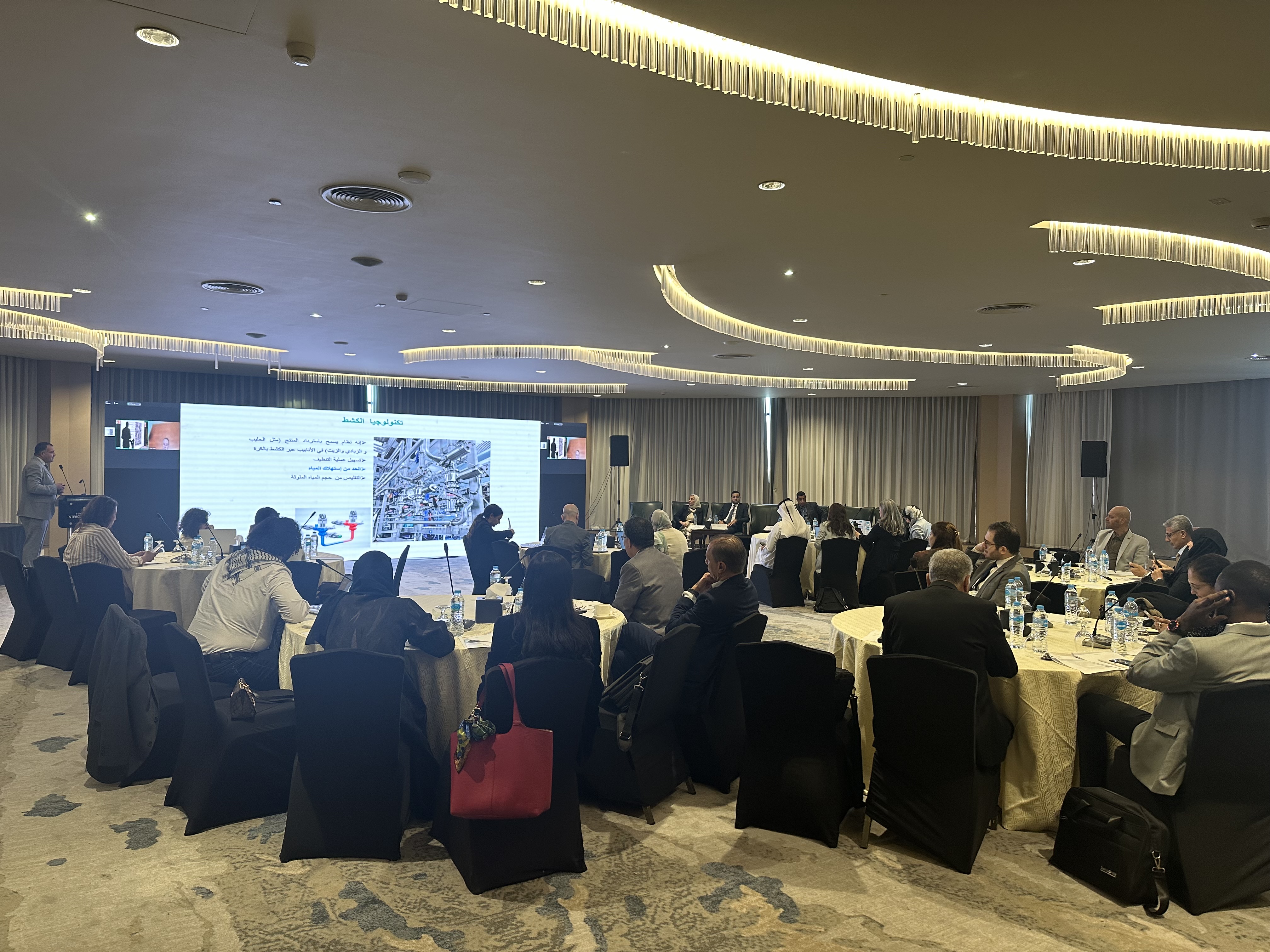
Following the presentations and discussions, participants were divided into four multi-stakeholder working groups, including representatives from ministries, the private sector, and regional and international organizations, to discuss and evaluate the proposed scenarios for regional cooperation, with the aim of selecting the most appropriate option.






 Athens, Greece
