
25-26 February 2026
11:00–14:30
Beirut time
Regional Consultation

Transformative and Coordinated Environmental Solutions for Water, Energy, Industry and Cities in the Arab Region

Location
  • Online
Contact information
Share

In preparation for the Arab Forum for Sustainable Development 2026 (AFSD), ESCWA, in cooperation with the League of Arab States and with the participation of the United Nations Environment Programme (UNEP), is convening a regional consultative meeting on the environmental dimension of the 2030 Agenda. The meeting focuses on the Sustainable development Goals (SDGs) under review at the 2026 High-Level Political Forum, namely SDGs 6 (clean water and sanitation), 7 (affordable and clean energy), 9 (industry, innovation, and infrastructure), 11 (sustainable cities and communities), and 17 (partnerships for the goals).

The meeting, entitled “Transformative and Coordinated Environmental Solutions for Water, Energy, Industry and Cities in the Arab Region”, aims at:

  • Identifying transformative and innovative policies and promoting intersectoral and holistic approaches that integrate environmental sustainability into water and sanitation, energy systems, infrastructure, industrial development and urban planning.
  • Showcasing regional and global best practices in green technologies and circular economy approaches to reduce resource use and waste.
  • Strengthening coordination and partnerships at regional and national levels to mobilize financing, facilitate technology transfer, and build capacities for SDG implementation.
  • Harnessing digital technologies and AI to improve environmental monitoring, optimize resource use and service delivery, and strengthen SDG data and evidence-based policymaking.

More information on SDG progress in the Arab region is available on the Arab SDG Monitor Portal.

Outcome document

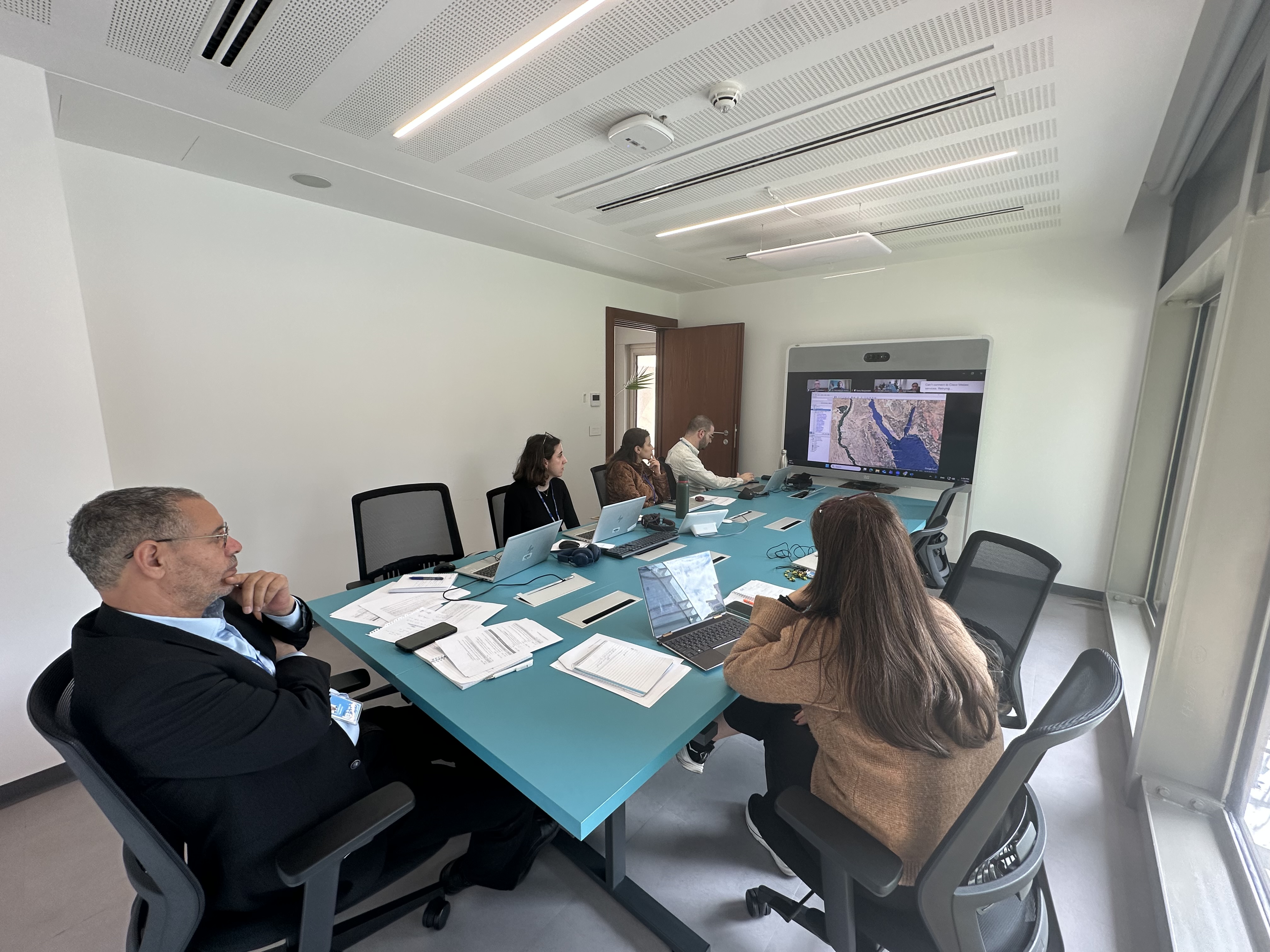
The Consultative Meeting on the Environmental Dimension of the Sustainable Development Agenda entitled “Transformative and Coordinated Environmental Solutions for Water, Energy, Industry and Cities in the Arab Region” was held virtually, on 25-26 February 2026. It was attended by 107 participants from 20 Arab countries, including representatives of governments, academic institutions, regional and international organizations, civil society organizations and representatives of the private sector.

Key messages and recommendations that resulted from the meeting can be found here.
 

During the session, ESCWA outlined the objectives of the meeting and emphasized its importance in discussing environmental priorities and transformative and integrated environmental solutions related to the Sustainable Development Goals under review, namely water, energy, cities, and industry. ESCWA highlighted that advancing work on these priorities is becoming increasingly urgent as 2030 approaches, amid escalating climate and environmental pressures and deepening economic and social disparities. The organization also encouraged participants to share their practical experiences in policy development, implementation priorities, technology, and partnerships to help shape solutions that are both actionable and impactful.

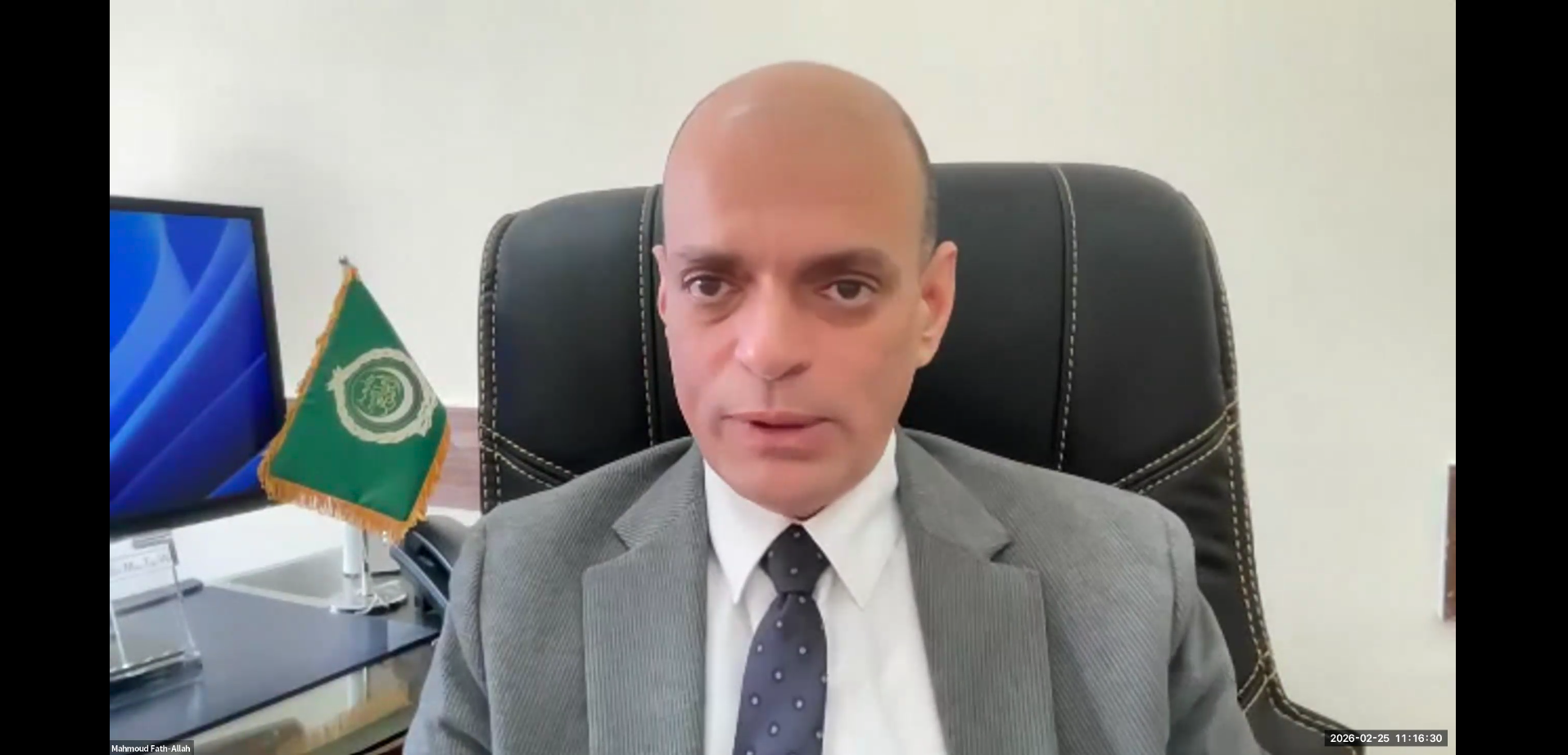
For its part, the League of Arab States emphasized the importance of adopting non‑traditional solutions, including the use of artificial intelligence technologies, and advancing holistic approaches grounded in cross‑sectoral planning and strengthened institutional coordination. It underscored that traditional, siloed planning models are no longer adequate to meet the demands of the current phase. The League also highlighted the significance of this meeting as a practical step toward shaping a shared Arab vision for transformative environmental solutions, one that is informed by scientific knowledge, practical experience, and regional cooperation, thereby contributing to enhanced implementation and accelerated progress toward achieving the sustainable development goals.

During the session dedicated to SDG 6, ESCWA delivered a presentation on the role of technology, digitalization, and remote sensing in monitoring groundwater resources in the Arab region, highlighting how data generated through the regional platform can inform policymaking, guide project design, and support assessments of aquatic ecosystems and the pressures affecting them. The International Water Management Institute showcased its work on applying digital solutions and artificial intelligence for wastewater management, treatment, and reuse in ways that help reduce environmental impacts.

The International Union for Conservation of Nature emphasized the importance of nature‑based solutions for restoring ecosystems and improving water quality. The Environment Agency–Abu Dhabi presented its experience with managed aquifer recharge as a means to ensure the sustainability of groundwater resources, underscoring the need to strengthen applied scientific research to integrate environmental dimensions and develop transformative approaches to water management.

The Saudi Green Building Forum highlighted the role of the saaf® index in supporting the monitoring of progress toward an interconnected set of Sustainable Development Goals. Discussions also underscored the importance of investing in data and enhancing data‑sharing mechanisms to address challenges facing the water sector, in addition to the need for capacity‑building and mobilizing adequate financing.

During the session dedicated to SDG 7, ESCWA presented an overview of the current status of progress toward the goal in the Arab region, highlighting key challenges and emerging opportunities in the energy sector. ESCWA also introduced its project on solar energy access mapping and monitoring across Arab countries, outlining its objectives and expected outputs. The League of Arab States focused its intervention on the environmental impacts associated with renewable energy projects, including the depletion of rare minerals, often exported in raw form, land-use challenges related to wind energy and their effects on bird migration routes, as well as the generation of electronic waste requiring specialized treatment. The intervention additionally reviewed the efforts of the Council of Arab Ministers Responsible for the Environment in addressing these challenges and exploring possible solutions.

“fermendom” presented available technologies for waste-to-energy conversion, supported by regional examples, and highlighted the associated challenges and opportunities in Arab cities. The Regional Center for Renewable Energy and Energy Efficiency (RCREEE) showcased regional projects developed under the multi‑stakeholder platform for biodiversity preservation, which integrate renewable energy with environmental considerations, biodiversity protection, and livelihoods, with the aim of developing bankable initiatives and strengthening regional cooperation. Discussions also emphasized the importance of localizing renewable energy technologies and assessing the potential positive impacts of renewable energy projects on biodiversity in terms of species, distribution patterns, and economic value.

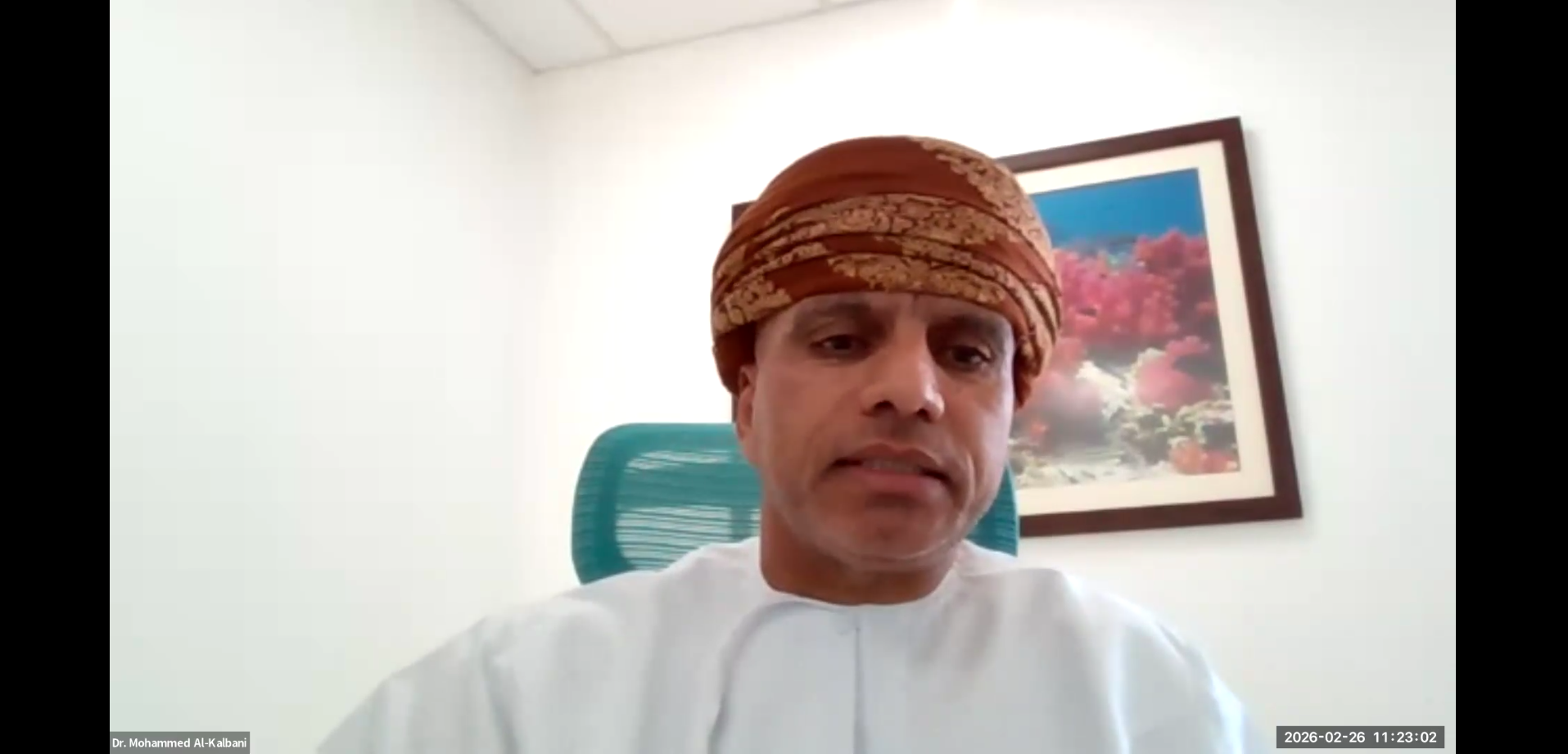
The session dedicated to SDG 9 opened with a presentation highlighting the importance of emissions assessment and measurement as a fundamental entry point for industrial modernization and for strengthening efficiency, innovation, and global competitiveness. Oman then shared its experience in enhancing environmental compliance within the industrial sector through the development of real‑time emissions monitoring, improved regulatory and oversight capacities, and greater transparency, in addition to showcasing success stories in waste‑management legislation that support green manufacturing and the growth of small and medium enterprises.

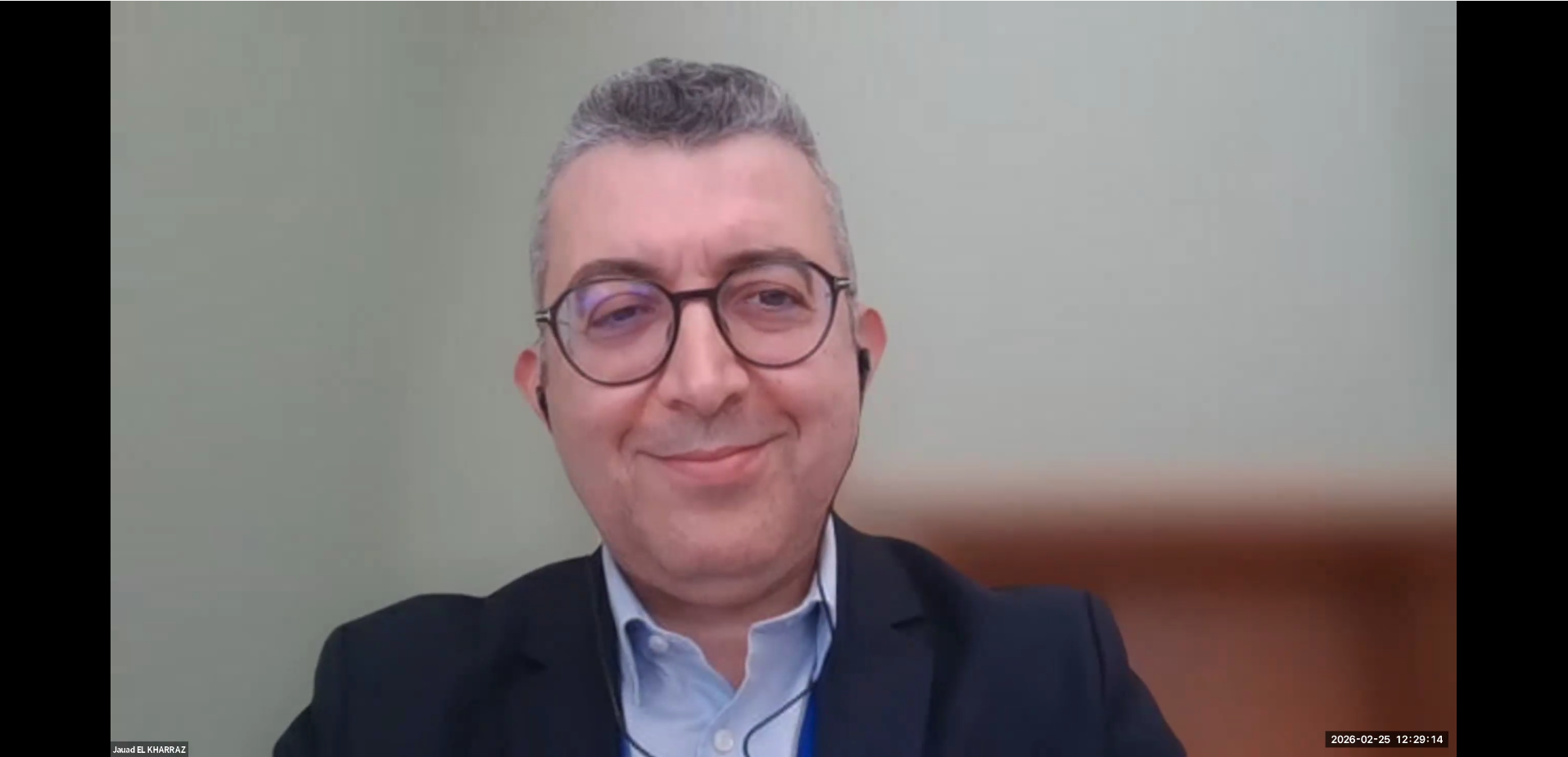
The Commercial International Bank highlighted the role of commercial banks in stimulating investment in green industries, emphasizing the expansion of affordable financing options and partnerships that enable factories to access suitable financial solutions. The session concluded with Lebanon’s experience in promoting green industries through regulatory mechanisms and policies designed to advance the shift toward sustainable production.

Discussions underscored the importance of environmental compliance across industries and the need for integrated national systems to measure industrial emissions based on real data and supported by strong coordination among relevant stakeholders. Participants also touched on green financing in the agricultural sector and the tools and resources available to support this transition.

During the session dedicated to SDG 11, UNEP presented an overview of plastic waste in Arab cities, outlining regional trends, key challenges, and policy recommendations supporting the transition toward circular economy approaches. The presentation emphasized the importance of addressing post-consumption plastic waste and promoting policies that encourage the use of recycled plastics in urban areas.

UNDRR presented regional perspectives on disaster risk reduction strategies in the Arab region. The intervention emphasized the importance of developing comprehensive risk management strategies that align national climate and urban planning frameworks, while addressing the root causes of risks affecting cities. This can support resilient infrastructure capable of responding to increasingly complex and interconnected urban risks.

The King Abdullah Petroleum Studies and Research Center presented its work on decarbonizing the building sector, highlighting approaches that include improving energy efficiency in buildings and integrating low-carbon construction practices. The intervention emphasized that decarbonizing the building sector can contribute to improving urban environmental quality, reducing resource demand, and advancing sustainable and resilient cities.

Discussions emphasized the importance of these approaches not only for environmental sustainability but also for economic development and job creation in cities. Participants highlighted that sustainable infrastructure and urban planning require strengthened coordination among sectors and stakeholders while considering the principle of “building back better,” which can contribute to addressing multiple SDGs.


arrow-up icon
Feedback