25 September 2025
9:00–15:00
Beirut time
Expert Group Meeting

Mapping solar energy access in Lebanon

Location
  • UN House, Beirut, Lebanon
Contact information
Share

Collecting accurate and timely data on renewable energy access remains a persistent issue in the region, mainly due to institutional challenges and resource limitations within national statistical agencies.

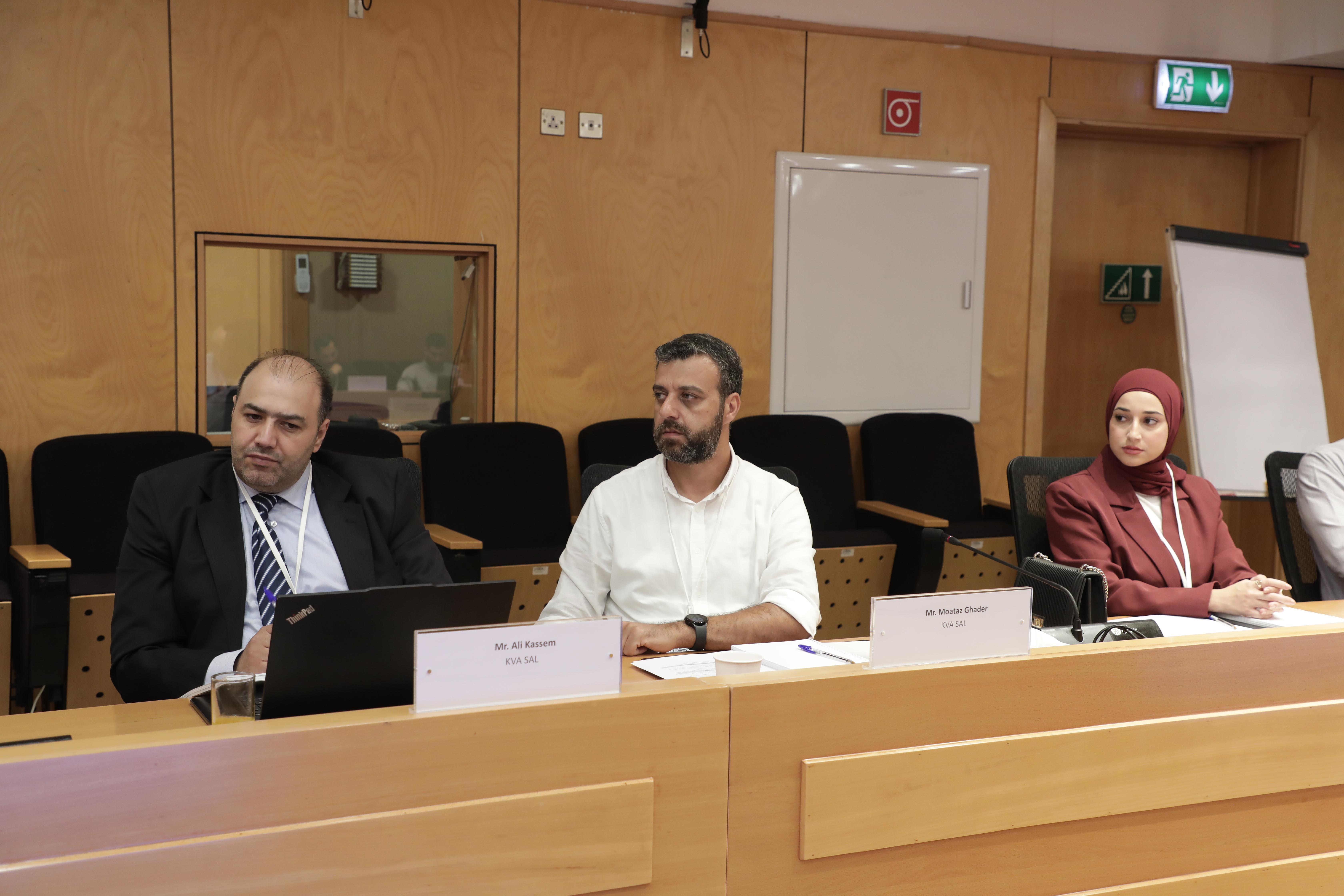
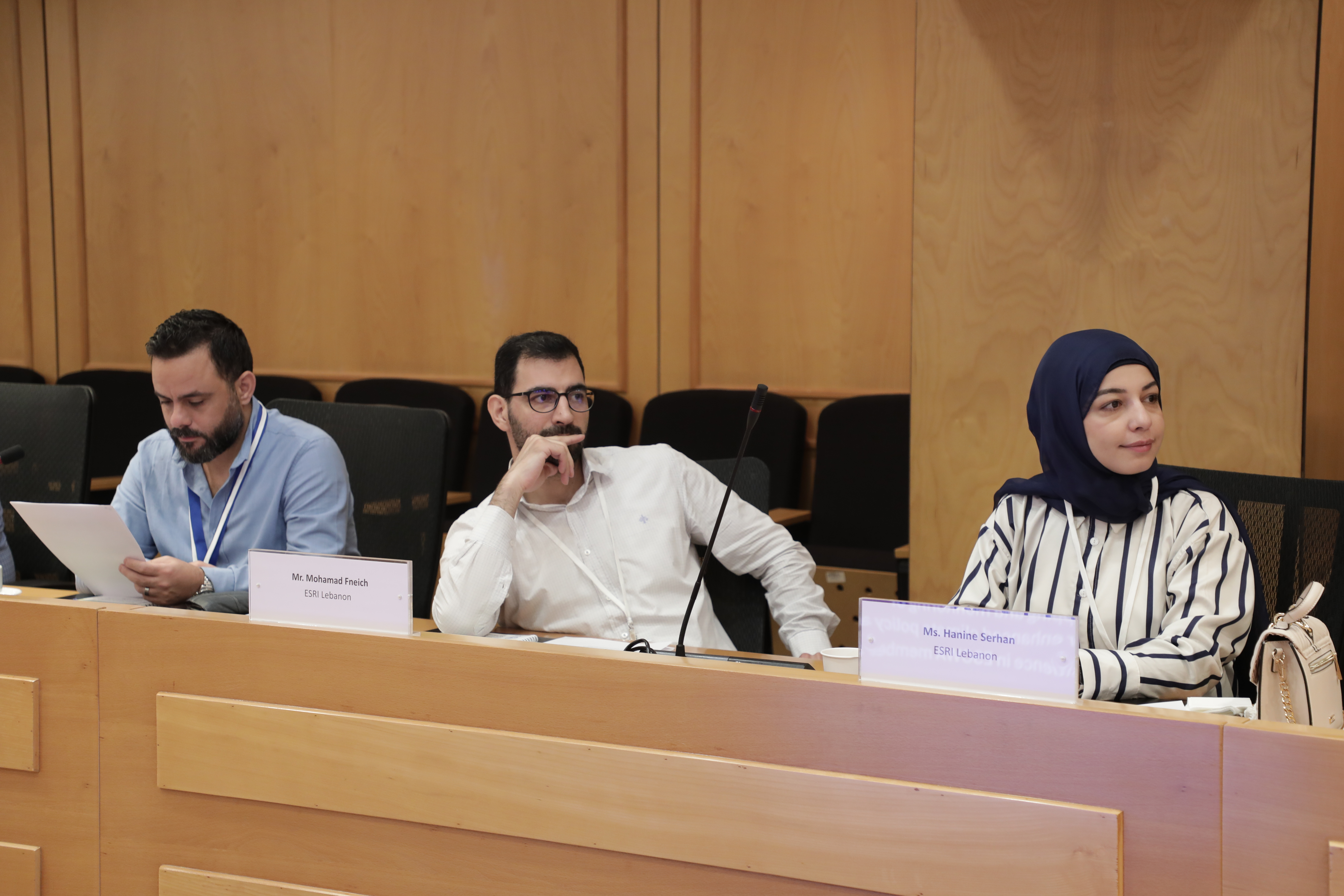
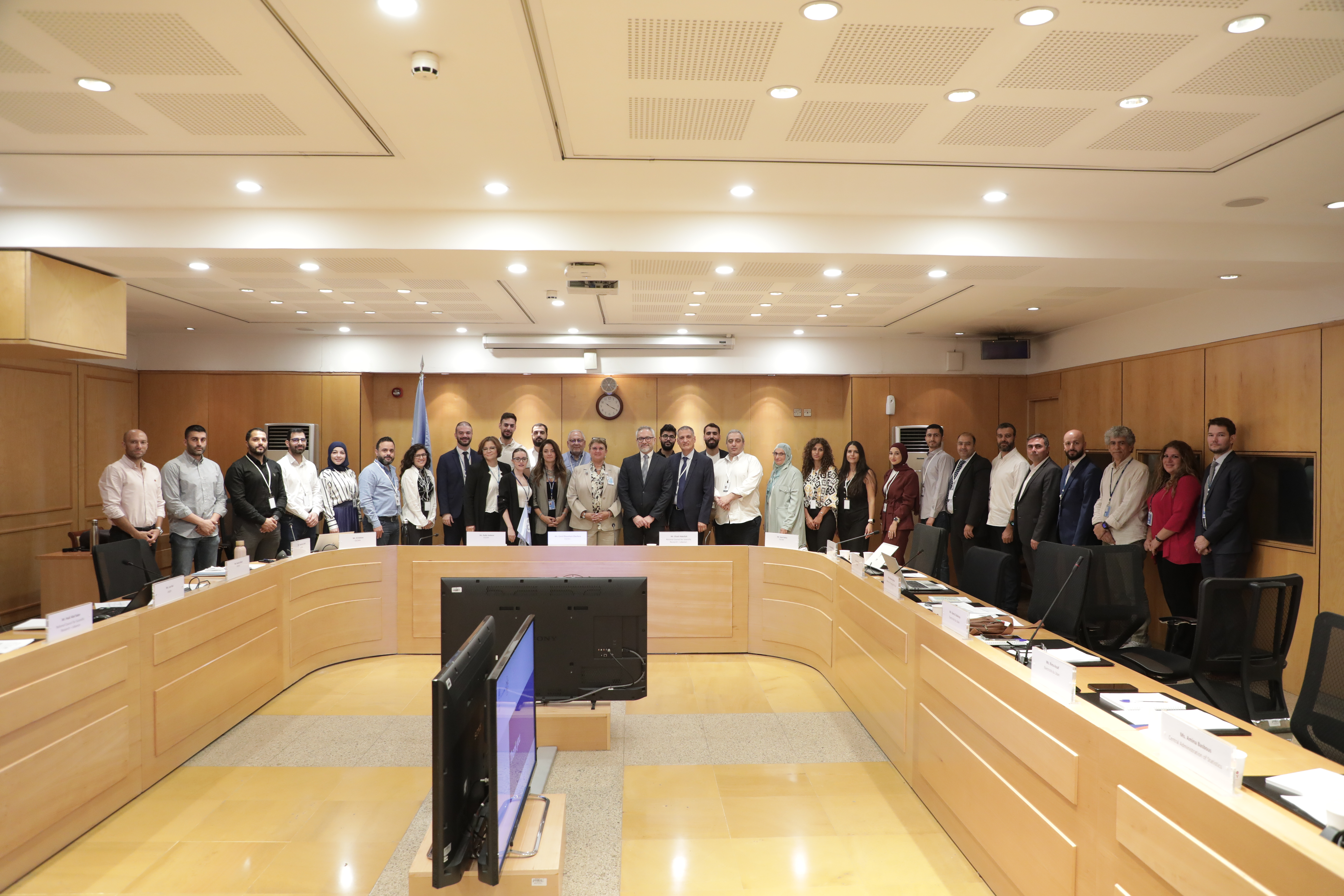
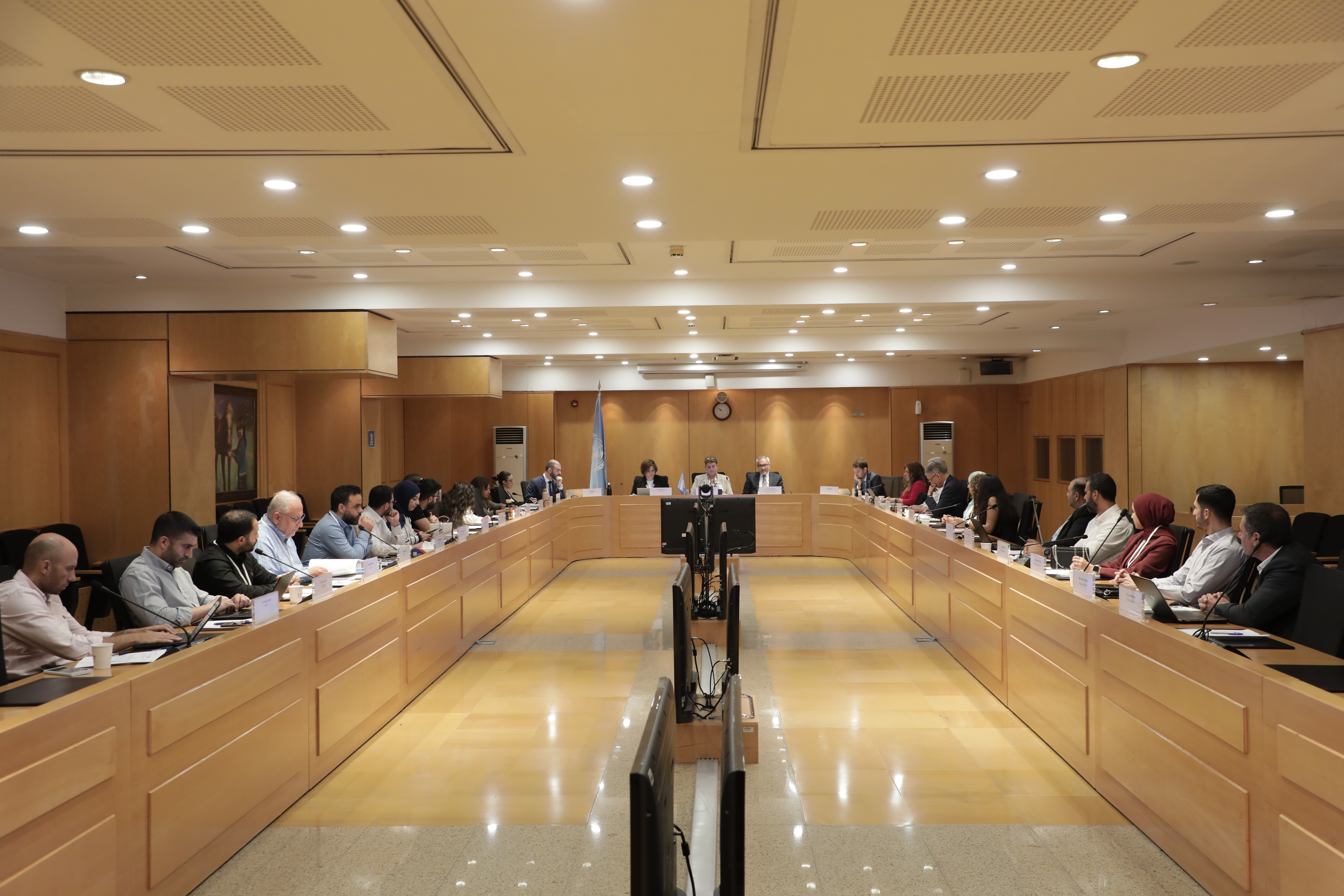
In this context and as part of a series of consultation meetings on mapping solar energy access in the Arab region, ESCWA is organizing a national consultation meeting with representatives from the Ministry of Energy and Water, the Ministry of Environment, the National Council for Scientific Research, and other relevant entities in Lebanon. The objectives of the meeting include informing representatives of the ESCWA project on "Improved mapping and monitoring of solar energy access for enhanced climate policy action and socio-economic resilience in ESCWA member States"; assessing current capabilities and availability of data in Lebanon; and identifying technical and policy gaps and challenges.

The meeting explores how various stakeholders in Lebanon can collaborate to optimize solar energy mapping, with the aim of identifying total installed capacity, enhancing power grid performance, and informing policies that expand access to solar energy.

Outcome document

  • The ESCWA–CNRS-L partnership agreement paves the way for collaboration on renewable energy mapping, AI, geospatial tools, risk reduction, and capacity-building to advance climate adaptation and energy policy.
  • ESCWA’s project seeks to strengthen solar energy policymaking by equipping policymakers with data generated through digital and geospatial tools, thereby fostering evidence-based policy development, and enhancing regional resilience through consultations, assessments, workshops, and interactive platforms.
  • Preliminary mapping efforts show that Lebanon’s solar PV sector is expanding rapidly with ~241,000–253,000 installed systems detected by 2024. However, legislative reforms, grid-integration strategies, reinforcement and coordination remain urgent needs.
  • Data and statistical systems are fragmented: public agencies face challenges with outdated GIS tools, inconsistent standards, weak inter-agency coordination, limited skilled staff, and brain drain; yet there is strong readiness to adopt geospatial solutions if resources and training are provided.
  • Centralized, standardized data governance is critical: empowering the Central Administration of Statistics (CAS) as a national data custodian, establishing a comprehensive energy balance under the Ministry of Energy and Water, and institutionalizing data-driven policymaking are necessary to unify energy statistics and policy planning.
  • Policy and regulatory reforms must accelerate: the operationalization of the Electricity Regulatory Authority (ERA), updating the electricity masterplan, enabling peer-to-peer and wheeling models with GIS integration, reinstating customs incentives for renewable energy, and scaling digital solutions (AMI, grid digitalization) to curb losses and enable a smarter energy transition.

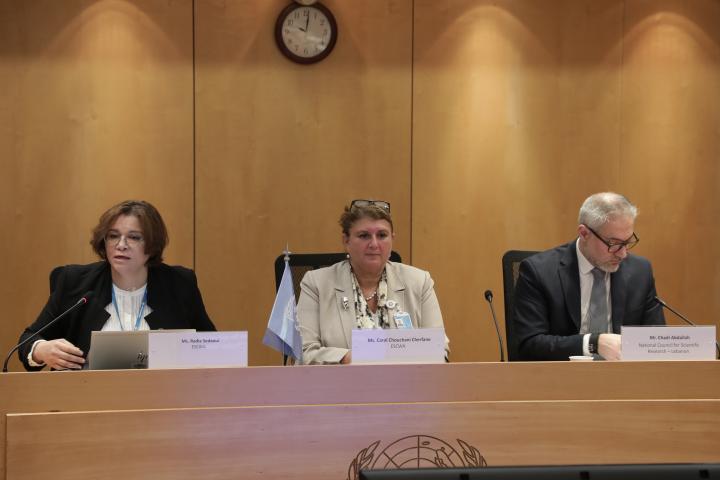
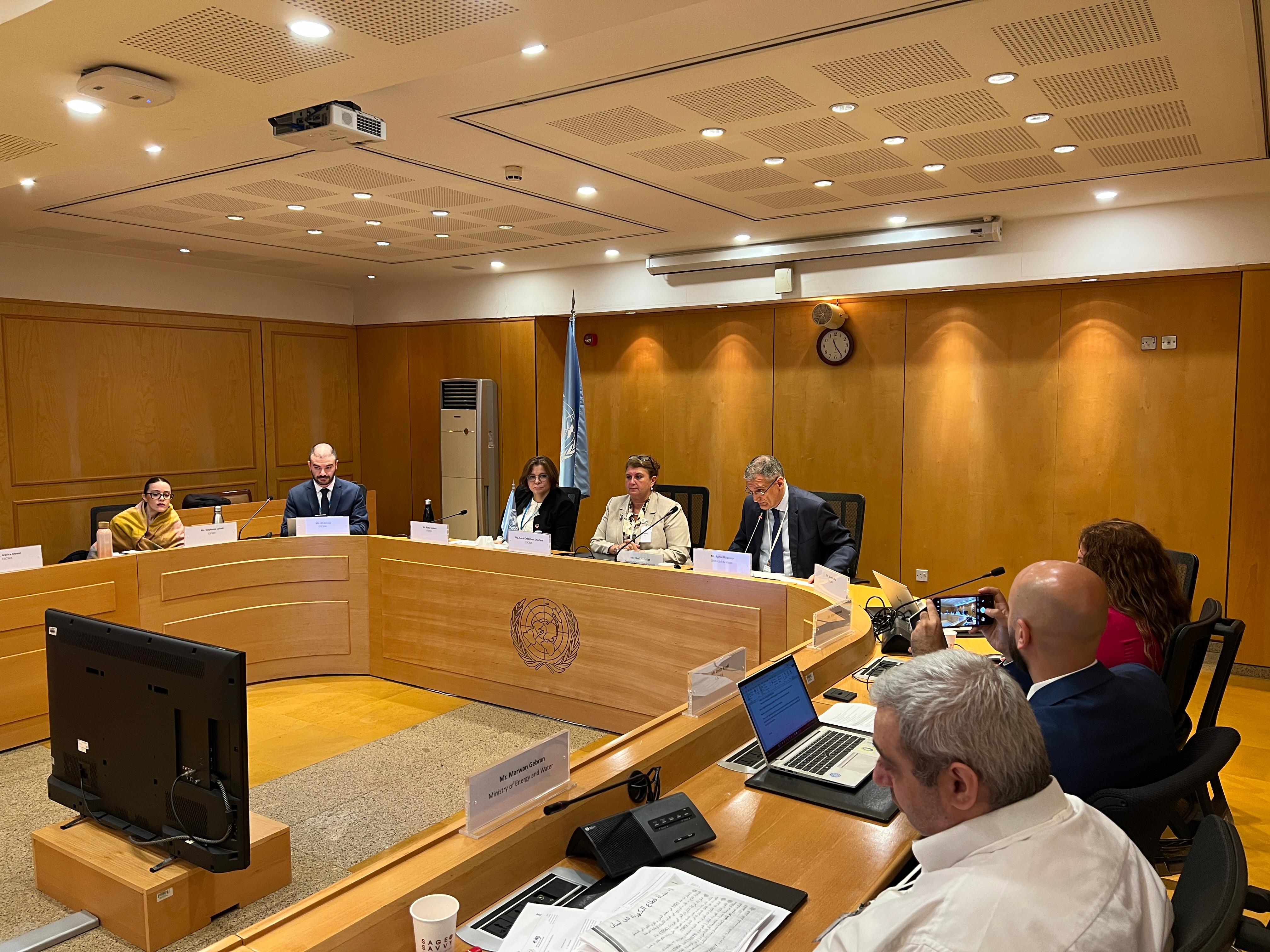
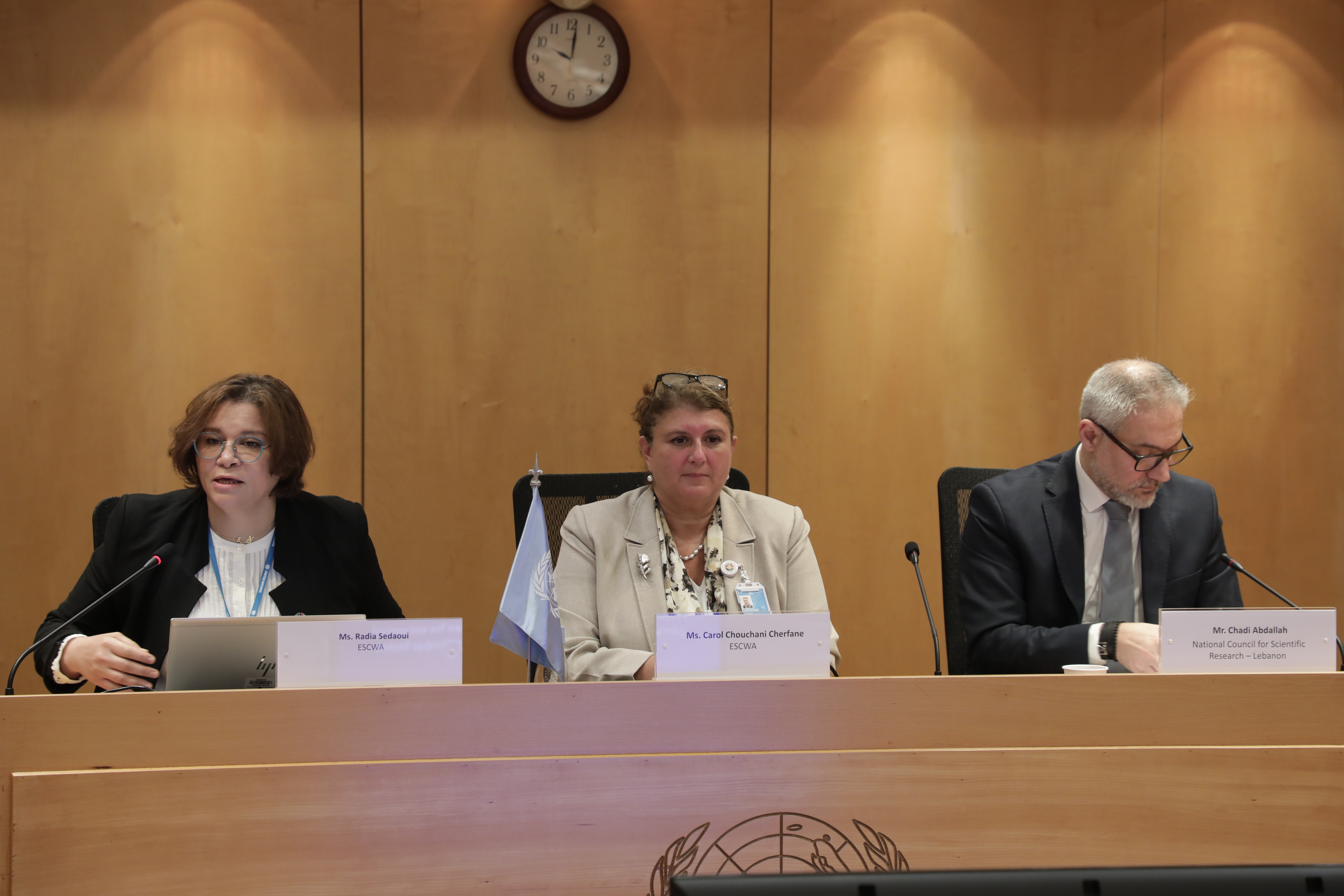
ESCWA started the meeting by welcoming the participants to the UN House, and explained the importance of this project on mapping solar energy access in the Arab region to strengthen renewable energy policymaking.

In its opening remarks, CNRS-L highlighted the long-standing collaboration with ESCWA and framed the project as a natural continuation of decades of joint work, stressing Lebanon’s abundant solar resources amid challenges of electricity shortages and high fuel costs. It emphasized the importance of reliable data, sustained collaboration, and continuously updated tools to enable better planning, effective policies, and meaningful climate action.

During this session, ESCWA presented the project titled "Improved Mapping and Monitoring of Solar Energy Access for Enhanced Climate Policy Action and Socioeconomic Resilience in ESCWA Member States", which aims to strengthen the capacity of policymakers and government officials to utilize digital and geospatial tools for solar energy planning, and addresses critical energy access challenges in the Arab region. Through national consultations, technical assessments, workshops, and the development of interactive platforms, the initiative seeks to support evidence-based policy development and enhance resilience in the Arab region.

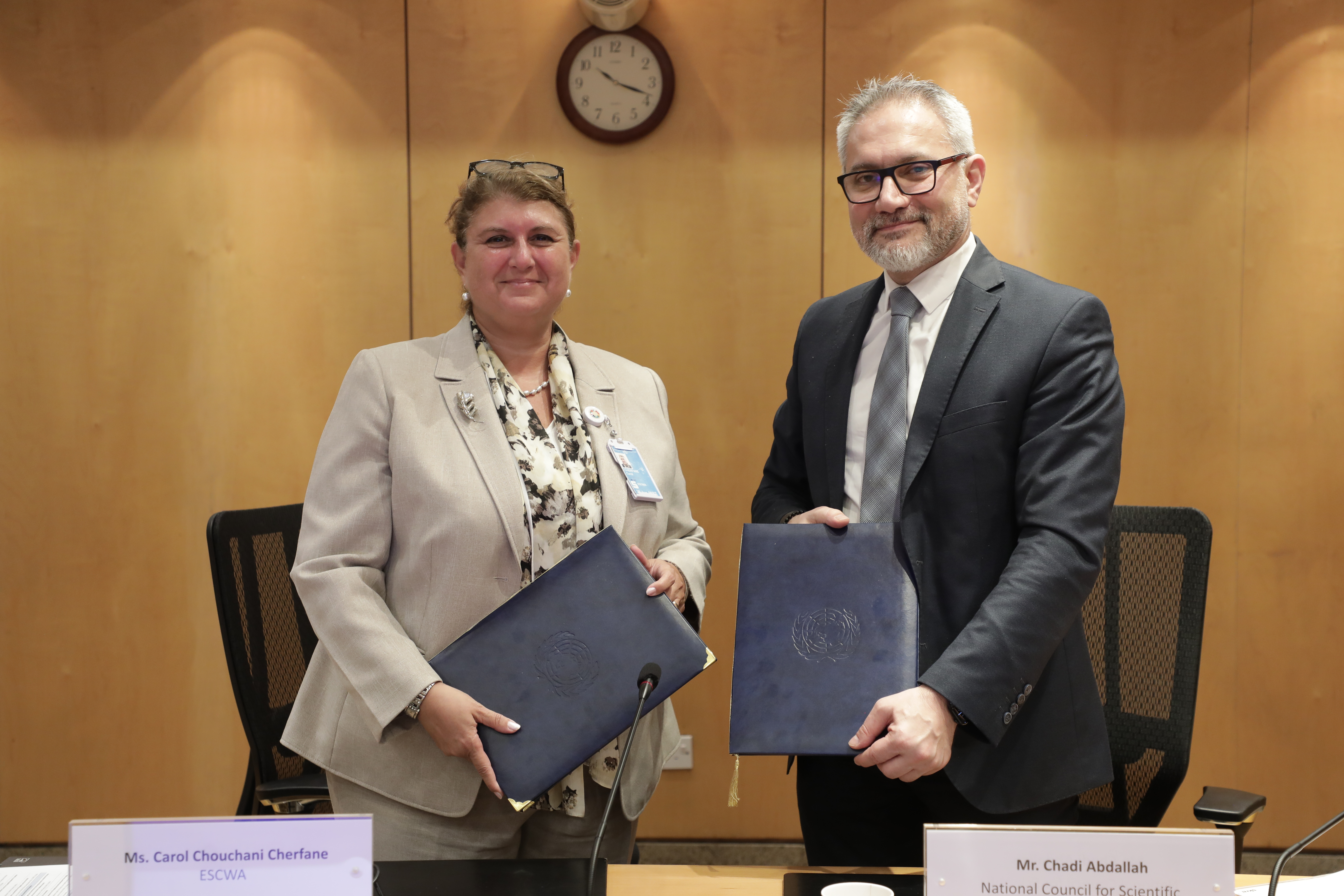
Then, a partnership agreement between ESCWA and CNRS-L was formally signed, to leverage renewable energy mapping, AI and geospatial tools, risk reduction systems, and data-driven capacity-building to support energy policy, resource management, climate adaptation, and regional cooperation.

Another presentation by ESCWA introduced a geospatial methodology for assessing solar energy potential in the Arab region to identify optimal locations for solar PV rooftops and farms.

This session started with a presentation by CNRS-L, which demonstrated their efforts to optimize the model that detects and segments solar PV installations across Lebanon using satellite and aerial imagery. It also presented the platform developed that hosts all the data and calculations related to the detected solar PV systems in Lebanon. The platform showcased the detection of ~253,000 solar PV systems installed in Lebanon as of 2023.

After that, a presentation by the Ministry of Energy and Water of Lebanon (MoEW) outlined the current status and reform efforts in Lebanon’s electricity sector, emphasizing legislative updates, institutional restructuring, and solar energy integration, with a focus on the most recent Law 318/2023 related to Distributed Renewable Energy.

Then, a presentation by Electricité du Liban (EDL) outlined the legal, technical, and strategic foundations for upscaling solar energy within the national grid. Key elements include grid code compliance, voltage-level integration strategies, and identification of high-potential zones such as the Bekaa Valley and South Lebanon, while emphasizing the need for grid reinforcement, public-private coordination, and institutional support.

Then, the Ministry of Environment/UNDP presented their work on the spatial and statistical analysis of solar PV systems in Lebanon from 2020 to 2023 and the evaluation of the 2024 war on installed systems. The study identified ~241,000 installed solar PV systems in Lebanon as of 2023.

Finally, the Central Administration of Statistics (CAS) outlined their role in supporting national energy strategies through reliable data, despite facing significant resource and technical limitations. It highlighted the fragmented nature of solar data across agencies, and challenges in GIS capabilities due to outdated software, incompatible coordinate systems, and limited access to satellite imagery.

This session began with a presentation by ESCWA on its survey on improved mapping and monitoring of solar energy access in the Arab Region. Preliminary findings reveal key challenges and opportunities in leveraging geospatial tools for solar energy planning. The survey highlights widespread issues such as limited public sector capacity in GIS or energy data management, gaps in policymaking or planning expertise, poor inter-agency coordination, lack of standardized data collection, budget constraints, limited GIS skills, and insufficient access to high-resolution imagery, among others. Despite these barriers, there is strong demand for support in GIS training, increased collaboration and joint initiatives between agencies, satellite mapping, live dashboards, with many institutions expressing readiness to adopt geospatial tools if provided with the necessary resources and capacity-building.

Afterwards, participants split into two working groups, Group 1 on GIS technical capacities, and Group 2 on statistical capacities. The main issues emanating from the discussions of Group 1’s included:

  • Lack of GIS-skilled staff at CAS, EDL, and the Distribution Service Providers (DSP) that can work on the latest GIS technologies including GeoAI applications.
  • Incompatibility between the latest GIS projection systems and the system provided by the Lebanese Armed Forces.
  • Lack of adequate equipment to run the latest GIS technologies including GeoAI applications and its associated difficulty in applying the skills acquired through training.
  • Slower processing of GIS-based studies linked to the lack of adequate equipment.
  • Lack of consistency and standardization in various training and capacity-building activities to optimize building upon this training for application and use.
  • The brain drain problem in public institutions, and recommendations to retain and train professional public employees.

Main issues resulting from the discussions of Group 2 included:

  • Classifying detected solar energy systems is also important, because system types have different demands.
  • On-grid systems are recorded by the Net-Metering Team at EDL, however, the platform requires an upgrade to be able to extract data from it.
  • A data sharing and reporting system may be put in place among institutions. Each institution can report data to be eventually centrally used by CAS. GIS software can consolidate data from several sources.
  • Communications is needed among all stakeholders, such as the ministry, EDL, and UN agencies.
  • Qualified surveyors are needed to ensure high-quality data and statistics database.

In this session, participants deliberated about policy challenges and gaps that hinder the ability of policymakers to track progress relative to national baselines and targets and implement informed policies based on high-quality data. Main resulting issues and recommendations include:

  • Lack of a centralized data infrastructure to host sectoral platforms and inform policymaking in the public sector.
  • The Ministry of Energy and Water should take responsibility for maintaining a comprehensive national energy balance.
  • The Central Administration of Statistics should be empowered to serve as the national data custodian, coordinating data collection from ministries and institutions and providing unified datasets back to them.
  • A Data reporting system should be put in place to identify the role and responsibilities of each stakeholder as well as the workflow and rules for energy data sharing and reporting.
  • Ministries often lack data-driven mechanisms for policymaking; while some best practices exist, stronger institutionalization and peer pressure are needed to normalize data use in decision-making.
  • Speed up the establishment of the ERA, including passing the necessary laws and regulations to enable it to function effectively.
  • Renewable energy plans and targets should be based on unified and agreed-upon numbers.
  • The electricity masterplan should be updated to reflect digitalization of the power grid and the integration of renewable energy.
  • Peer-to-peer and power wheeling regulations should mandate the use of GIS for mapping generation and consumption points.
  • Most innovative models (e.g., peer-to-peer and wheeling) require the grid to be energized to ensure viability.
  • Customs fee exemptions on renewable energy equipment should be reinstated to sustain and encourage investment in the sector.
  • Advanced Metering Infrastructure (AMI) systems and overall grid digitalization are essential for accurately detecting technical and non-technical losses and providing reliable data for policymaking.
  • Distribution Service Providers require strong political support to address and reduce non-technical losses.

Related news

arrow-up icon
Feedback